
Summary
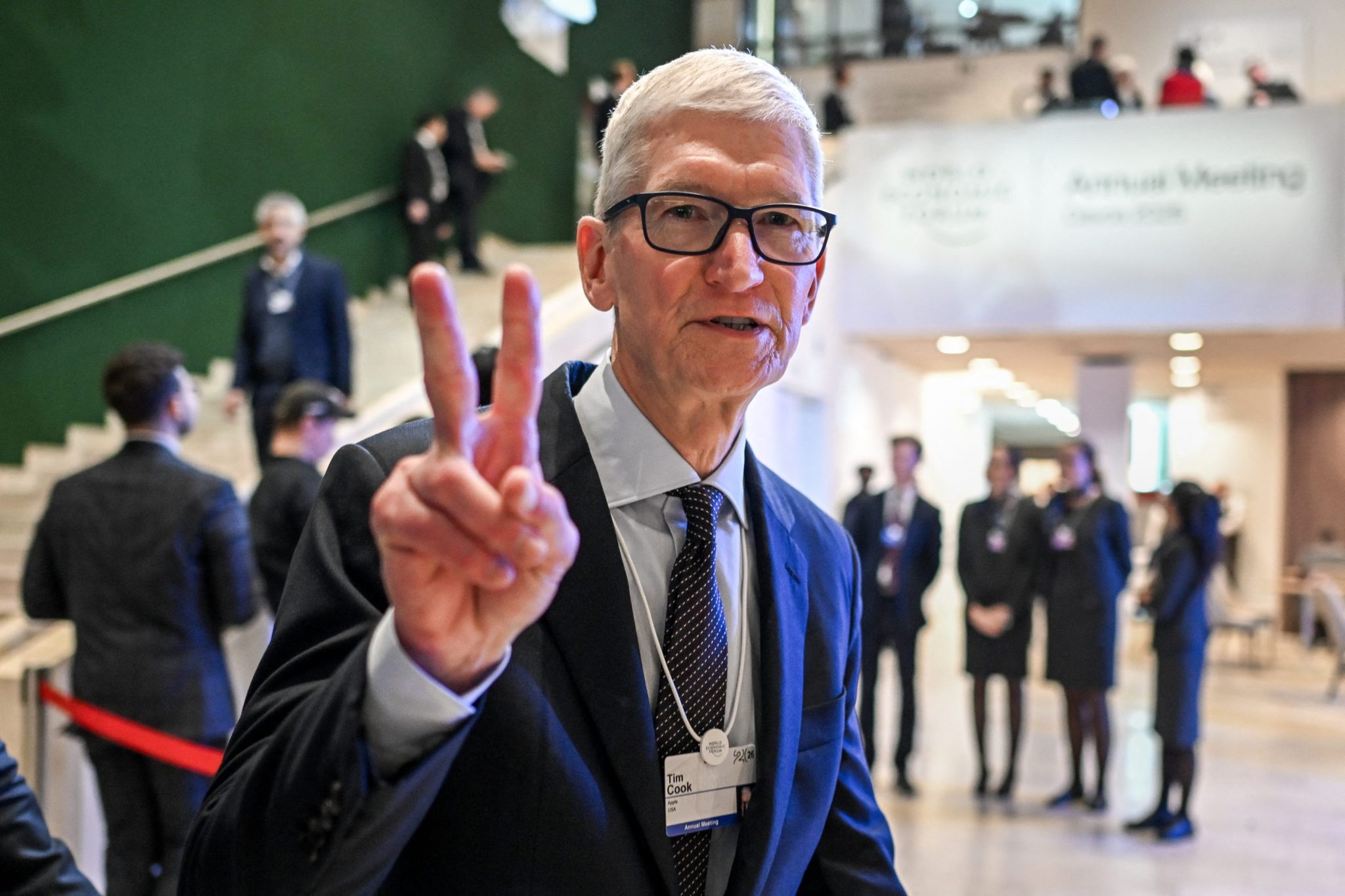
Apple CEO Tim Cook is stepping down from his role, marking the end of an era for the tech giant. He will be replaced by John Ternus, an engineer who has been a key leader at the company for years. This change is not happening in isolation, as several of the world’s largest companies are also seeing their long-time leaders depart in 2026. These transitions are driven by the rapid rise of artificial intelligence and a desire for fresh leadership to handle a fast-changing business world.
Main Impact
The departure of Tim Cook is a major moment for the global economy because of Apple’s massive size and influence. Under Cook’s leadership, Apple grew from a company worth $300 billion to one worth $4 trillion. However, his exit signals a broader shift in how big corporations are managed. Boards of directors are now looking for leaders who can commit to long-term changes, especially as technology moves faster than ever before. This "CEO reckoning" shows that even the most successful leaders feel the pressure to hand over the keys to a new generation that can keep up with the speed of modern innovation.
Key Details
What Happened
Apple officially announced that John Ternus will take over as the new CEO. This follows months of speculation about who would lead the company after Tim Cook. Cook, who is 65 years old, decided to step aside during a year that has seen record-breaking turnover in executive offices. Other major companies like Disney, Walmart, and Berkshire Hathaway have also replaced their top leaders recently. The trend suggests that the "old guard" of CEOs is making way for leaders who are more focused on the future of digital tools and automation.
Important Numbers and Facts
- Apple’s Growth: The company’s value rose from $300 billion in 2011 to $4 trillion in 2026 under Tim Cook.
- CEO Ages: Tim Cook is 65, while other departing leaders like Warren Buffett and Bob Iger are 95 and 75, respectively.
- Major Transitions: Along with Apple, companies like Adobe, Coca-Cola, Dow, and BP are all changing their top leadership this year.
- Internal Promotion: Most of these companies are choosing internal candidates, such as Chief Operating Officers (COOs), to take over rather than hiring from the outside.
Background and Context
To understand why this is happening now, we have to look at the state of technology. For the past decade, many companies focused on steady growth and keeping their current customers happy. But the sudden explosion of artificial intelligence (AI) has changed the rules. AI is not just a small update; it is a complete change in how businesses operate. Many current CEOs feel that they have finished their original goals and that a new person is needed to lead the next ten years of tech development.
In simple terms, these companies are going through a "transformation." This is different from a "turnaround." A turnaround happens when a company is failing and needs a stranger to come in and fix everything. A transformation happens when a company is doing well but needs to change its core technology to stay ahead. Because these companies are already successful, they are picking new leaders from within their own ranks. These new CEOs already know how the company works and can make changes without breaking the existing culture.
Public or Industry Reaction
Experts in leadership say that the current business environment is like a high-speed race. They argue that a CEO today needs to be like an athlete at the top of their game. If a leader stays too long, they might move too slowly, which could hurt the company’s reputation and stock price. Industry analysts have noted that while Tim Cook was a master of supply chains and operations, the new CEO, John Ternus, brings an engineering background that may help Apple catch up in the AI race. Investors generally seem positive about these changes, as they prefer a planned handoff over a sudden crisis.
What This Means Going Forward
The move to new leadership at Apple and other firms means we will likely see a faster rollout of new products and services. For Apple, the focus will almost certainly shift toward making AI a central part of every device they sell. For the wider business world, this wave of exits marks the end of the "superstar CEO" era where one person stayed in charge for decades. In the future, CEO roles might be shorter, with leaders staying for five to ten years to complete a specific goal before passing the job to someone else. This keeps the company fresh and prevents the leadership from becoming out of touch with new trends.
Final Take
Tim Cook’s exit is more than just a change at one company; it is a sign that the world of big business is moving into a new phase. As AI and other technologies move faster, the people at the top must be able to keep pace. By stepping down now, Cook protects his legacy as one of the most successful business leaders in history while giving Apple the chance to start its next chapter with a fresh perspective. The massive turnover across Corporate America suggests that 2026 will be remembered as the year the old way of doing business finally gave way to the new.
Frequently Asked Questions
Why is Tim Cook leaving Apple?
Tim Cook is 65 years old and has led Apple for 15 years. He is stepping down as part of a planned transition to allow a new leader to guide the company through the next era of technology, specifically focusing on artificial intelligence.
Who is the new CEO of Apple?
John Ternus is taking over as the CEO of Apple. He is an engineer who has been with the company for a long time and was previously a top executive in charge of hardware engineering.
What is driving so many CEOs to quit in 2026?
The main reason is the rapid development of artificial intelligence. Many leaders feel that the business world is changing so fast that it requires a new type of leader who can commit to a long-term tech transformation.



