Summary
TikTok has removed a large number of accounts that used artificial intelligence to create sexualized videos of Black women. This move came after a detailed investigation by the BBC revealed how these fake images were being used to promote adult content. The accounts used computer-generated avatars that looked like real people to attract followers and direct them to external websites. This situation highlights the growing problem of AI-generated media being used for exploitation on social media platforms.
Main Impact
The primary impact of this discovery is the realization of how easily AI can be used to create harmful and objectifying content. By using AI to generate hyper-realistic images of Black women, these account creators were able to bypass some traditional moderation tools for a time. This trend, often called "digital pimping," uses fake identities to sell access to explicit material. It not only violates platform rules but also reinforces harmful stereotypes and exploits the likeness of a specific demographic for profit.
Key Details
What Happened
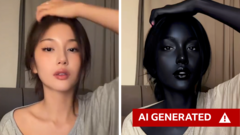
The BBC investigation found dozens of accounts across TikTok and Instagram that featured AI-generated women. These digital characters were programmed to move, dance, and pose in ways that were highly sexualized. While the women in the videos looked like real human beings, they were entirely created by software. Many of these accounts were designed to look like personal vlogs or modeling pages. However, their main goal was to lead users to "link in bio" pages, which often pointed toward paid adult subscription sites or scam websites.
Important Numbers and Facts
The investigation identified more than 50 accounts that were using these specific AI techniques. Some of these accounts had gained tens of thousands of followers in a very short amount of time. The videos often received millions of views because the AI models were designed to be visually striking and fit specific beauty standards. After the BBC presented its evidence to TikTok, the company took immediate action to ban the accounts for violating policies against sexual content and deceptive behavior.
Background and Context
Artificial intelligence has advanced rapidly over the last year. Tools that create videos from simple text prompts are now available to almost anyone. While these tools are great for filmmakers and artists, they are also being used by bad actors. In this case, the creators used AI to build "influencers" who do not exist. This allows them to create endless amounts of content without needing to hire real models or deal with the legal protections that real people have. This is part of a larger trend where AI is used to create "deepfakes" or fake personas that can mislead the public.
Public or Industry Reaction
Social media experts and civil rights groups have expressed deep concern over these findings. Many point out that Black women are often targeted in these types of AI experiments, which can lead to increased online harassment and the spread of harmful imagery. TikTok stated that they have strict rules against content that shows sexual acts or promotes adult services. They thanked the BBC for bringing the accounts to their attention and promised to improve their automated systems to catch these fake videos faster. Meta, the company that owns Instagram, has also been under pressure to address similar accounts on its own platform.
What This Means Going Forward
As AI technology continues to improve, it will become even harder for users to tell the difference between a real person and a computer-generated one. This means that social media companies will need to invest more in technology that can detect AI-generated faces and bodies. There is also a call for better laws to protect people from having their likenesses mimicked by AI. Users are being urged to be more cautious about the accounts they follow and to report any profiles that seem to be using fake, sexualized imagery to drive traffic to suspicious websites.
Final Take
The removal of these accounts is a positive step, but it shows that social media platforms are currently playing a game of catch-up with AI creators. The use of fake Black women to sell adult content is a modern version of an old problem, now powered by high-tech tools. Moving forward, the responsibility lies with tech giants to ensure their platforms do not become a place where AI is used to exploit or mislead the public. Constant monitoring and faster response times will be necessary to keep these digital fakes off the internet.
Frequently Asked Questions
What are AI avatars?
AI avatars are digital characters created using computer software. They can look and act like real humans but do not exist in the real world.
Why were these specific accounts removed?
The accounts were removed because they used sexualized content to trick users and violated rules against promoting adult services and using deceptive identities.
How can I tell if a video is made by AI?
Sometimes you can tell by looking for strange movements, blurry edges around the hair, or skin that looks too smooth. However, as AI gets better, it becomes much harder to spot these signs without special tools.