
Summary
The city of Thrissur is widely known for its grand cultural events, but the smaller festivals called Cheru Poorams are what truly keep the local spirit alive. These events feature beautifully decorated elephants and powerful traditional drum music that fills the air. While the main Thrissur Pooram gets the most global attention, these smaller neighborhood celebrations are essential for maintaining the region's deep-rooted traditions. They bring local communities together and provide a stage for talented artists and musicians to show their skills.
Main Impact
The Cheru Poorams act as the foundation for the cultural identity of Thrissur. Their primary impact is the preservation of ancient art forms that might otherwise be lost in the modern world. By holding these smaller events, the community ensures that the skills of elephant handling, traditional music, and craft-making are passed down to younger generations. These festivals also boost the local economy by supporting artisans who create the ornaments for the elephants and the instruments used by the performers.
Key Details
What Happened
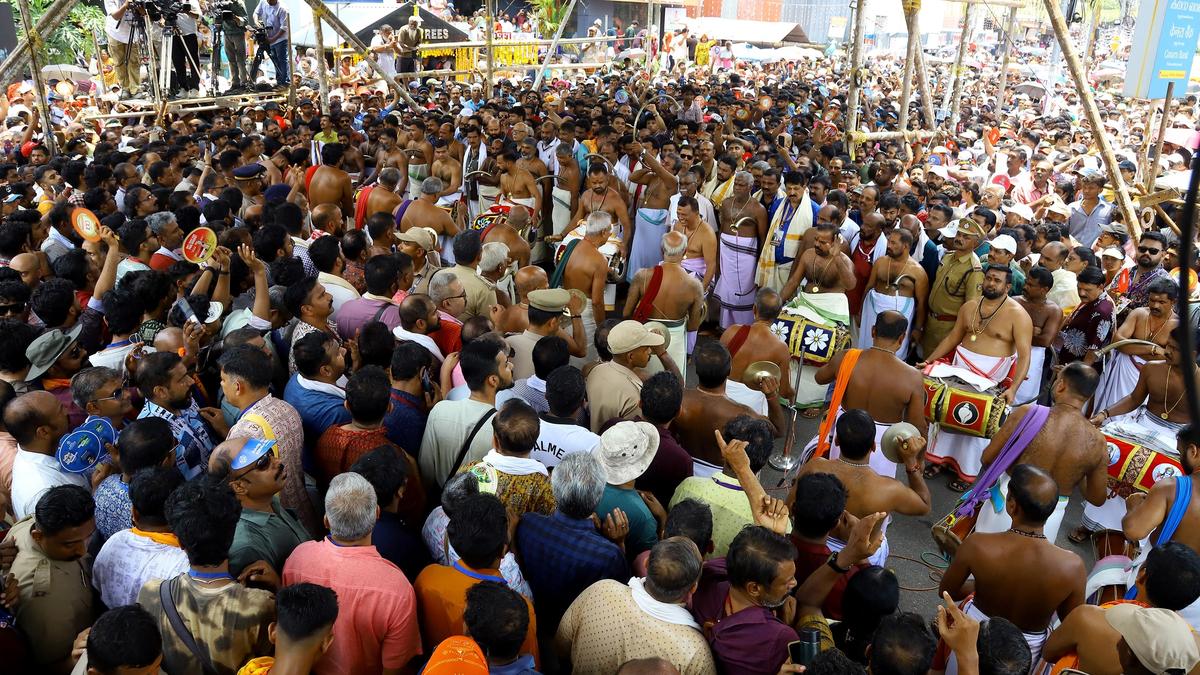
During the festive season, several local temples organized their own processions to march toward the famous Vadakkunnathan Temple. Each group brought a set of elephants adorned with gold-colored forehead plates known as Nettipattam. Large crowds gathered to watch the musicians play the Chenda, a traditional Kerala drum, in a rhythmic performance called Melam. The energy of the crowd and the synchronized movements of the performers turned the temple grounds into a vibrant display of local heritage.
Important Numbers and Facts
There are eight main temples that participate as Cheru Poorams in the larger Thrissur Pooram festival. These include temples from areas like Kanimangalam, Karamucku, Laloor, Choorakkottukavu, Panamukkumpally, Ayyanthole, Chembukkavu, and Neythilakkavu. Each of these temples follows a strict schedule and a specific path to reach the city center. Hundreds of musicians participate in each procession, and the events often last for several hours, starting early in the morning and continuing under the hot sun.
Background and Context
The tradition of the Pooram was started over 200 years ago by Sakthan Thampuran, the ruler of the Kingdom of Cochin. Before this, local temples were often excluded from larger festivals in nearby areas. The ruler decided to create a massive celebration in Thrissur where all the local temples could participate together. This led to the birth of the "Big Pooram" and the smaller "Cheru Poorams." The goal was to make the festival a community event rather than just a religious one. Today, it is a symbol of unity where people of all backgrounds come to watch the spectacle.
Public or Industry Reaction
Local residents express a deep sense of pride in their specific "Desam" or neighborhood group. For many, the Cheru Pooram of their own village is more important than the main event. Art critics and cultural experts often praise these smaller processions for their focus on the quality of the music. Unlike the main event, which can be very crowded, the Cheru Poorams allow fans of traditional music to stand closer to the performers and appreciate the complex rhythms of the drums. However, there is also ongoing discussion among animal rights groups and temple boards about the best ways to care for the elephants during these loud and crowded events.
What This Means Going Forward
As Thrissur grows and changes, the organizers of these festivals face new challenges. There are stricter safety rules regarding the distance between the public and the elephants. There are also new environmental laws about noise levels and waste management. Moving forward, the success of the Cheru Poorams will depend on how well the community can follow these modern safety rules while keeping the traditional feel of the event. The use of technology, such as live streaming, is also helping these small local festivals reach a global audience, ensuring that the tradition stays famous even outside of Kerala.
Final Take
The Cheru Poorams prove that the heart of a culture is often found in its smaller, local celebrations. While the big events grab the headlines, these neighborhood processions are what keep the history and art of Thrissur breathing every year. They are a reminder that tradition is not just about looking at the past, but about a community coming together to celebrate its present identity.
Frequently Asked Questions
What is a Cheru Pooram?
A Cheru Pooram is a smaller temple festival in Thrissur, Kerala. These festivals involve processions with elephants and traditional music, and they serve as part of the larger Thrissur Pooram celebration.
How many temples participate in the Cheru Poorams?
There are eight main constituent temples that lead their own Cheru Poorams toward the central Vadakkunnathan Temple during the festival season.
What kind of music is played during these festivals?
The most common music is called Melam, which is performed using traditional instruments like the Chenda (drum), Elathalam (cymbals), and various types of horns and pipes.



