
Summary
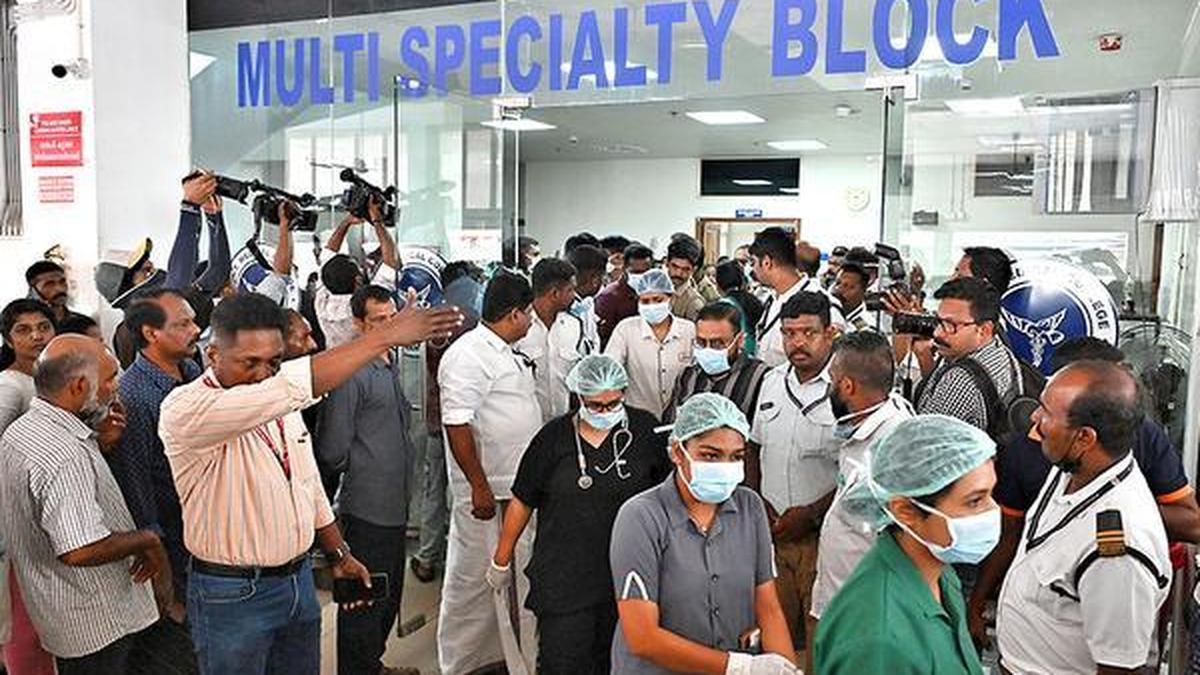
The Thiruvananthapuram Medical College Hospital (MCH) is preparing to reopen its main Intensive Care Units (ICUs) next week. This decision comes exactly one month after a fire incident forced the hospital to shut down these vital areas. Since the fire occurred on March 17, the hospital has relied on temporary setups to provide care for patients recovering from major surgeries. The return to the original ICUs is expected to bring relief to both medical staff and patients who have faced limited space and resources over the last few weeks.
Main Impact
The reopening of the ICUs will have a significant impact on the hospital's ability to handle complex medical cases. For the past month, the lack of permanent ICU beds has created a bottleneck for surgical departments. Many non-emergency surgeries had to be rescheduled or delayed because there were not enough high-care beds available for recovery. By bringing the original units back into service, the hospital can once again operate at its full capacity, ensuring that emergency patients and those undergoing planned operations receive the best possible monitoring and support.
Key Details
What Happened
On March 17, a fire broke out in a section of the hospital’s ICU wing. While the fire was controlled quickly and no patients were harmed, the smoke and potential damage to electrical systems made the area unsafe for immediate use. Hospital authorities acted fast to move patients to other wards and set up temporary ICUs in different parts of the building. These temporary units were necessary to keep the hospital running, but they were never meant to be a long-term solution. Over the last four weeks, technical teams have been working to repair the damage, clean the facilities, and ensure that all medical equipment is functioning correctly.
Important Numbers and Facts
The fire incident happened on March 17, leading to a full month of restricted operations in the critical care department. Thiruvananthapuram MCH is one of the busiest government hospitals in the region, often treating hundreds of emergency cases every week. During the closure, the hospital had to manage with a reduced number of ICU beds, which put extra pressure on the nursing and doctor teams. The reopening scheduled for next week follows a series of safety inspections by the fire department and electrical engineers to prevent a repeat of the incident.
Background and Context
Medical College Hospitals in Kerala serve as the backbone of the public healthcare system. The Thiruvananthapuram MCH, in particular, is a primary center for people from several districts who cannot afford private healthcare. ICUs are the most critical part of such a hospital because they house life-saving machines like ventilators and heart monitors. When an ICU is closed, it does not just affect the people inside it; it affects the entire hospital's workflow. Doctors cannot perform high-risk surgeries if they do not have a safe, sterile, and well-equipped place to put the patient after the operation. This is why the fire on March 17 was such a major concern for the local health department.
Public or Industry Reaction
The public reaction has been a mix of concern and relief. Families of patients who were scheduled for surgery expressed worry over the delays caused by the fire. Many people rely on this government facility for free or low-cost treatment, and any disruption in service causes a direct financial and emotional burden on them. Health officials and hospital administrators have been working under high pressure to finish the repairs. Staff members have noted that while the temporary ICUs were helpful, they lacked the specialized layout and ease of access that the permanent units provide. The news of the reopening has been welcomed by the medical community as a necessary step to restore the quality of care.
What This Means Going Forward
Moving forward, the hospital is expected to implement much stricter safety protocols. The fire served as a wake-up call regarding the maintenance of aging hospital infrastructure. There will likely be more frequent checks of oxygen pipelines, air conditioning units, and electrical wiring, which are often the sources of fires in medical settings. Additionally, the hospital will need to work through a backlog of surgeries that were postponed during the last month. This means the staff will likely face a very busy period as they try to catch up with the demand for surgical care. The government may also look into upgrading the fire safety systems across other wings of the hospital to ensure such an event does not happen again.
Final Take
The return of the ICUs at Thiruvananthapuram Medical College Hospital marks the end of a difficult month for the institution. It shows the resilience of the public healthcare system in managing a crisis without stopping patient care entirely. While the temporary measures worked to save lives, the reopening of the permanent units is the only way to ensure the hospital meets the high standards required for critical care. This move will restore confidence in the facility and allow the medical teams to focus on their primary goal of saving lives in a safe environment.
Frequently Asked Questions
Why were the ICUs closed for a month?
The ICUs were closed following a fire incident on March 17. The closure was necessary to repair damage, clear out smoke residue, and conduct safety checks on electrical and medical equipment.
How did the hospital manage patients during the closure?
The hospital set up temporary ICUs in other wards to accommodate patients who needed intensive care, especially those recovering from surgeries. However, these units had fewer beds than the original ICUs.
When will the ICUs be fully operational?
The hospital administration has announced that the main ICUs are scheduled to reopen and be fully operational starting next week, following final safety clearances.



