
Summary
The Mumbai Metropolitan Region Development Authority (MMRDA) has officially started the process of acquiring land for the "Third Mumbai" project. This massive urban plan aims to build a completely new city to help reduce the heavy crowds in Mumbai and Navi Mumbai. Government officials are now meeting with local villagers to discuss the project and ask for their formal consent to use their land. This step is a major move toward creating a modern urban center connected by the new Atal Setu sea bridge.
Main Impact
The start of land acquisition marks a turning point for the region's growth. By building Third Mumbai, the government wants to create a new economic center that offers better housing, more jobs, and modern transport. The biggest impact will be on the local economy and the way people travel. This project relies heavily on the Atal Setu, also known as the Mumbai Trans Harbour Link (MTHL). This bridge makes it possible for people to live in the new city and reach South Mumbai in a very short time. It turns once-remote villages into prime real estate for developers and businesses.
Key Details
What Happened
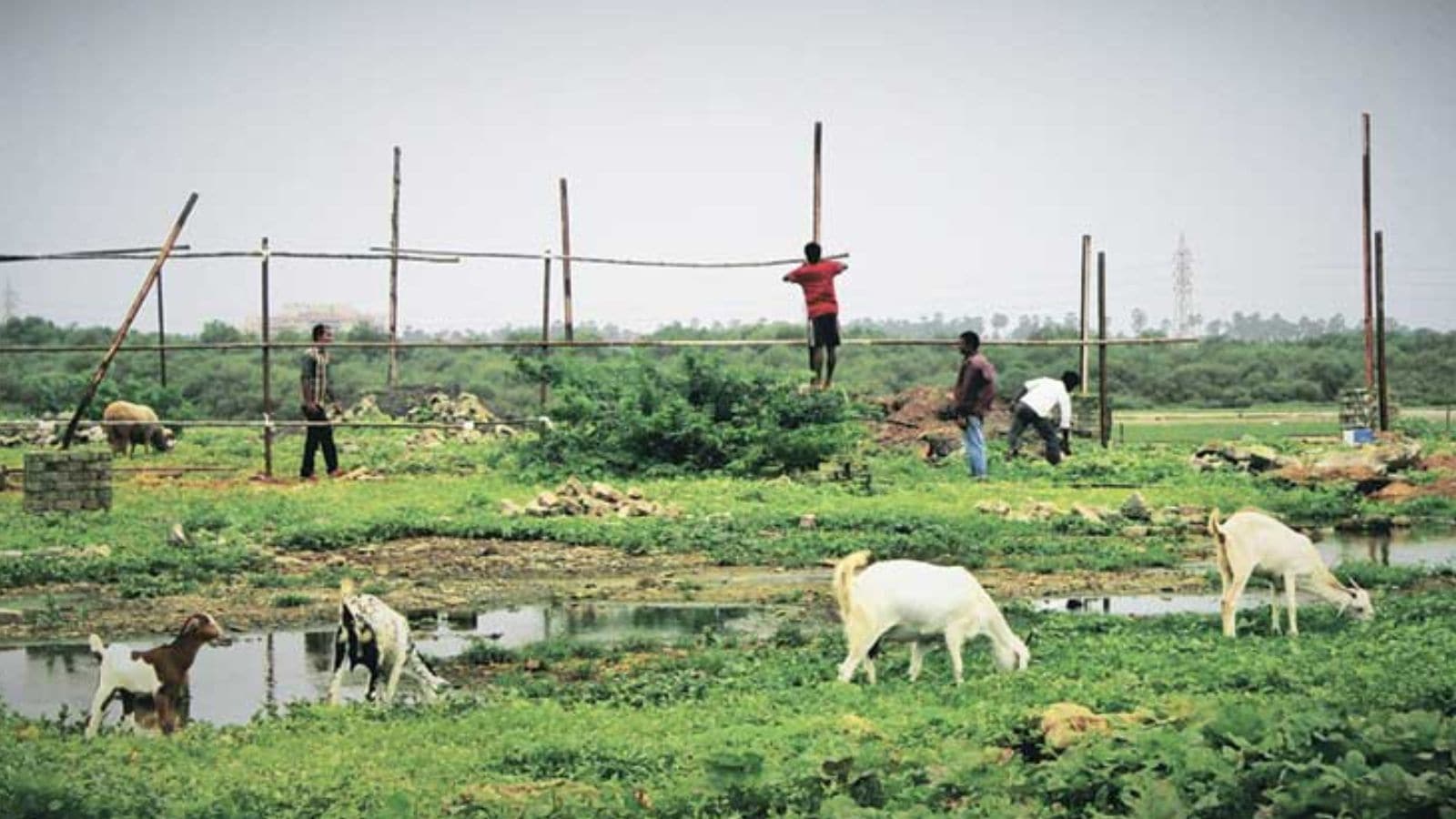
The MMRDA has begun the difficult task of talking to landowners in several villages. These villages are located in areas like Panvel, Uran, and Pen. The government needs a large amount of land to build the roads, parks, offices, and homes planned for Third Mumbai. Instead of just taking the land, the authorities are trying to work with the villagers. They are explaining the benefits of the project and offering different ways for owners to be compensated. This includes direct payments or a system where owners get back a smaller piece of developed land that is worth more money in the future.
Important Numbers and Facts
The Third Mumbai project covers a huge area, expected to be over 300 square kilometers. It will include around 120 to 200 villages. The plan focuses on creating a "smart city" that uses technology to manage traffic, water, and electricity. The new city is also close to the upcoming Navi Mumbai International Airport. This location is strategic because it connects the sea bridge, the new airport, and the existing railway lines. The government expects the project to house millions of people over the next two decades, providing a much-needed alternative to the high costs of living in the main city.
Background and Context
Mumbai has been struggling with a lack of space for many years. The city is surrounded by water on three sides, which makes it hard to grow. Navi Mumbai was built decades ago to solve this problem, but even that area is now becoming very crowded and expensive. With the completion of the Atal Setu bridge, a large area of land on the mainland has suddenly become easy to reach. The government decided to use this opportunity to plan a third major city center. This is not just about building houses; it is about creating a planned environment where people can work and live without the extreme congestion seen in older parts of the region.
Public or Industry Reaction
The reaction to the project is mixed. Real estate developers and business leaders are very excited. They see Third Mumbai as a great place for new offices, factories, and luxury housing. They believe it will bring billions of dollars in investment to Maharashtra. However, the local villagers have some concerns. Many of them are farmers or fishermen who have lived on this land for generations. They are worried about losing their way of life. Some groups are asking for higher payment rates and a guarantee that local people will get the new jobs created by the project. The MMRDA is holding regular meetings to listen to these worries and reach an agreement that works for everyone.
What This Means Going Forward
The next few months will be critical for the project. If the MMRDA can get the consent of the villagers quickly, the construction of basic infrastructure like roads and water pipes can begin. If there are many legal battles or protests, the project could face delays. In the long run, Third Mumbai is expected to become a hub for data centers, financial services, and logistics companies. It will likely change the property market in the entire Mumbai region, potentially making housing more affordable by increasing the supply of available homes. The government will also need to ensure that the environment is protected, as the area has many mangroves and sensitive coastal zones.
Final Take
The start of land acquisition for Third Mumbai is a bold step toward solving the housing crisis in India's financial capital. While the project promises a modern and organized future, its success depends on how well the government treats the people currently living on the land. If done correctly, this new city could become a model for urban development across the country, proving that big cities can grow in a planned and sustainable way.
Frequently Asked Questions
What exactly is Third Mumbai?
Third Mumbai is a planned city project on the mainland across from the main Mumbai island. it is being developed to provide more space for housing and business, connected to the city by the Atal Setu bridge.
Which areas are included in the project?
The project mainly covers parts of Panvel, Uran, and Pen. These areas are near the new Navi Mumbai International Airport and the eastern end of the Mumbai Trans Harbour Link.
How will landowners be paid for their land?
The government is offering different options, including direct cash payments or land pooling. In land pooling, owners give up their raw land and receive a smaller, fully developed plot in the new city that has a higher market value.



