
Summary
The Mumbai Metropolitan Region Development Authority (MMRDA) is moving forward with a massive plan to build a new city known as "Third Mumbai." This project aims to turn the agency into the largest landowner in Asia, giving it significant control over the region's growth. By focusing on huge infrastructure projects like the new metro lines and the Atal Setu bridge, the government hopes to create a modern hub that will ease the pressure on the existing city. This development is expected to change how millions of people live, work, and travel in the coming years.
Main Impact
The creation of Third Mumbai will have a deep effect on the economy and the way the region functions. By developing thousands of hectares of land near the new Navi Mumbai International Airport, the MMRDA is setting the stage for a new business and residential center. This move is designed to pull people and businesses away from the overcrowded parts of South Mumbai and the suburbs. The main goal is to provide better housing, more jobs, and faster travel times, which could make the entire Mumbai region more competitive on a global scale.
Key Details
What Happened
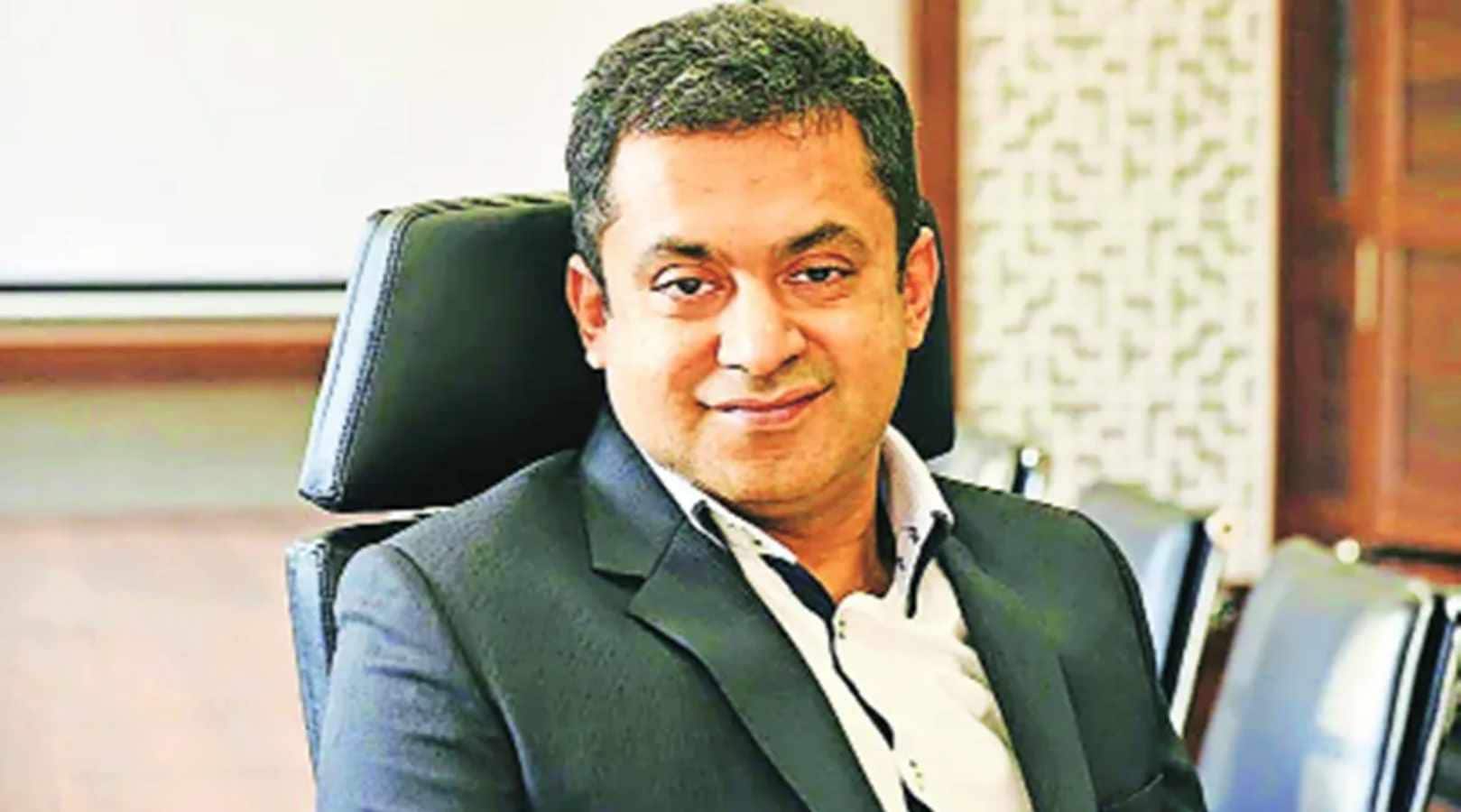
The head of the MMRDA, Sanjay Mukherjee, recently shared the agency's vision for the future of the city. He explained that the agency is no longer just building roads and bridges but is now a major land developer. The "Third Mumbai" project is being built around the Navi Mumbai International Airport and the Mumbai Trans Harbour Link (MTHL). This new city will be a planned urban area with smart technology, green spaces, and efficient transport systems. The MMRDA has been named the New Town Development Authority (NTDA) for this area, which allows them to plan and manage the land directly.
Important Numbers and Facts
The scale of this project is very large. The MMRDA is working on a metro rail network that will eventually cover 337 kilometers. Currently, several lines are under construction to connect different parts of the region. The Third Mumbai area itself covers hundreds of square kilometers, and the agency expects to manage over 3,000 to 4,000 hectares of land as the project grows. The Atal Setu bridge, which is 21.8 kilometers long, serves as the main physical link between the old city and this new development. These projects involve billions of dollars in investment from both the government and private partners.
Background and Context
Mumbai has faced a space crisis for many decades. Because the city is on an island, it can only grow in certain directions. This has led to extremely high property prices and very crowded public transport. In the 1970s, Navi Mumbai was created to help solve this problem, but even that area is now becoming full. Third Mumbai is the next logical step in this expansion. The opening of the new airport in Navi Mumbai is the main reason this project is happening now. A major airport needs a well-planned city around it to handle the millions of passengers and workers who will use it every year.
Public or Industry Reaction
The real estate industry has shown a lot of interest in this plan. Developers are looking for new areas to build offices and apartment buildings where land is still available. Many experts believe that property values in the surrounding areas will rise as the infrastructure improves. However, some residents and environmental groups have expressed concerns. They want to make sure that the new city does not destroy local forests or wetlands. There is also a call for the government to ensure that the new housing remains affordable for middle-class families, not just the wealthy.
What This Means Going Forward
In the next few years, we will see a massive amount of construction in the region. The completion of the metro lines will be the first major milestone. Once the new airport starts operating, the demand for space in Third Mumbai will likely skyrocket. The MMRDA will need to manage this growth carefully to avoid the traffic and pollution problems that affect the current city. If successful, this project will create a "polycentric" region, meaning there will be multiple centers of business instead of just one. This would make the city more efficient and improve the quality of life for everyone living there.
Final Take
The plan to build Third Mumbai and expand the metro system is a bold move that marks a new chapter for the region. By becoming a major landowner, the MMRDA is taking a direct role in shaping the future. While the challenges of such a large project are many, the potential benefits for the economy and the people are even greater. This is not just about building more buildings; it is about rethinking how a modern city should function in the 21st century.
Frequently Asked Questions
What exactly is Third Mumbai?
Third Mumbai is a newly planned city located near the Navi Mumbai International Airport. It is designed to be a modern urban hub with advanced infrastructure, connected to the main city by the Atal Setu bridge and new metro lines.
Why does the MMRDA want to be a large landowner?
By owning and managing large amounts of land, the MMRDA can control how the city is developed. This allows them to plan where houses, offices, and parks go, and use the money from land sales to pay for more public transport and roads.
How will this project help the average commuter?
The project includes a 337-kilometer metro network and better road connections. This should reduce travel times between different parts of the Mumbai Metropolitan Region and make public transport less crowded and more reliable.



