
Summary
On April 26, 1986, a routine safety test at the Chornobyl Nuclear Power Plant in Ukraine went horribly wrong. The accident caused a massive explosion and a fire that burned for ten days, releasing large amounts of radioactive material into the air. This event is still considered the worst nuclear disaster in history. It forced thousands of people to leave their homes and changed the way the world thinks about nuclear energy and safety rules.
Main Impact
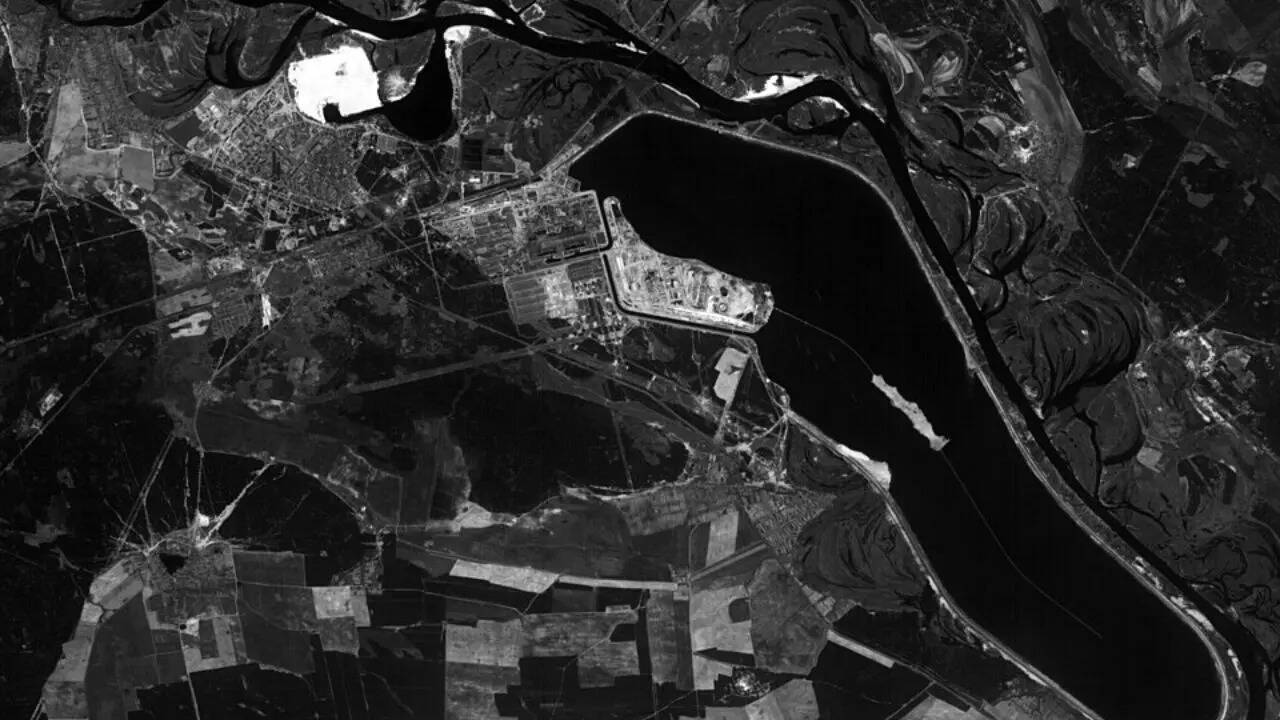
The disaster had a huge effect on both people and the environment. Immediately after the explosion, radioactive clouds spread across the Soviet Union and moved over parts of Europe. This caused a massive health crisis, as many people were exposed to dangerous levels of radiation. The most direct impact was the creation of an "Exclusion Zone," a large area around the plant where people are still not allowed to live. Over 100,000 people had to move away from their towns and villages, leaving everything behind.
Key Details
What Happened
The accident happened during a late-night safety test on Reactor 4. The goal was to see if the cooling pumps would still work if the power went out. To perform the test, workers turned off several safety systems. However, the reactor became unstable. A sudden power surge caused a massive steam explosion that blew the heavy roof off the reactor building. A second explosion followed shortly after, throwing pieces of burning radioactive material into the air and starting fires on the roofs of nearby buildings.
The fire was extremely hard to put out because the radioactive core was exposed. Firefighters and plant workers tried to stop the flames without knowing how high the radiation levels were. Many of these brave people became very sick or died shortly after the event. It took several days and many helicopter flights dropping sand and lead to finally stop the fire and cover the reactor.
Important Numbers and Facts
The scale of the Chornobyl disaster is shown through these key figures:
- 31 Deaths: This is the official number of people who died immediately or shortly after the explosion due to injuries or radiation sickness.
- 350,000 People: The total number of residents who were eventually moved out of the contaminated areas in Ukraine, Belarus, and Russia.
- 600,000 Liquidators: This is the estimated number of workers, soldiers, and volunteers who helped clean up the site and build a cover over the reactor.
- 1,000 Square Miles: The size of the Exclusion Zone where human living is still restricted today.
- 10 Days: The amount of time the reactor burned, releasing radiation into the atmosphere.
Background and Context
In the 1980s, the Soviet Union used a specific type of nuclear reactor called the RBMK. These reactors were designed to be cheap and produce a lot of electricity. However, they had a serious flaw. If the power level got too low, the reactor could become very hard to control. On the night of the accident, the operators were under pressure to finish the test quickly. This led them to make mistakes and ignore safety warnings. The combination of a risky design and human error led to the catastrophe.
Public or Industry Reaction
At first, the Soviet government tried to keep the accident a secret. They did not tell their own citizens or other countries what had happened. It was only after radiation detectors in Sweden went off that the world realized something was wrong. This delay in sharing information made many people angry and scared. Once the truth came out, it led to a global demand for better safety standards. Countries began to work together more closely to monitor nuclear plants and share information about potential risks.
What This Means Going Forward
Today, the site of the disaster is covered by a massive steel structure called the New Safe Confinement. This giant arch was finished in 2016 and is designed to prevent any more radioactive dust from escaping for the next 100 years. Scientists continue to study the area to see how radiation affects plants and animals. Interestingly, without humans around, some wildlife has returned to the Exclusion Zone, though the animals often have health issues from the radiation.
The lessons from Chornobyl are still used today to make modern nuclear plants safer. Engineers have changed reactor designs to ensure that a similar surge in power cannot happen again. The disaster also serves as a reminder that transparency and honesty are vital when dealing with powerful technology.
Final Take
The Chornobyl disaster was a painful lesson for the entire world. It showed that even the most advanced technology can fail if it is not managed with extreme care and total honesty. While the area remains a ghost town, the story of Chornobyl helps us understand the importance of safety, the resilience of nature, and the long-term impact of our energy choices. It remains a symbol of both human error and the incredible bravery of those who worked to stop the disaster from becoming even worse.
Frequently Asked Questions
Can people live in Chornobyl now?
Most of the area is still unsafe for people to live in because the soil and water are radioactive. However, a small number of elderly people chose to return to their homes, and some workers stay in the area for short periods to maintain the site.
What is the "Red Forest"?
The Red Forest is an area near the power plant where the trees turned a reddish-brown color and died shortly after the explosion because they absorbed so much radiation. It remains one of the most contaminated places on Earth.
Is it safe to visit Chornobyl as a tourist?
Before recent conflicts in the region, guided tours were allowed in certain parts of the Exclusion Zone. These tours followed strict paths to ensure visitors were not exposed to dangerous levels of radiation for long periods.

