
Summary
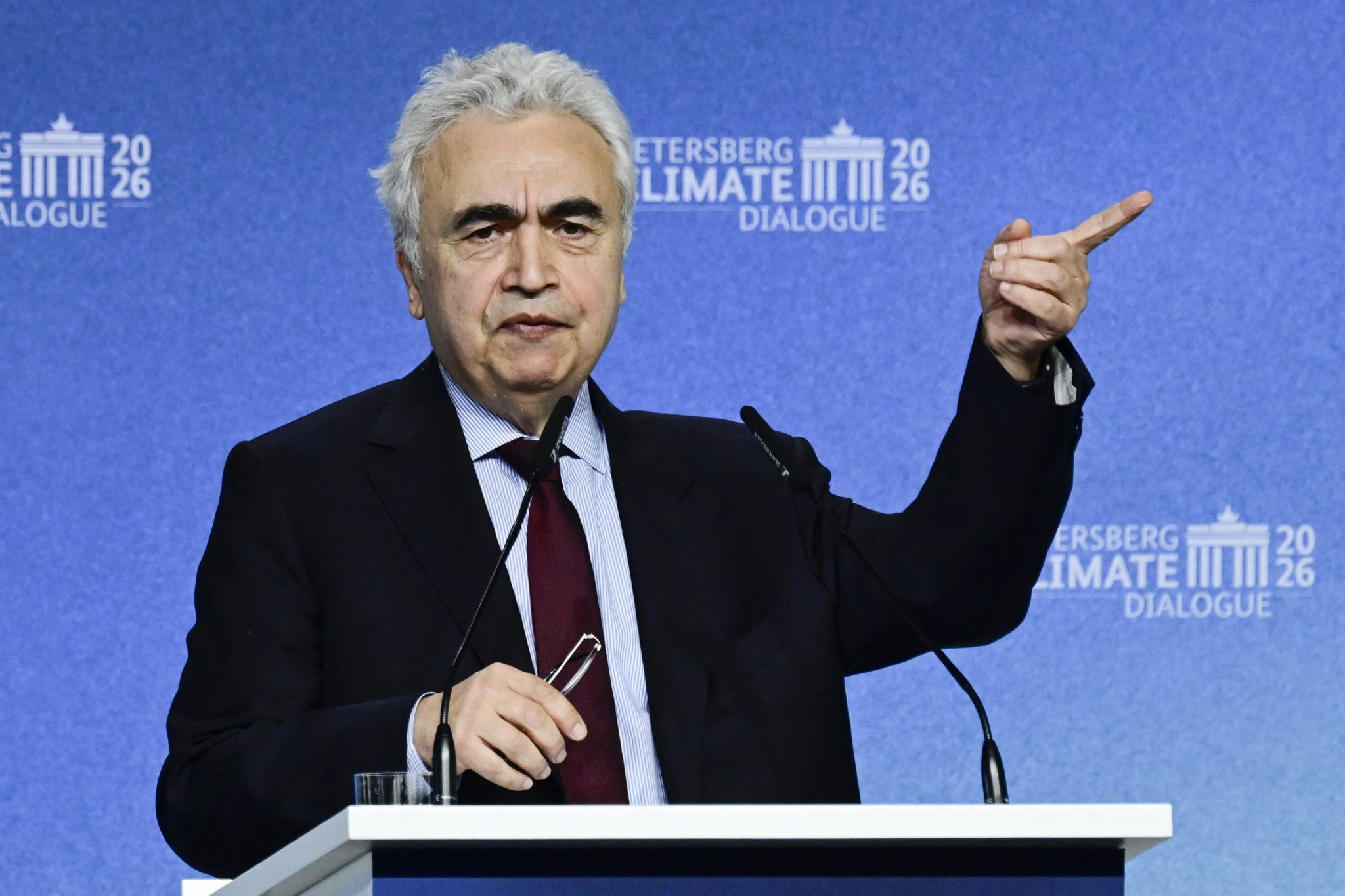
The world is currently facing its most severe energy security threat in history. Fatih Birol, the head of the International Energy Agency (IEA), warned that 13 million barrels of oil are being lost every day due to the ongoing conflict in Iran and a blockade of a vital shipping route. This massive shortage is far worse than previous energy crises, including those in the 1970s. Without a clear way to reopen trade paths, the global economy remains at high risk of a long-term downturn.
Main Impact
The primary effect of this crisis is being felt directly by consumers at the gas pump and in the travel industry. In the United States, gas prices are staying around $4 per gallon, making daily commutes more expensive. This pressure has forced major airlines to make difficult choices. Lufthansa recently canceled 20,000 flights, while United Airlines has increased ticket prices by as much as 20%. These changes are happening because jet fuel is becoming harder to find and much more expensive to buy.
Key Details
What Happened
The Strait of Hormuz, a narrow waterway essential for global trade, is currently under a "double blockade." Both the United States and Iran are preventing ships from passing through the area. Even though a fragile ceasefire is technically in place, the situation remains dangerous. Iran recently fired on three ships, and the U.S. military has informed Congress that clearing underwater mines from the strait could take up to six months. This delay means the world's most important oil route could stay closed for a long time.
Important Numbers and Facts
The scale of this crisis is much larger than anything seen before. Birol shared several key figures to show the severity of the situation:
- 13 million: The number of barrels of oil lost every day right now.
- 5 million: The number of barrels lost daily during the 1970s oil shocks.
- 3 to 5: The number of tankers passing through the strait daily now, compared to 129 before the war.
- $103: The current price of a barrel of oil as of Thursday morning.
- 400 million: The number of emergency oil barrels already released by the IEA to try and lower prices.
Background and Context
The Strait of Hormuz is often called a "choke point" because it is the only way for ships to get in and out of the Persian Gulf. About 20% of all the world's oil moves through this small area. However, it is not just about fuel. Other essential goods like fertilizer, which farmers need for food, and helium, used in medical technology, also pass through here. When this route is blocked, it stops the flow of goods that keep the global economy running smoothly. Birol described the current situation as a combination of two oil crises and one gas crisis happening all at once.
Public or Industry Reaction
Governments and international organizations are trying to find ways to cope with the shortage. The IEA has used its emergency reserves to put more oil onto the market, and they may do so again soon. In many parts of the world, especially in Asia, governments are encouraging people to use buses and trains instead of driving their own cars to save fuel. While these steps help a little, industry experts warn that they are not a permanent fix. Airlines and shipping companies are already warning that if the blockade continues, costs for almost everything will continue to rise.
What This Means Going Forward
The biggest challenge for the future is the physical safety of the shipping lanes. If it truly takes six months to clear mines from the water, the energy market will remain unstable for the rest of the year. High oil prices will likely lead to higher inflation, making food and household goods more expensive for everyone. Birol stated clearly that the only real "cure" for this economic pain is to fully reopen the Strait of Hormuz. Until ships can move freely again, emergency oil releases will only buy a small amount of time.
Final Take
This is a historic moment that shows how fragile the global energy system really is. While leaders are trying to manage the damage with emergency stocks, the loss of 13 million barrels a day is too large to ignore. The world is waiting to see if diplomacy can reopen the shipping lanes, as the alternative is a long and painful period of high prices and limited supplies.
Frequently Asked Questions
Why is this energy crisis worse than the ones in the 1970s?
The current crisis involves a loss of 13 million barrels of oil per day, which is more than double the 5 million barrels lost during the major oil shocks of the 1970s.
How long will it take to fix the shipping problems?
The U.S. military estimates it could take up to six months to clear the mines laid in the Strait of Hormuz, meaning shipping delays could last for a long time.
What is being done to lower gas and oil prices?
The IEA has released 400 million barrels of emergency oil reserves to increase supply, and some governments are promoting public transportation to reduce the demand for fuel.



