Summary
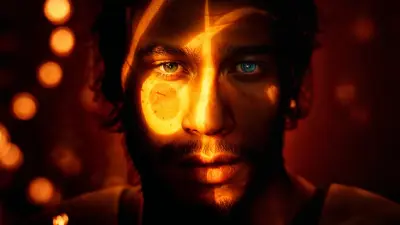
A new documentary titled The AI Doc: Or How I Became an Apocaloptimist is now arriving in theaters. Directed by Daniel Roher, the film looks at the deep fears and high hopes people have about artificial intelligence. It features interviews with top tech leaders and vocal critics to help regular people understand why this technology is so controversial. The movie suggests that while the future of AI is uncertain, humans still have the power to decide how it is used.
Main Impact
The biggest impact of this film is how it brings complex tech debates to a general audience. Many people use tools like ChatGPT or Google Gemini without knowing about the risks or the massive goals of the companies behind them. By explaining these topics in simple terms, the documentary encourages viewers to think critically about the tools they use every day. It moves the conversation away from just technical talk and focuses on how AI affects families, jobs, and the future of society.
Key Details
What Happened
Director Daniel Roher started this project because he felt anxious about the world his child would grow up in. To find answers, he spoke with some of the most important people in the tech world. The film shows two very different sides of the AI story. On one side are the "true believers" who think AI will solve all human problems. On the other side are critics who worry that AI could cause massive harm or even end human civilization. The film uses fast-paced editing and animations to keep the audience engaged throughout its story.
Important Numbers and Facts
The documentary has a total running time of 1 hour and 43 minutes. It includes interviews with major figures like Sam Altman, the CEO of OpenAI, and Dario Amodei, the CEO of Anthropic. It also features experts like Karen Hao, author of The Empire of AI, and linguistics professor Emily M. Bender. The film highlights the concept of Artificial General Intelligence (AGI), which is a type of AI that could match or beat human intelligence in almost every task. Many tech leaders are spending billions of dollars to reach this goal as quickly as possible.
Background and Context
Artificial intelligence has moved very fast over the last few years. What used to be science fiction is now part of our daily lives. However, this rapid growth has caused a lot of worry. Some experts are concerned about how AI uses personal data, while others worry about it replacing human workers. There is also a deeper, almost religious belief among some tech developers that AI is the next step in human evolution. This film tries to explain these big ideas to people who do not work in the tech industry but are still affected by it.
Public or Industry Reaction
The film points out that the public is already starting to push back against some AI developments. For example, many gamers reacted poorly to NVIDIA’s latest AI upscaling technology, known as DLSS 5. Microsoft also recently decided to remove some AI features from Windows 11 after users complained. Even OpenAI shut down its Sora video tool, likely due to high costs and public criticism. These examples show that when people speak up, tech companies often listen. The reaction to the film itself has been mixed; some say it is a great introduction for beginners, while others feel it could have looked even deeper into the dark side of the industry.
What This Means Going Forward
The term "apocaloptimist" used in the film describes a person who sees the potential for disaster but remains hopeful. This mindset suggests that the path of AI is not set in stone. If the public continues to demand safety and fairness, the industry may move in a better direction. However, the pressure to make money is very high. Going forward, we can expect more debates about how much power these tech companies should have. Governments may also use the concerns raised in films like this to create new laws that control how AI is built and sold.
Final Take
This documentary serves as a wake-up call for anyone who feels overwhelmed by the speed of modern technology. It reminds us that while AI is powerful, it is still a tool made by humans. We do not have to accept every new feature or product if it does not benefit society. By staying informed and asking hard questions, regular people can help ensure that the future of AI is helpful rather than harmful. The film may not have all the answers, but it starts the right conversations at a time when they are needed most.
Frequently Asked Questions
What is an "apocaloptimist"?
It is a person who is aware that technology could cause a disaster (an apocalypse) but still believes that humans can work together to create a positive outcome (optimism).
Who are the main people interviewed in the film?
The film features tech leaders like Sam Altman and Dario Amodei, as well as critics like Tristan Harris and researcher Emily Bender.
Is the film suitable for people who don't know much about tech?
Yes, the documentary is specifically designed for a mainstream audience. It uses simple language and animations to explain complex ideas about artificial intelligence.