
Summary
A spiritual leader in Nashik, known as Kharat, is at the center of a disturbing case involving sexual assault and the leak of private videos. While the legal system attempts to punish the accused, the victims are facing a second wave of trauma as recordings of the crimes circulate online. This situation shows how digital evidence can be misused to shame survivors long after the initial incident. The spread of these videos is silencing women and making it harder for them to seek justice in a society that often blames the victim.
Main Impact
The primary impact of this leak is the total destruction of privacy for the women involved. In many cases, the social shame caused by the viral videos is just as damaging as the physical assault itself. When these recordings are shared on messaging apps and social media, the victims lose control over their own stories. This "digital afterlife" of the crime ensures that the trauma never ends, as the victims fear being recognized or judged by their neighbors, friends, and family every single day.
Key Details
What Happened
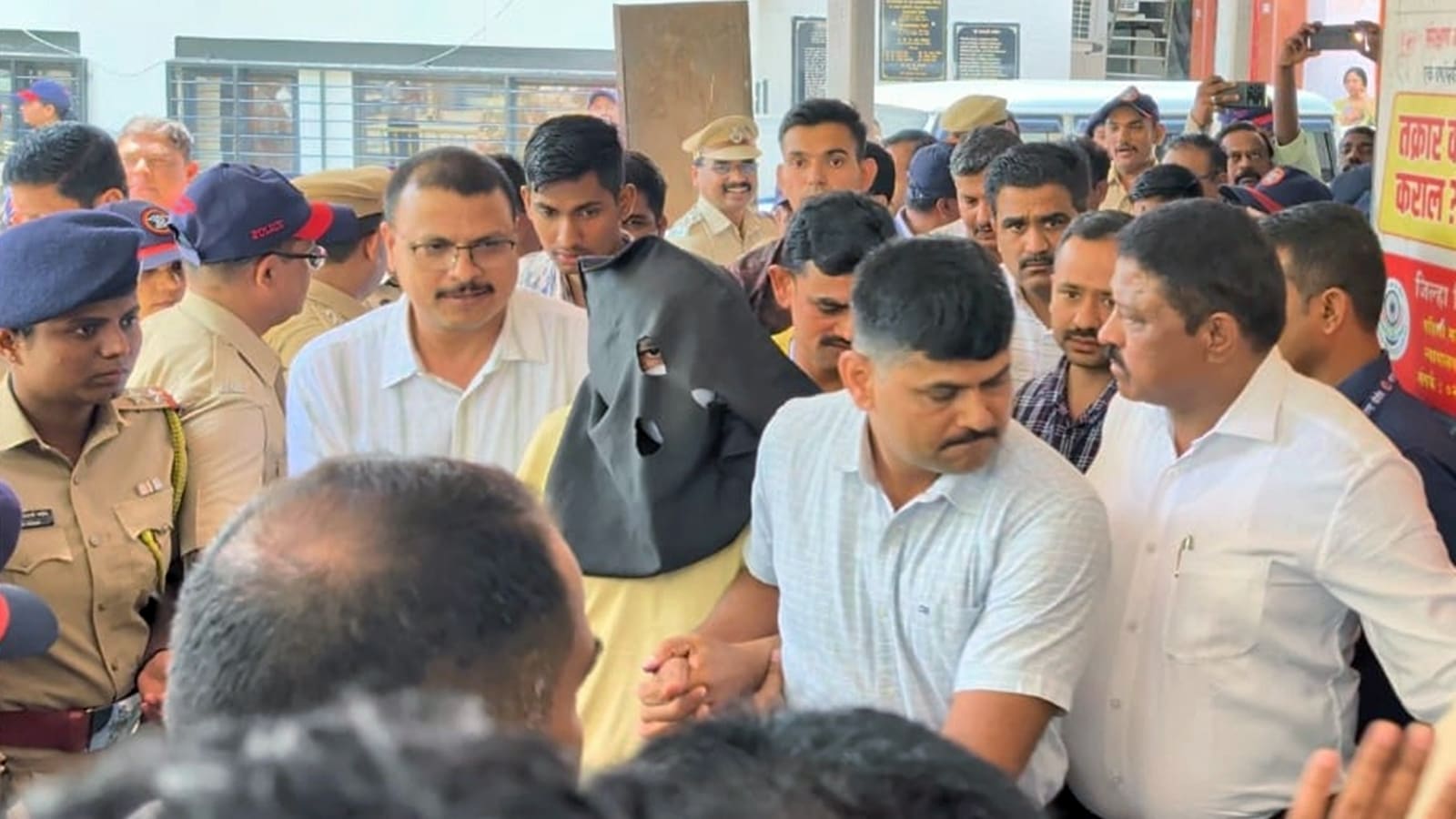
The accused, a self-proclaimed "godman" or spiritual teacher named Kharat, allegedly used his position of power to exploit women who came to him for help. He reportedly recorded these acts of sexual assault without the victims' knowledge. After the allegations came to light and the police began their investigation, these sensitive videos were leaked to the public. Instead of being used strictly as evidence in a courtroom, the footage became a tool for harassment as it spread across various digital platforms.
Important Numbers and Facts
The case originated in Nashik, Maharashtra, where Kharat operated his spiritual center. Multiple women have come forward to file official complaints against him. Since the leak, the videos have been shared thousands of times across encrypted messaging apps. Under Indian law, sharing or even possessing such explicit content without consent is a serious crime, yet the sheer volume of shares makes it difficult for local police to track every person involved in the distribution.
Background and Context
In many parts of India, spiritual leaders hold a high level of trust and authority. People often visit them during times of deep personal trouble or illness. This power dynamic makes it easy for dishonest leaders to take advantage of vulnerable followers. The term "godman" refers to these figures who claim to have special powers or divine connections. When such a leader commits a crime, the betrayal of trust is massive. In the digital age, the problem is made worse because cameras are everywhere, and once a video is on the internet, it is almost impossible to delete it completely.
Public or Industry Reaction
Women’s rights activists and local community leaders have expressed deep anger over the situation. They argue that the leak of these videos is a failure of the justice system to protect the identity of survivors. Many are calling for the police to take stricter action against anyone caught sharing the clips. There is also a growing demand for social media companies to use better technology to block this specific content from being uploaded. Public reaction has been a mix of support for the victims and a harsh reminder of the social stigma that still surrounds sexual violence in many communities.
What This Means Going Forward
This case highlights the urgent need for better digital privacy laws and more secure ways to handle evidence. If victims believe that reporting a crime will lead to their private trauma being broadcast to the world, they will stop coming forward. Moving forward, the legal system must find ways to guarantee that digital evidence stays locked away from the public. There is also a need for a "right to be forgotten" law that would force search engines and apps to remove harmful content more quickly. For the survivors in Nashik, the path to recovery depends on whether the community chooses to support them or continue sharing the videos that cause them pain.
Final Take
Justice is not just about putting a criminal behind bars; it is also about restoring the dignity of the person who was hurt. When leaked videos are allowed to circulate, the crime continues to happen every time someone presses the "play" button. To truly help these victims, society must stop the cycle of sharing and focus on the accountability of the predator rather than the shame of the survivors.
Frequently Asked Questions
Is it illegal to share these leaked videos?
Yes, sharing, downloading, or distributing sexually explicit content without the consent of the people involved is a major crime under the Information Technology Act and the Indian Penal Code.
What can victims do if their private videos are leaked?
Victims should report the content to the police cyber cell immediately. They can also use reporting tools on social media platforms to request the removal of the videos and seek legal help to protect their privacy.
Why is the Nashik case so significant?
It is significant because it shows how a person in a position of spiritual trust can cause long-term damage, and it highlights the massive challenges the legal system faces in protecting victim privacy in the age of the internet.



