
Summary
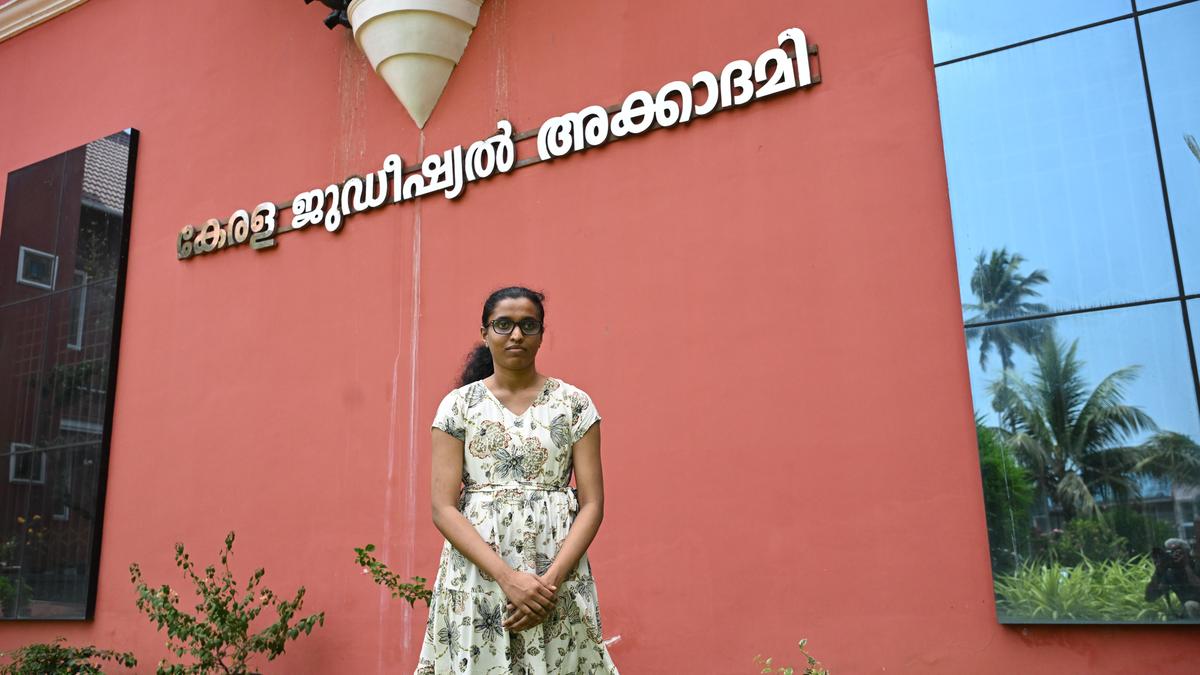
Thanya Nathan C. has made history by becoming the first visually challenged trainee judge in the state of Kerala. She is set to begin a year-long training program at the Kerala Judicial Academy this Monday. This event marks a major step forward for the legal system, showing that physical challenges do not stop talented individuals from serving the public. Her journey is an inspiration to many and highlights the growing focus on inclusion within the Indian judiciary.
Main Impact
The entry of Thanya Nathan C. into the judiciary is a powerful sign of change. For a long time, certain roles in the legal world were thought to be out of reach for people with visual impairments. By joining the district judiciary, she is breaking these old ideas. This move shows that the court system is becoming more open and supportive of people with different abilities. It also proves that with the help of modern tools and a fair chance, anyone can perform the duties of a judge.
Key Details
What Happened
The Kerala Judicial Academy is welcoming a new group of trainee judges. Among them is Thanya Nathan C., who is the first person with a visual impairment to reach this position in the state. The academy provides the necessary education and skills for people who want to become judges in the district courts. This specific group will start their official training on Monday, marking the beginning of their professional path in the legal system.
Important Numbers and Facts
The training program is scheduled to last for exactly one year. During this time, the trainees will learn about various laws, how to manage a courtroom, and how to make fair decisions. Thanya Nathan C. will be training alongside her batchmates, receiving the same high-level instruction as everyone else. The program includes both classroom lessons and practical sessions where they observe how real court cases are handled.
Background and Context
The judiciary is the part of the government that interprets laws and makes sure justice is served. In the past, being a judge was seen as a job that required a person to read many paper documents and see everything happening in a courtroom. However, technology has changed how things work. Today, there are screen readers, voice-to-text software, and other digital tools that help people who cannot see to read legal papers and write their judgments.
In India, there has been a slow but steady push to make the legal profession more inclusive. Laws like the Rights of Persons with Disabilities Act have helped open doors that were once closed. Thanya’s success is a result of her hard work and the changing rules that allow people with disabilities to compete for these important jobs. Her presence in the academy is a sign that the system is starting to value talent and knowledge over physical traits.
Public or Industry Reaction
The legal community in Kerala and across India has reacted with great respect to this news. Many lawyers and current judges see this as a proud moment for the state. People who work for disability rights have also praised the move, noting that it sets a great example for other states to follow. The general public has shown a lot of support on social media, calling Thanya a role model for young students who face similar challenges. Her story is being shared as a reminder that determination can lead to great success, even in very difficult fields.
What This Means Going Forward
After Thanya Nathan C. completes her one-year training, she will be ready to take her place on the bench as a judge. This will be the real test of how the court system adapts to her needs. Courts may need to ensure that documents are provided in digital formats that her software can read. It also means that the staff working with her will learn how to support a judge with a visual impairment. If this goes well, it will pave the way for many more people with disabilities to become judges, lawyers, and legal experts in the future. It helps build a court system that looks more like the diverse society it serves.
Final Take
Thanya Nathan C. starting her training is more than just a personal success; it is a win for the entire justice system. It shows that the path to becoming a judge is open to those who have the mind and the heart for it, regardless of their physical sight. As she begins her year at the Kerala Judicial Academy, she carries the hopes of many who want to see a more fair and inclusive world. Her career will be watched closely, and her success will likely change the face of the Indian judiciary forever.
Frequently Asked Questions
Who is Thanya Nathan C.?
She is the first visually challenged person to be selected as a trainee judge in the district judiciary of Kerala.
How long is the training program for new judges?
The training program at the Kerala Judicial Academy lasts for one year and includes both theory and practical court experience.
Why is this news important for the legal system?
It is important because it promotes diversity and shows that people with disabilities can hold high-ranking positions in the government and the courts.



