
Summary
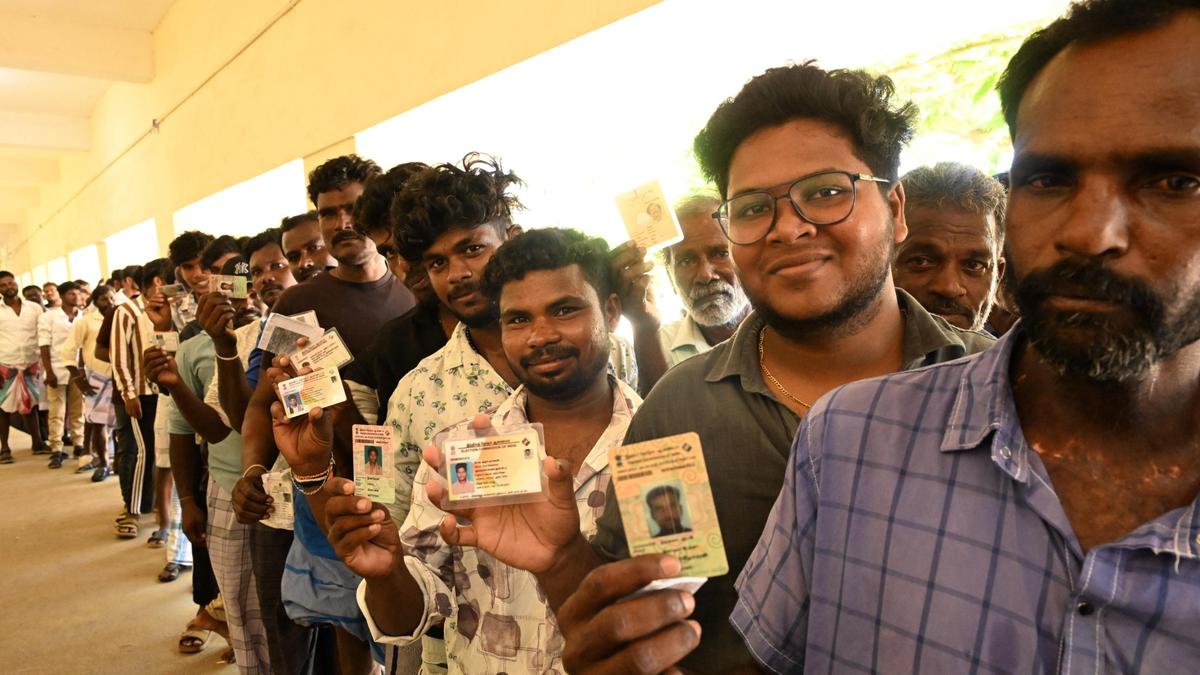
Families in the coastal village of Thangachimadam are turning to the ballot box as a final way to seek justice and safety. For years, these fishing communities have faced constant fear due to arrests and the loss of their livelihoods at sea. By participating in the latest elections, they hope to send a strong message to the government that their survival depends on immediate political action. This move highlights how voting has become a tool for "freedom" for a community that feels forgotten by those in power.
Main Impact
The decision to vote in large numbers marks a major shift for the people of Thangachimadam. In the past, many felt that no matter who they voted for, their problems remained the same. However, the current situation has reached a breaking point. The main impact of this high voter turnout is the pressure it puts on national and state leaders to address the safety of fishermen in the Palk Strait. It shows that the community is no longer willing to wait quietly and is using the democratic process to demand their right to work without fear of arrest or violence.
Key Details
What Happened
In Thangachimadam, a village near Rameswaram, the mood during the recent elections was one of quiet determination. Families who have lost loved ones to foreign prisons or seen their expensive boats destroyed decided to head to the polling stations. They view their vote as a "last resort" because other forms of protest, such as hunger strikes and road blocks, have not brought long-term changes. The villagers believe that by choosing the right representatives, they might finally get a government that prioritizes the maritime boundary issues that affect their daily lives.
Important Numbers and Facts
The fishing crisis in this region involves several critical figures. Over the last few years, hundreds of fishermen from Tamil Nadu have been detained by the Sri Lankan Navy. Reports show that dozens of boats, which cost lakhs of rupees each, are currently rotting in foreign ports because they were seized and never returned. In Thangachimadam alone, nearly every household has a connection to someone who has been arrested or harassed at sea. During this election cycle, local leaders reported a high level of engagement from young voters who are worried about their future in the fishing industry.
Background and Context
The struggle of the Thangachimadam fisherfolk is rooted in the geography of the Palk Strait. This narrow body of water separates India and Sri Lanka. For generations, local fishermen have used these waters to catch fish and prawns. However, after the maritime boundary was settled decades ago, many traditional fishing grounds fell into Sri Lankan territory. This has led to a constant conflict where Indian fishermen are accused of crossing the border, leading to arrests, heavy fines, and sometimes physical harm. The loss of Katchatheevu, a small island nearby, is often cited by the villagers as the moment their troubles began, as it limited their access to safe resting spots and better fishing zones.
Public or Industry Reaction
Local fishing unions and family associations have expressed a mix of hope and sadness. Many community leaders say they are tired of political parties making big promises during campaigns only to forget them once the election is over. However, the reaction on the ground shows a renewed sense of unity. Families are talking more about the power of their collective voice. Industry experts note that if the government does not act soon, the traditional fishing way of life in Thangachimadam could disappear, as younger generations are becoming too afraid to take up the profession.
What This Means Going Forward
The high participation in the polls means the next government will be under a microscope. The people of Thangachimadam are looking for specific actions, such as a permanent solution to the boundary dispute and better protection from the Indian Coast Guard. If the situation does not improve, the frustration could turn into deeper social unrest. Moving forward, there is a clear need for diplomatic talks between India and Sri Lanka that focus specifically on the humanitarian side of the fishing crisis, rather than just political boundaries. The safety of these families is now a major political test for the winners of the election.
Final Take
The act of voting in Thangachimadam is more than just a civic duty; it is a cry for help. These families are using the only power they have left to ensure their sons, husbands, and fathers can go to sea and return home safely. The election results will show who the people trust, but the real success will only be measured by whether the arrests stop and the fear finally fades away from these coastal shores.
Frequently Asked Questions
Why is voting considered a "last resort" for these families?
They have tried many other ways to get help, such as protests and meetings with officials, but nothing has worked. They feel that voting is the only way left to force the government to listen to their problems.
What is the main problem facing the fishermen in Thangachimadam?
The main problem is the frequent arrest of fishermen and the seizure of their boats by the Sri Lankan Navy when they cross the maritime boundary in search of fish.
What do the villagers hope to achieve by voting?
They hope to elect leaders who will protect their rights at sea, help recover their seized boats, and find a permanent diplomatic solution to the fishing disputes between India and Sri Lanka.



