Summary
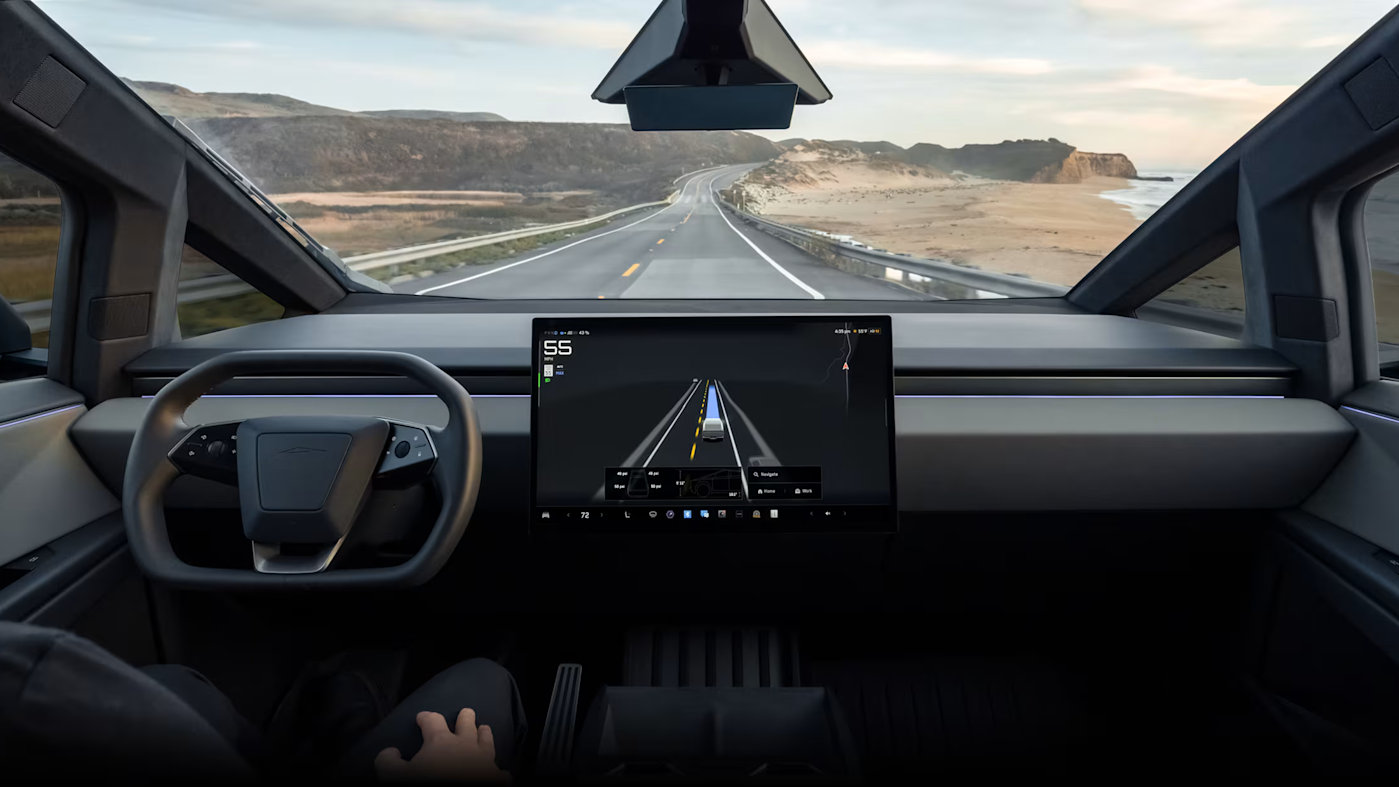
Tesla is officially bringing its Full Self-Driving (Supervised) technology to Europe, starting with the Netherlands. The Dutch vehicle authority, known as the RDW, gave the green light after more than a year of testing the system on tracks and public roads. This approval marks the first time a European country has allowed the advanced driver-assist software to be used by the public. It is a major step in Tesla’s plan to expand its automated driving features to more parts of the world.
Main Impact
The arrival of this software in the Netherlands is a significant win for Tesla and its fans in Europe. For a long time, the most advanced versions of Tesla’s driving software were only available in North America. This new approval means that Dutch Tesla owners will soon be able to use features that help the car steer, brake, and change lanes under human supervision. More importantly, this decision could lead to the software being allowed in all other European Union countries, potentially changing how people drive across the entire continent.
Key Details
What Happened
The RDW, which is the government group in charge of vehicle safety in the Netherlands, confirmed that Tesla received what is called "type approval." This is a formal way of saying the car and its software meet the legal requirements to be sold and used on the road. The RDW spent a long time checking the software to make sure it was safe enough for regular people to use in daily traffic.
Important Numbers and Facts
The testing process was very thorough and took quite a while to complete. Here are the key facts regarding the approval:
- The RDW tested the software for more than 18 months before making a decision.
- Testing took place on both private closed tracks and busy public roads to see how the car handled different situations.
- The RDW concluded that the system makes a "positive contribution" to road safety when used correctly.
- Tesla previously shared a roadmap in 2024 stating they hoped to launch in Europe by early 2025, and this news shows they are moving toward that goal.
Background and Context
Tesla has two main levels of driving assistance. The basic version is called Autopilot, which helps with things like staying in a lane on the highway. The more advanced version is Full Self-Driving (FSD). Even though it is called "Full Self-Driving," it is not a "hands-off" system. Tesla added the word "Supervised" to the name to remind people that they must still pay attention. In Europe, rules about automated driving are much stricter than in the United States. This is why it has taken so long for the software to arrive. Regulators want to be absolutely sure that the software can handle the unique road signs, narrow streets, and many cyclists found in European cities.
Public or Industry Reaction
The reaction to this news has been a mix of excitement and caution. The RDW is confident in its decision, but they were very careful to tell the public that these cars are not truly "self-driving." They reminded drivers that the person in the seat is still legally responsible for everything the car does. Meanwhile, safety groups in other parts of the world are still watching Tesla closely. In the United States, the National Highway Traffic Safety Administration (NHTSA) is currently looking into how the software works when it is hard to see the road. They are investigating crashes that happened in conditions like heavy fog, dust, or very bright sunlight. These investigations show that while the technology is improving, there are still many questions about how it handles bad weather.
What This Means Going Forward
Now that the Netherlands has approved the system, the next step is for Tesla to send the software to cars through wireless updates. Owners will likely have to pay a monthly fee or a one-time price to use the features. After the rollout in the Netherlands is successful, Tesla will likely use the data they collect to convince other European countries to allow the software. If the system works well on Dutch roads, it will be much easier for countries like Germany, France, and Italy to say yes. Tesla is also working on getting similar approvals in China, as the company wants its software to be a global standard for modern driving.
Final Take
This is a historic moment for the automotive industry in Europe. By getting approval in the Netherlands, Tesla has proven that its software can meet some of the toughest safety rules in the world. While drivers still need to keep their hands on the wheel and their eyes on the road, this move brings us one step closer to a future where cars do most of the hard work. The success of this rollout will depend on how well the software handles the complex and crowded roads of Europe compared to the wide highways of America.
Frequently Asked Questions
Can the car drive itself while I sleep?
No. The system is "Supervised," which means the driver must stay awake, look at the road, and be ready to take control at any second. It is an assistant, not a replacement for a driver.
Will this be available in other European countries soon?
Yes, the approval in the Netherlands is a "type approval," which often makes it much easier for the software to be accepted by other member states in the European Union.
Does the software work in bad weather?
While the software is designed to help in many conditions, safety experts warn that it may struggle in low visibility, such as heavy rain, fog, or snow. Drivers should be extra careful in these situations.