
By Staff Reporter | Legal Desk
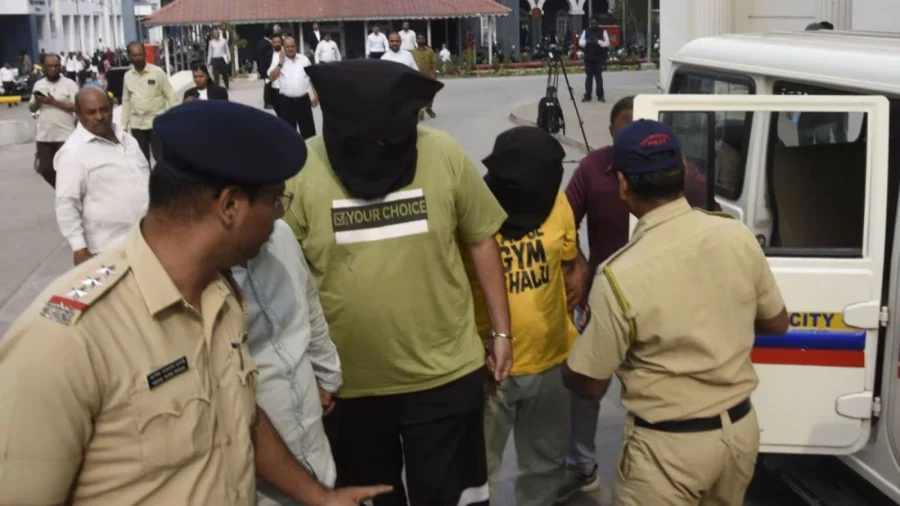
Five people accused in the TCS Nashik case have been granted bail in four FIRs, in a legal development that eases — but does not settle — the proceedings against them. The case has been closely watched since it first drew national attention, and this order is among the most significant turns in the matter so far.
What the bail order actually changes
According to the headline development, a court has granted bail to five accused across four FIRs. That means the accused do not remain in custody — if they were in custody — on those four cases, subject to conditions imposed by the court.
The exact nature of the bail, its terms, and whether it was opposed by investigators are not confirmed in available material. Those details will determine how far this order actually relieves the accused.
The case that led to multiple FIRs
The TCS Nashik case, as widely reported in public coverage, stems from the death of a young woman employee that triggered protests at the company's Nashik campus and complaints filed by the family and colleagues. Police subsequently registered multiple FIRs, and several people were named as accused.
This background is drawn from prior public reporting, not from the headline itself, and specific case details remain subject to confirmation through official records.
Why multiple FIRs matter in this case
When several FIRs arise from the same dispute, the accused face layered legal exposure. Each FIR is investigated and, potentially, tried separately.
Bail in four FIRs does not automatically end proceedings in those cases — it simply means the accused are not required to remain in custody while the cases move forward. This is why the order is significant but far from a final outcome.
What is still unclear
Verified information is limited to the headline: five accused, four FIRs, bail granted. It is not yet clear which court passed the order, who the five accused are, whether the bail is regular or anticipatory, and whether the accused have actually been released after completing formalities.
None of these details have been confirmed through high-confidence sources, and all of them could materially change how the development is read.
What happens next
The accused will now be expected to comply with bail conditions — typically including appearance before the investigating officer and the court as required. The investigation and trial on the remaining allegations continue.
A fuller legal picture will emerge once the bail order, case status, and the investigating agency's position are made available.
Our Take
Bail is not acquittal. In a case that has come to symbolise workplace safety concerns, the courts are now balancing the rights of the accused against the seriousness of the allegations. The next stage — the trial and the pending proceedings — will carry far greater weight than today's bail order.
Frequently Asked Questions
How many accused got bail in the TCS Nashik case?
Five accused were granted bail in four FIRs, according to the headline development.
What is the TCS Nashik case about?
Based on publicly reported context, it relates to the death of a young woman employee and the protests and complaints that followed at the TCS Nashik campus. Multiple FIRs were registered in the matter.
Does bail in four FIRs end the legal case?
No. The bail applies only to the four FIRs mentioned in the development. Other proceedings and bail conditions remain in place.
Why did the court grant bail to the five accused?
The court's reasoning is not available in confirmed sources. Bail orders generally consider the nature of allegations, the evidence on record, and whether continued custody is necessary during investigation.



