
Summary
Tapash Banerjee, a senior leader from the Trinamool Congress (TMC), recently shared his views on the upcoming elections and the mood of the voters. He admitted that there is a feeling of dissatisfaction among some people, often called anti-incumbency, but he argued that this feeling affects both the ruling party and the opposition. Banerjee expressed strong confidence that the TMC will win because the public still prefers their leadership over other choices. His comments highlight the intense political competition currently taking place in West Bengal.
Main Impact
The statement from Banerjee is significant because it acknowledges a common political challenge instead of ignoring it. By saying that anti-incumbency exists on "both sides," he is suggesting that the opposition parties, such as the Bharatiya Janata Party (BJP), have also failed to meet the expectations of the people. This strategy aims to convince voters that even if they have complaints about the current government, the alternatives might not be any better. This approach could help the TMC keep its core supporters while trying to win over undecided voters who are frustrated with the general political situation.
Key Details
What Happened
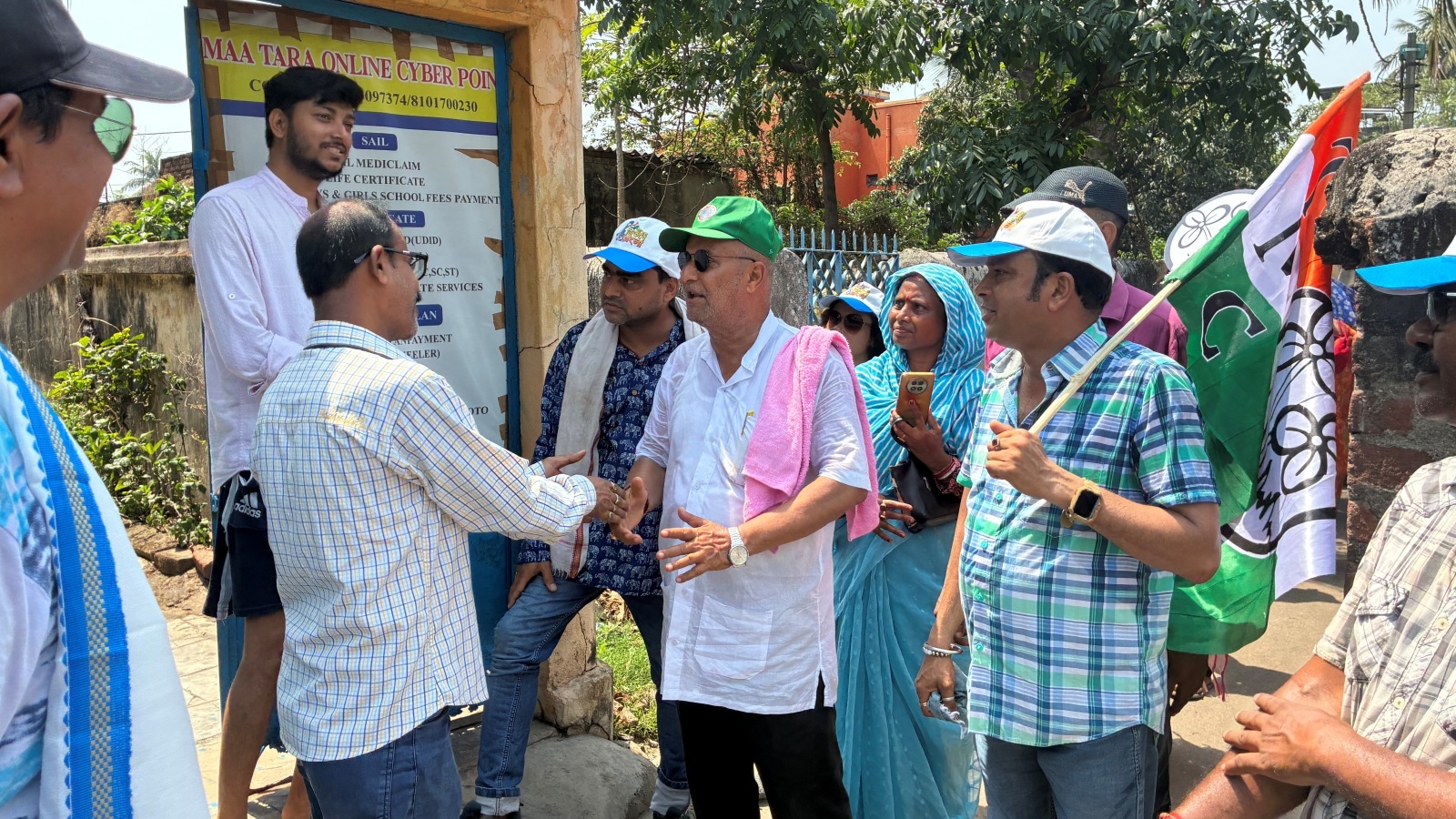
During a recent meeting with supporters and local residents, Tapash Banerjee spoke about the challenges of staying in power for a long time. He noted that it is natural for some people to want change after several years of the same government. However, he pointed out that when people look at the work done by the TMC, they see real progress in their daily lives. He spent time walking through local neighborhoods, listening to concerns, and explaining why he believes his party remains the best option for the state's future.
Important Numbers and Facts
Tapash Banerjee is a well-known MLA from the Raniganj area, which is a key industrial and coal-mining zone. In previous elections, the competition in this region has been very close between the TMC and the BJP. The TMC relies heavily on its social welfare programs, which reach millions of families across the state. These programs include financial help for women, free food grains, and health insurance. Banerjee believes these specific benefits will outweigh any negative feelings voters might have about local officials or administrative issues.
Background and Context
To understand this situation, it is important to know what anti-incumbency means. In simple terms, it is when voters get tired of the party in power and decide to vote for someone else just to see a change. The TMC has been leading West Bengal for over a decade. During this time, they have faced many challenges, including protests over land, jobs, and claims of unfair practices. On the other hand, the BJP has grown stronger in the state, promising to bring a "double engine" government that works closely with the central authorities in Delhi. Banerjee’s argument is that the BJP has not delivered on its promises in the areas where they have power, creating a different kind of disappointment among the public.
Public or Industry Reaction
The reaction to Banerjee’s comments has been mixed. Supporters of the TMC praised him for being honest about the difficulties of governing while remaining hopeful. They feel that his focus on "both sides" having problems is a fair assessment of modern politics. However, opposition leaders have criticized his statement. BJP spokespersons argued that anti-incumbency only applies to the ruling party because they are the ones responsible for the state's current condition. They claim that the people are ready for a complete change and that Banerjee is simply trying to hide the government's failures by blaming others.
What This Means Going Forward
As the election date gets closer, the focus will likely stay on local issues like jobs, safety, and the price of daily goods. The TMC will continue to promote its "Duare Sarkar" program, which brings government services directly to people's homes. If Banerjee is right and the public views the opposition with the same doubt they have for the ruling party, the election will come down to which party has a better grassroots network. The TMC’s ability to mobilize its workers and remind people of the direct help they have received will be the most important factor in the coming months.
Final Take
Tapash Banerjee is betting that the bond between the TMC and the people is stronger than the temporary desire for change. By framing the election as a choice between two sides that both have flaws, he is asking voters to choose the side that has a proven track record of providing social support. Whether this strategy works will depend on whether voters feel that the benefits they receive are worth more than the problems they see in the current system.
Frequently Asked Questions
What does anti-incumbency mean in this context?
It refers to the tendency of voters to become unhappy with the current government over time, often leading them to vote for an opposition party in the next election.
Who is Tapash Banerjee?
Tapash Banerjee is a senior politician and a member of the Legislative Assembly (MLA) representing the Trinamool Congress (TMC) in West Bengal.
Why does he say the opposition also faces anti-incumbency?
He believes that the opposition parties have failed to provide a better alternative or fulfill their own promises in the regions where they hold influence, making voters skeptical of them as well.



