
Summary
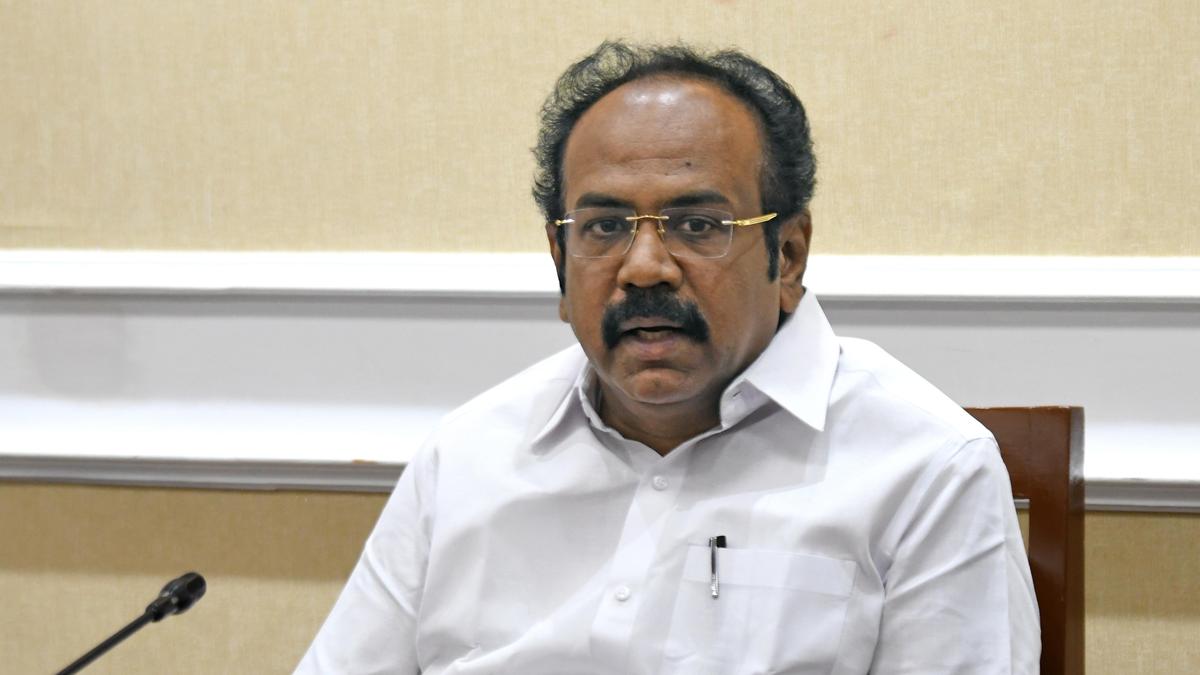
Tamil Nadu Finance Minister Thangam Thennarasu recently defended the state’s welfare programs against critics who claim they are a burden on the budget. He argued that these social schemes are not wasteful spending but are instead vital tools for fair economic growth. By sending money directly to those in need, the government believes it is helping local businesses and giving people more control over their own lives. The Minister highlighted that these programs are designed to ensure that everyone in society benefits from the state's progress.
Main Impact
The primary impact of this stance is a shift in how government spending is viewed. While some financial experts worry about state debt, the Tamil Nadu government is focusing on the "multiplier effect" of welfare. When the government provides financial support to lower-income families, that money is usually spent immediately on basic needs like food, clothes, and education. This spending goes directly back into the local economy, helping small shops and rural markets stay active. This approach challenges the idea that welfare is a drain on resources, suggesting instead that it is a way to keep the economy moving from the bottom up.
Key Details
What Happened
Minister Thangam Thennarasu spoke out against the common criticism that Tamil Nadu’s social programs are "fiscally irresponsible." He noted that it is ironic to label these programs as bad for the economy when they are actually based on sound economic principles. The Minister explained that the government’s goal is "inclusive growth," which means making sure that wealth and opportunities are shared by all citizens, not just a few. He emphasized that the state uses modern methods to make sure the help reaches the right people without any middlemen taking a cut.
Important Numbers and Facts
A major part of the state's strategy involves Direct Benefit Transfer (DBT). This is a system where the government sends money directly into a person’s bank account. According to the Minister, this method has several benefits. First, it reduces "leakages," which is a term for money being lost to corruption or administrative errors. Second, it provides "autonomy," meaning the people receiving the money can decide for themselves how to use it best. This system ensures that 100% of the intended aid reaches the beneficiary, making the process much more efficient than older ways of distributing help.
Background and Context
Tamil Nadu has a long history of implementing social welfare programs. For decades, the state has been a leader in providing free meals in schools, healthcare access, and support for women. These programs are often part of what is known as the "Dravidian Model" of development. This model suggests that social justice and economic growth must go hand in hand. In recent years, there has been a heated debate in India about "freebies"—a term used by some to describe government gifts or subsidies. Critics argue that these programs lead to high debt, while supporters argue they are necessary to lift people out of poverty and improve the quality of life for the average citizen.
Public or Industry Reaction
The reaction to the Minister’s comments has been mixed. Many development experts and economists agree with the state’s approach. They point out that when people have a basic financial safety net, they are more likely to invest in their children’s education and health, which helps the economy in the long run. However, some fiscal watchers remain concerned about the state's total debt levels. They argue that while welfare is important, the government must balance it with spending on large infrastructure projects like roads and factories. Despite these concerns, the general public in Tamil Nadu has shown strong support for these schemes, as they provide immediate relief from the rising cost of living.
What This Means Going Forward
Moving forward, the Tamil Nadu government appears committed to expanding its welfare reach. The focus will likely remain on using technology to make these programs even more precise. By using data and digital banking, the state hopes to identify exactly who needs help and deliver it instantly. This could serve as a map for other states to follow. However, the government will also face the challenge of proving to the central government and credit agencies that it can manage its budget while keeping these programs alive. The success of this model will depend on whether the boost to the local economy is enough to offset the high cost of the programs.
Final Take
Welfare programs should be seen as an investment in human potential rather than just a cost on a balance sheet. By putting money directly into the hands of the people, the government is trusting its citizens to make the best choices for their families. This strategy not only helps the poor but also keeps the wheels of the local economy turning. If this model continues to show results in health and education, it may change the way people think about government spending across the entire country.
Frequently Asked Questions
What is Direct Benefit Transfer (DBT)?
Direct Benefit Transfer is a way for the government to send money directly into a person's bank account. This helps prevent corruption and ensures the money reaches the right person quickly.
Why do some people criticize welfare schemes?
Critics often worry that spending too much on welfare will lead to high government debt. They sometimes call these programs "freebies" and argue the money should be spent on other things like building bridges or power plants.
What does "inclusive growth" mean?
Inclusive growth is the idea that as a state or country gets richer, that wealth should be shared by everyone. It focuses on making sure that even the poorest people have access to food, education, and healthcare.



