
Summary
Three specific areas in Tamil Nadu have consistently shown the highest voter participation in every state election for over a decade. Palacode, Veerapandi, and Kulithalai have become the leaders in voter turnout since the voting boundaries were redrawn in 2008. This high level of activity is driven by strong local ties and political groups that work closely with specific communities. Understanding why these areas vote in such high numbers helps explain the unique political culture of the region.
Main Impact
The high voter turnout in these three regions shows a deep level of political engagement that is rarely seen in other parts of the state. When more people vote, it often means that the competition between candidates is very tight. In Palacode, Veerapandi, and Kulithalai, the act of voting is more than just a civic duty; it is a way for communities to show their collective strength. This trend has forced political parties to focus heavily on these areas, knowing that every single vote counts and that the local population is highly motivated to show up at the polling booths.
Key Details
What Happened
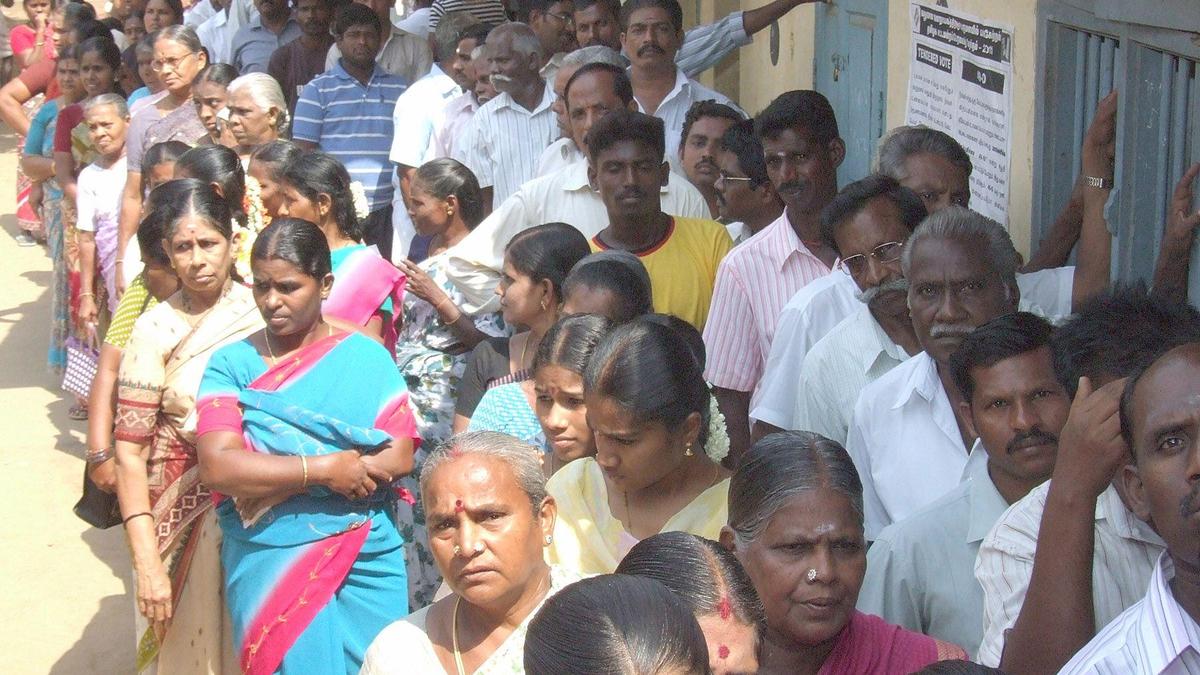
Since the 2011 Assembly elections, Palacode, Veerapandi, and Kulithalai have stayed at the top of the list for voter turnout in Tamil Nadu. This pattern began after the 2008 delimitation, which is the process of redrawing the boundaries of voting areas to make sure each one has a fair number of people. While many urban areas struggle to get even half of their residents to vote, these three rural and semi-rural areas often see turnout rates that go well above 80% and sometimes approach 90%.
Political experts have noticed that these areas do not just have high turnout once in a while. Instead, they have maintained this record across multiple election cycles, including the major polls in 2011, 2016, and 2021. This consistency suggests that there are deep-rooted reasons why people in these specific spots feel so strongly about casting their ballots.
Important Numbers and Facts
The data from the last three major elections shows a clear trend. In many cases, these three constituencies have recorded turnout figures that are 10% to 15% higher than the state average. For example, while the overall state turnout might hover around 70% to 75%, Palacode and Veerapandi frequently cross the 85% mark. These numbers are significant because they represent thousands of voters who are actively participating in the democratic process, regardless of the weather or the political climate at the time.
Background and Context
To understand why these areas are so active, it is important to look at how politics works on the ground. In many parts of Tamil Nadu, voting is tied to local identity. In Palacode, Veerapandi, and Kulithalai, political parties use what is called "communal mobilization." This simply means that leaders reach out to people based on their community or caste groups. They convince voters that by voting for a specific candidate, they are protecting the interests of their own group.
Another factor is local loyalty. In these areas, politicians are often very well-known in the community. They attend local weddings, funerals, and festivals. This personal connection makes voters feel that their representative is a part of their daily lives. When people feel a personal bond with a leader, they are much more likely to go out and vote for them. Additionally, these areas have a history of intense political rivalry, where two or three major families or leaders have competed for power for decades, keeping the public interested and involved.
Public or Industry Reaction
Political analysts and election observers often point to these three areas as examples of "high-intensity" politics. While high turnout is generally seen as a good sign for democracy, some experts worry about the reasons behind it. If people are voting mainly because of community pressure or caste loyalty, it might mean they are not focusing as much on broader issues like the economy or education. However, local residents often see it differently. For them, the high turnout is a sign of pride and a way to ensure their village or town is not ignored by the government in Chennai.
What This Means Going Forward
As Tamil Nadu looks toward future elections, Palacode, Veerapandi, and Kulithalai will continue to be the benchmarks for voter engagement. Other regions may look at these areas to see how to improve their own turnout. For political parties, the lesson is clear: personal presence and community connection are the most effective ways to get people to the polls. However, there is also a push from some groups to move away from caste-based voting and toward a system where people vote based on the performance of the government. Whether the high turnout in these areas will shift toward policy-based voting remains to be seen.
Final Take
The record-breaking voter turnout in Palacode, Veerapandi, and Kulithalai is a testament to the power of local politics. It shows that when people feel their vote matters to their immediate community, they will show up in massive numbers. While the reasons for this engagement are complex and tied to long-standing social structures, the result is a vibrant and active participation in the state's future. These three areas remain the heart of political mobilization in Tamil Nadu.
Frequently Asked Questions
Which three areas in Tamil Nadu have the highest voter turnout?
The three areas with the most consistent high voter turnout since 2011 are Palacode, Veerapandi, and Kulithalai.
Why is the voter turnout so high in these specific places?
The high turnout is mainly due to strong local loyalties, intense political competition, and political parties organizing voters based on their community and caste ties.
When did this trend of high voter participation start?
This trend became very noticeable after the 2008 delimitation, which was when the boundaries of the voting districts were redrawn.



