
Summary
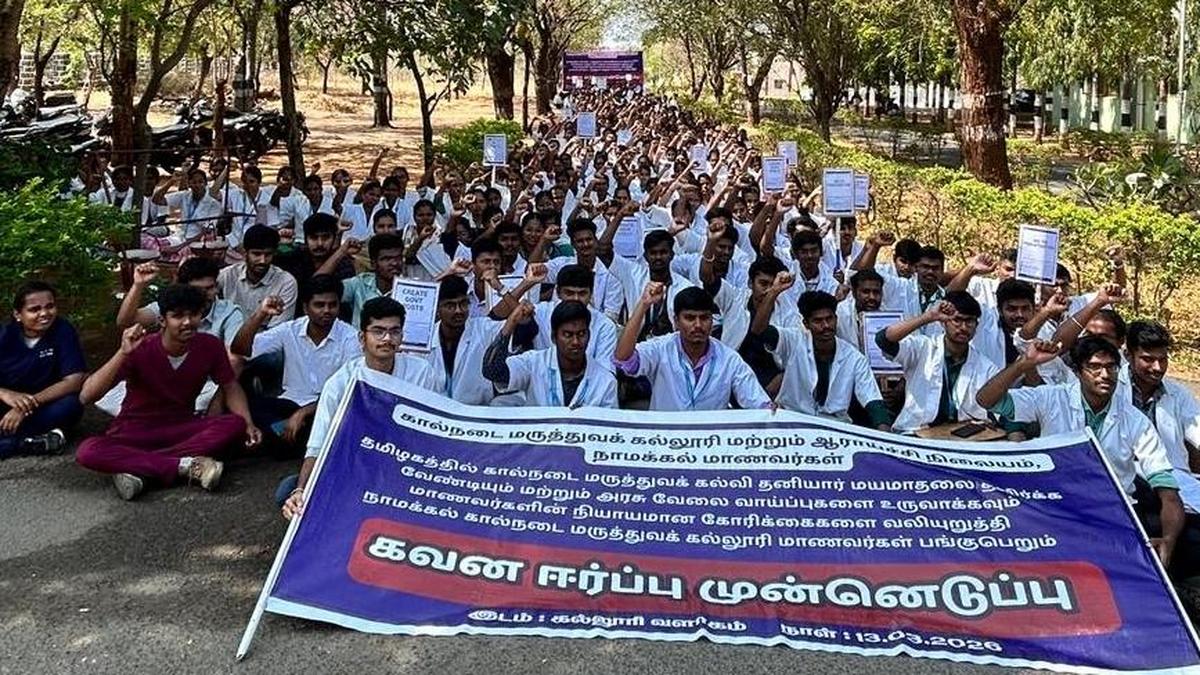
Veterinarians across Tamil Nadu are calling on the state government to cancel a proposal that would allow private companies to open veterinary colleges. These professionals argue that moving away from a government-led education system could hurt the quality of animal healthcare. They believe that private institutions might focus more on profit than on providing the high-level training needed for this field. The group is asking the government to focus on improving existing state-run colleges instead of opening the door to private players.
Main Impact
The biggest concern regarding this proposal is the potential drop in educational standards. Veterinary medicine requires hands-on practice with many types of animals, which is very expensive to provide. If private colleges open, there is a fear that they may not invest enough in the necessary clinics and farms. This could lead to a situation where graduates have degrees but lack the practical skills to treat livestock and pets effectively. Furthermore, an increase in the number of graduates could lead to a job shortage, making it harder for new vets to find stable work.
Key Details
What Happened
The debate started when news surfaced that the state was considering applications from private entities to start veterinary science programs. In response, various veterinary associations held meetings to voice their opposition. They sent formal requests to the state government and the Veterinary Council of India. Their main goal is to ensure that veterinary education remains under strict public control to maintain high standards and fair access for students from all backgrounds.
Important Numbers and Facts
Currently, Tamil Nadu is home to several well-regarded government veterinary colleges under the Tamil Nadu Veterinary and Animal Sciences University (TANUVAS). These institutions offer a set number of seats each year based on the actual needs of the state's animal husbandry department. Veterinarians point out that the current system already produces enough graduates to meet the demand. They warn that adding hundreds of new seats through private colleges could create a surplus of over 1,000 unemployed veterinarians within just a few years.
Background and Context
Veterinary education is different from many other types of schooling. It requires large hospitals, specialized labs, and farms with cattle, goats, and poultry for students to learn. In the past, the government has been the primary provider of this education because it is so costly to run. By keeping it public, the state ensures that even students from poor families can become doctors for animals. Veterinarians worry that private colleges will charge very high fees, which would make the profession accessible only to the wealthy. They also point to other states where private colleges have struggled to provide proper training facilities, leading to poor outcomes for students.
Public or Industry Reaction
The reaction from the veterinary community has been strong and united. Members of the Tamil Nadu Veterinary Assistant Surgeons Association have been vocal about the risks. They argue that the government should spend its budget on filling vacant positions in rural animal dispensaries rather than helping private businesses enter the education sector. Farmers have also expressed some concern. They rely on skilled veterinarians to keep their livestock healthy. If the quality of training goes down, farmers fear they will lose more animals to disease, which would hurt their income and the state's food supply.
What This Means Going Forward
If the government listens to the veterinarians, the proposal for private colleges will be put on hold. This would mean the state would continue to rely on TANUVAS to train the next generation of animal doctors. However, if the proposal moves forward, we could see the first private veterinary colleges opening in Tamil Nadu within a year or two. This would likely lead to more protests and legal challenges from professional groups. The next step will be a formal decision from the state animal husbandry department, which must balance the desire for more educational options with the need to keep standards high.
Final Take
Protecting the quality of veterinary medicine is vital for both animal welfare and the economy. While expanding education options can sometimes be good, it must not happen at the expense of professional standards. The government must carefully listen to the experts who work in the field every day. Strengthening the current public system appears to be a safer and more effective way to support the state's animal healthcare needs than allowing private colleges to take over.
Frequently Asked Questions
Why are veterinarians against private colleges?
They are worried that private colleges will prioritize making money over providing high-quality training and expensive medical facilities for students.
Will private colleges make it easier to become a vet?
While there might be more seats available, the cost of tuition would likely be much higher than in government colleges, making it harder for many students to afford.
How does this affect farmers in Tamil Nadu?
Farmers depend on well-trained vets to care for their animals. If education standards fall, the quality of care for livestock could decrease, leading to financial losses for farmers.



