
Summary
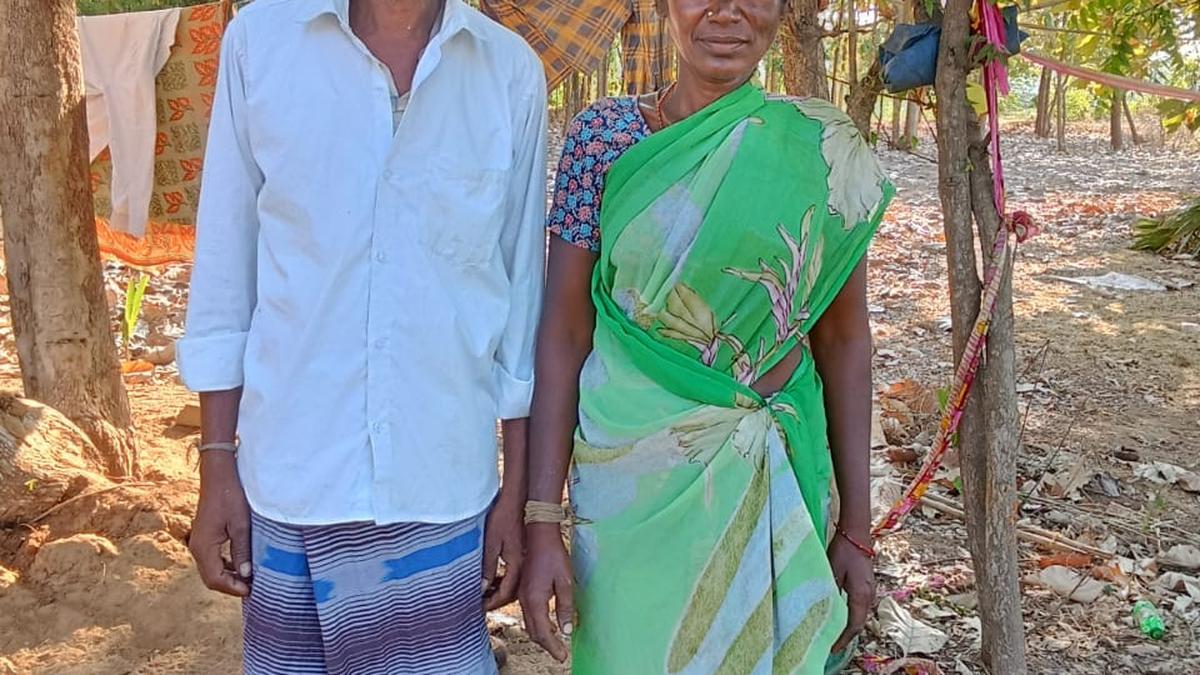
Two couples from a Scheduled Tribe community in Tamil Nadu have made history in their local area by voting for the first time. Although they have lived in the region for many years, they only recently received their official voter identification cards. This milestone happened during the 2026 elections, marking a major step toward total inclusion for marginalized groups in the state. Their participation shows the ongoing efforts to ensure every citizen can use their right to vote, regardless of where they live or their social background.
Main Impact
The primary impact of this event is the symbolic and practical inclusion of remote tribal populations in the democratic process. For a long time, many people living in tribal settlements have felt disconnected from the government because they lacked basic documents. By getting these voter IDs and casting their ballots, these two couples have gained a formal voice in how their country and state are run. This development encourages other members of their community to seek registration and participate in future elections, which helps the government understand the needs of people living in remote areas.
Key Details
What Happened
During the current election cycle in Tamil Nadu, two couples belonging to a Scheduled Tribe group walked to their local polling station to cast their votes. For these individuals, the experience was entirely new. They had spent most of their lives without the paperwork needed to prove their identity for voting purposes. Local officials and social workers helped them navigate the registration process over the past few months. Once their voter IDs were issued, they were finally added to the electoral rolls, allowing them to participate in the 2026 polls.
Important Numbers and Facts
The event took place on April 23, 2026, during the general voting period in Tamil Nadu. While the exact ages of the couples were not listed, they are adults who have waited decades for this opportunity. In many tribal regions of India, the percentage of registered voters is often lower than in cities due to a lack of permanent addresses or birth records. The government has been running special camps to fix this. In this specific district, these four individuals represent a growing trend of first-time voters from older generations who are finally being recognized by the state.
Background and Context
In India, Scheduled Tribes often live in hilly or forested areas that are hard to reach. Because of their isolation, many families do not have easy access to government offices where ID cards are made. Without a voter ID, a person cannot vote, and they often struggle to access government welfare programs, health services, or food subsidies. For many years, these communities stayed away from the polling booths because they did not have the right papers. In recent years, the Election Commission has made a bigger effort to go into these remote areas. They use mobile units and local volunteers to find people who are not yet on the voting list and help them sign up.
Public or Industry Reaction
Local community leaders have praised the move, calling it a victory for equality. Many people in the village gathered to celebrate as the couples returned from the polling station with ink on their fingers. Social activists noted that while this is a happy story, it also highlights how much work is left to do. They pointed out that there are likely hundreds of other people in similar tribal settlements who still do not have the documents they need. Government officials stated that seeing these couples vote serves as an inspiration for the rest of the district. They hope this will show others that the registration process is now easier and more welcoming than it was in the past.
What This Means Going Forward
Moving forward, this event will likely lead to more intense registration drives in tribal regions. The government wants to ensure that no one is left out of the voting process because of where they live. For the couples involved, having a voter ID means more than just being able to vote. It gives them a legal identity that they can use to open bank accounts or apply for housing help. As more tribal members get their IDs, political parties may also start paying more attention to the specific problems these communities face, such as the need for better roads, schools, and clean water in remote settlements.
Final Take
The story of these two couples is a reminder that democracy works best when it includes everyone. Even though it took a long time for them to get their voter IDs, their first trip to the polling station is a significant win for civil rights in Tamil Nadu. It shows that with the right help and a focus on outreach, the gap between remote communities and the government can be closed. Every single vote is a building block for a fair society, and seeing these new voters participate is a positive sign for the future of the country.
Frequently Asked Questions
Why did it take so long for these couples to vote?
Many people in remote tribal areas lack the official documents, like birth certificates or proof of address, needed to apply for a voter ID. Without these papers, they cannot register to vote.
How did they finally get their voter IDs?
Local government officials and volunteers conducted outreach programs. They visited the tribal settlements to help residents fill out the necessary forms and verify their identities on the spot.
Is this common in other parts of India?
Yes, there are still many remote communities across India where people are voting for the first time. The government continues to run special campaigns to find and register these "missing" voters before every major election.



