
Summary
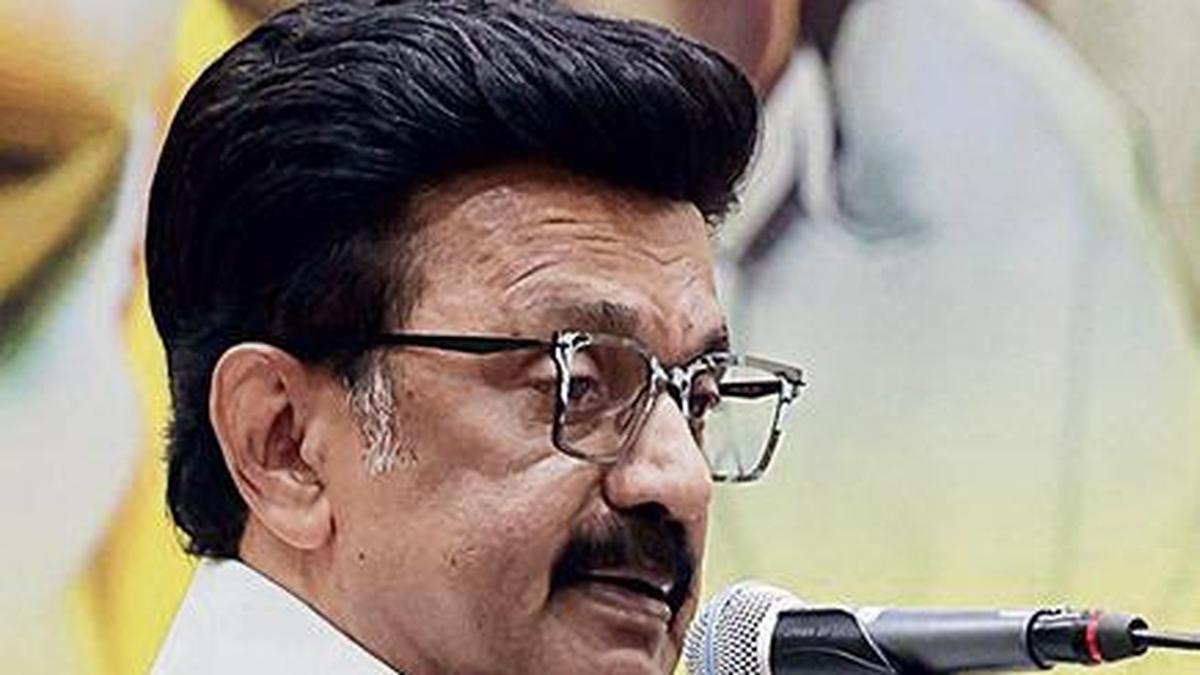
Tamil Nadu Chief Minister M.K. Stalin has called for strong legal protections to keep the current number of seats each state has in Parliament. He believes that redrawing electoral boundaries based on new population data could unfairly reduce the political power of states that have successfully controlled their population growth. This statement comes as the central government considers using updated census figures to implement new laws, including reservation for women in legislatures.
Main Impact
The primary concern raised by the Chief Minister is the potential loss of political influence for states in Southern India. If the number of seats in Parliament is decided strictly by the latest population numbers, states with high birth rates will gain more representatives. Meanwhile, states like Tamil Nadu, which followed national goals to slow population growth, would see their share of power shrink. This shift could change how national policies are made and how resources are shared across the country.
Key Details
What Happened
Chief Minister Stalin issued a formal statement urging the central government to ensure that the current proportional representation of states remains unchanged. He argued that any move to redraw boundaries, a process known as delimitation, must not penalize states for their social and health achievements. The timing of this demand is linked to reports that the 2011 Census or even newer data might be used to set up the 33% reservation for women in Parliament and state assemblies.
Important Numbers and Facts
The process of delimitation involves redrawing the borders of voting districts to make sure each representative serves a similar number of people. For many years, the number of seats in the Lok Sabha has been frozen to prevent states from losing power due to successful family planning. However, this freeze is set to end soon. If new seats are added based only on population, some estimates suggest that Northern states could gain dozens of seats, while Southern states would stay the same or gain very few, making their voices less effective in the national government.
Background and Context
In India, the number of members a state sends to the Lok Sabha is generally based on its population. In the 1970s, the government realized that this system might discourage states from promoting family planning. To solve this, they decided to stop changing the number of seats based on new census data for several decades. This allowed states to focus on education and healthcare without worrying about losing their political voice.
Now, as the government prepares for a new census and the implementation of the Women’s Reservation Act, the issue has returned. Leaders in South India argue that they have contributed significantly to the country’s economy and social progress. They feel it is unfair to give more political power to regions that have not made the same progress in managing population growth.
Public or Industry Reaction
Political leaders and experts in Southern India have voiced strong support for Stalin’s position. Many argue that the current system of "one person, one vote" needs to be balanced with the principle of "federalism," which means respecting the rights and status of individual states. There is a growing worry among regional parties that a shift in seat distribution will lead to a situation where a few large states can decide the fate of the entire country, leaving others with little say in major decisions.
What This Means Going Forward
The central government faces a difficult task in the coming years. It must find a way to update voting districts so that they are fair to voters, while also ensuring that states are not punished for their success in social programs. One possible solution being discussed is to increase the total number of seats in Parliament significantly so that no state actually loses its current number of representatives. However, even if no state loses seats, the percentage of influence held by states like Tamil Nadu would still drop if other states gain many more seats.
The call for constitutional safeguards means that leaders want a permanent rule written into the law. This rule would guarantee that the balance of power between different regions of India stays the same, regardless of how population numbers change in the future.
Final Take
The debate over delimitation is about more than just numbers on a map; it is about the fairness of the democratic system. If states feel that their success in areas like healthcare and education leads to a loss of political power, it could create tension between different parts of the country. Ensuring that every state feels represented and valued is essential for keeping the nation united and stable as it moves toward future elections.
Frequently Asked Questions
What is delimitation?
Delimitation is the process of redrawing the boundaries of assembly or parliamentary seats to ensure that each seat has a roughly equal number of voters based on the latest population data.
Why is the Tamil Nadu CM concerned about it?
He is concerned because Tamil Nadu has successfully controlled its population growth. If seats are redistributed based only on population, states with higher growth will get more seats, reducing Tamil Nadu's influence in Parliament.
How does this relate to women's reservation?
The government plans to reserve 33% of seats for women, but this change is expected to happen only after a new census and delimitation process are completed. This has brought the seat-sharing issue back into the spotlight.



