
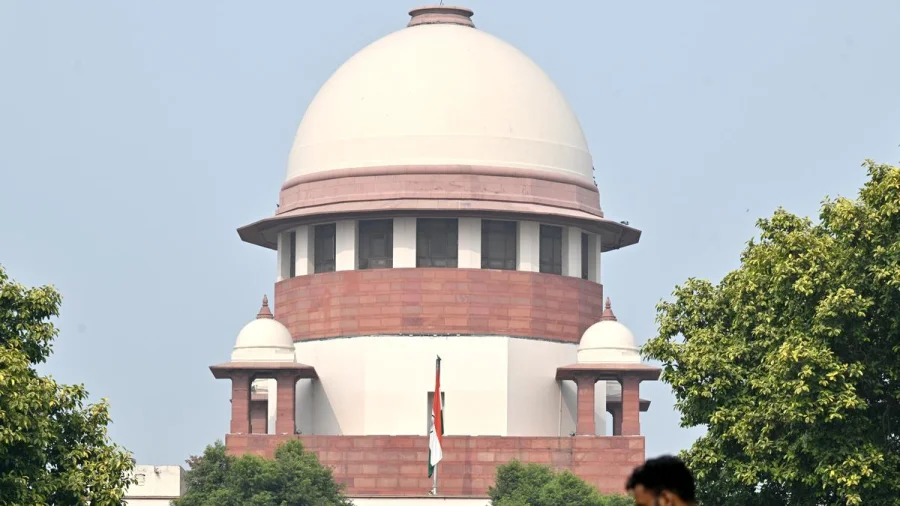
For families in Tamil Nadu who changed their faith but carry the same social and educational disadvantages, this case could decide whether their children still qualify for reservation. The Supreme Court will now settle that question.
The Argument Tamil Nadu Took to Court
The state has formally defended its power to provide quota to Muslim converts from backward classes. According to the original story, the state said the object behind its government order of March 9, 2024 was to ensure that "persons belonging to socially and educationally backward communities are not deprived of reservation benefits solely on account of conversion to Islam."
A Case That Could Shape Reservation Policy
At the heart of the dispute is a constitutional question: how much authority does a state government hold to decide who remains eligible for reservation after religious conversion? The Supreme Court's decision will not only settle Tamil Nadu's position but could also frame how similar claims are examined elsewhere in the country.
What the March 9, 2024 Order Actually Says
The legal battle revolves around the government order issued on March 9, 2024. Through this order, Muslim converts from socially and educationally backward communities remain eligible for reservation benefits. The state's argument treats conversion as a matter of faith — not as a factor that erases social and educational backwardness.
What Remains Unknown Before the Verdict
The exact grounds of challenge and the next hearing date are not confirmed in the source material. What is verified is this: the Supreme Court will decide the matter, and Tamil Nadu has officially placed its defence on record.
What a Ruling Either Way Would Mean
If the court upholds the state's position, existing reservation benefits for Muslim converts from backward classes in Tamil Nadu remain protected. If the order is struck down, the state would likely have to reconsider its policy — with direct consequences for families depending on these benefits for education and government employment.
Our Take
This is more than a legal technicality. It cuts into a sensitive area of Indian social policy — whether conversion to another religion can cancel out generations of social and educational disadvantage. The state's defence argues it cannot. The Supreme Court's answer will now define where the law stands on that principle.
Frequently Asked Questions
What is the Tamil Nadu government order of March 9, 2024 about?
The order aims to ensure that persons belonging to socially and educationally backward communities are not deprived of reservation benefits solely because they converted to Islam.
Why has Tamil Nadu defended its power in the Supreme Court?
The state has argued that it has the power to provide quota to Muslim converts from backward classes, and that the March 2024 order was designed specifically to prevent loss of benefits purely on account of conversion.
When will the Supreme Court decide the case?
The exact hearing schedule is not confirmed in the available material. What is confirmed is that the Supreme Court is set to decide on the matter.
Who will be affected by the Supreme Court's decision?
Muslim converts from socially and educationally backward communities in Tamil Nadu who rely on reservation benefits for education and jobs would be directly affected. The verdict could also influence how other states frame similar policies.



