
Summary
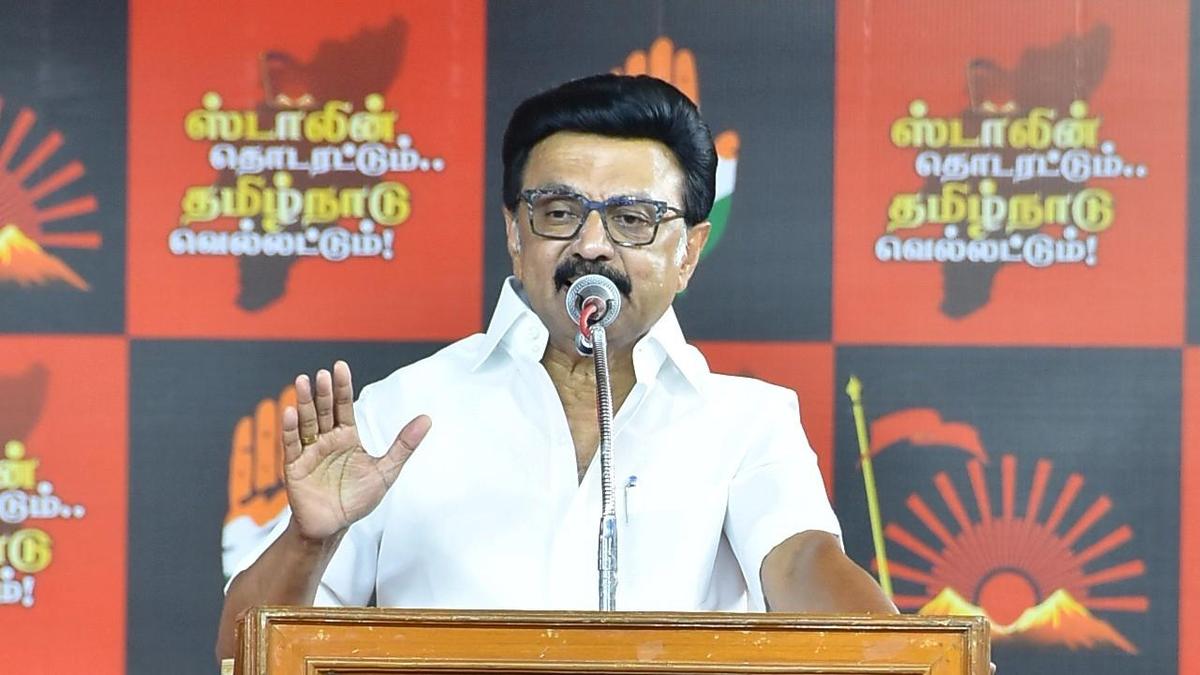
A sharp political disagreement has broken out between Tamil Nadu Chief Minister M.K. Stalin and the Union Education Minister. The debate centers on the "three-language formula" and how languages are taught in schools across the state. Chief Minister Stalin claims the central government is neglecting the Tamil language in federal schools. Meanwhile, the Union Minister argues that the state government is preventing students from gaining the skills they need to succeed in a global market.
Main Impact
This public clash has brought the long-standing issue of language policy back to the center of political discussion. As Tamil Nadu prepares for upcoming elections, the debate over how many languages children should learn is becoming a key talking point. The disagreement affects how schools are run and how teachers are hired. It also touches on deep feelings about cultural identity and the future of the youth in the state.
Key Details
What Happened
Chief Minister M.K. Stalin recently voiced strong concerns about the way Kendriya Vidyalayas (KVs) operate in Tamil Nadu. KVs are schools run by the central government. Stalin pointed out that Tamil is not a mandatory subject in these schools. He also stated that the central government has not hired enough Tamil teachers to meet the needs of the students. He believes this shows a lack of respect for the local language and culture.
The Union Education Minister responded by defending the central government's National Education Policy. He accused the DMK, which is the ruling party in Tamil Nadu, of creating unnecessary barriers. The Minister argued that by opposing the three-language formula, the state government is denying young people the chance to become "multilingual global leaders." He suggested that learning more than two languages is essential for modern careers.
Important Numbers and Facts
The debate focuses on the difference between the two-language policy and the three-language formula. Tamil Nadu has followed a two-language rule for many years, focusing on Tamil and English. The central government’s plan suggests that students should learn three languages: the state language, English, and one other Indian language. Critics in the state fear this third language will often be Hindi, which has been a point of protest for decades.
Reports show that there are hundreds of Kendriya Vidyalayas across India, including many in Tamil Nadu. The Chief Minister highlighted that without enough qualified Tamil teachers in these schools, the local language cannot be taught effectively. This lack of staff is a major part of the current argument between the state and the center.
Background and Context
Language has always been a very important topic in Tamil Nadu politics. For over fifty years, the state has resisted efforts to make Hindi a compulsory subject in schools. Many people in the state feel that their local language, Tamil, is a vital part of their history and should be protected at all costs. The DMK party has often led these efforts to keep the two-language system in place.
On the other side, the central government believes that a unified education policy will help students move more easily between different states for work. They argue that knowing more languages makes a person more competitive in the job market. This difference in goals—protecting local culture versus promoting national mobility—is the root of the current conflict.
Public or Industry Reaction
The reaction to this clash has been mixed. Many parents in Tamil Nadu support the Chief Minister. They want their children to have a strong foundation in their mother tongue and fear that adding another language might be too much for students. They also worry that the central government is trying to push a specific cultural agenda through schools.
However, some education experts and business leaders agree with the Union Minister. They point out that in a world where people travel for work, being able to speak multiple Indian languages can be a big advantage. Some private schools in the state already offer more than two languages, and some parents choose these schools specifically for that reason. The debate has sparked many conversations on social media and in local communities about what is best for the next generation.
What This Means Going Forward
As the elections get closer, both the state and central governments are likely to stand firm on their positions. This could lead to further delays in educational reforms or changes in how schools are funded. If the central government continues to push the three-language formula, it may face more protests from local leaders. If the state government continues to block it, there may be ongoing debates about whether students are missing out on opportunities.
The hiring of teachers will also be a key issue to watch. If the central government decides to hire more Tamil teachers for KVs, it could help reduce some of the tension. However, the core disagreement over the number of languages taught in schools is not likely to be solved quickly. It remains a sensitive topic that involves both education and political power.
Final Take
The argument between Chief Minister Stalin and the Union Minister is about more than just school books. It is a struggle over who gets to decide how children are raised and what values they are taught. While the central government looks at language as a tool for work and travel, the state government sees it as the heart of their culture. Finding a way to balance these two views will be the biggest challenge for leaders in the coming years.
Frequently Asked Questions
What is the three-language formula?
It is an education plan where students learn three languages: their regional language, English, and another Indian language. The goal is to help students communicate across different parts of the country.
Why does Tamil Nadu prefer a two-language policy?
Tamil Nadu has a long history of protecting the Tamil language. Leaders believe that focusing on Tamil and English is enough for students to succeed while keeping their cultural identity strong.
What are the complaints about Kendriya Vidyalayas?
The Tamil Nadu government says these schools do not make Tamil a mandatory subject and do not hire enough teachers who can teach in the local language, which they feel ignores the needs of local students.



