
Summary
The Tamil Nadu government has officially extended the ban on mayonnaise made with raw eggs for another year. This decision was made to protect public health and prevent widespread food poisoning cases across the state. By continuing this restriction, the government aims to ensure that food served in restaurants and by street vendors meets safety standards. This move follows a series of health scares linked to contaminated food items in recent years.
Main Impact
The primary impact of this extension is on the food service industry, particularly shops that sell popular items like Shawarma, grilled chicken, and burgers. These businesses are strictly prohibited from preparing or serving mayonnaise made from raw eggs. Instead, they must use eggless versions or commercially produced mayonnaise that has been pasteurized to kill harmful bacteria. This rule helps reduce the risk of salmonella infections, which can cause severe stomach pain, fever, and dehydration.
Key Details
What Happened
The Commissioner of Food Safety in Tamil Nadu issued a formal notification to keep the ban in place for an additional twelve months. The government first introduced this ban after several people fell ill, and some even lost their lives, after eating food paired with spoiled mayonnaise. Health inspectors found that many shops were not storing the sauce at the correct temperature, leading to rapid bacterial growth.
Important Numbers and Facts
The order was issued under the Food Safety and Standards Act of 2006. This law gives the government the power to stop the sale of any food item that is considered a threat to public health. The ban applies to all food business operators, including large hotels, small cafes, and roadside stalls. Under the current rules, mayonnaise made with raw eggs is considered an "unsafe food" because of its short shelf life and high risk of contamination in tropical climates.
Background and Context
Mayonnaise is a thick, creamy sauce usually made by mixing oil, lemon juice or vinegar, and egg yolks. In traditional recipes, the eggs are used raw. While this is common in many parts of the world, it poses a significant danger in hot and humid regions like Tamil Nadu. Bacteria like Salmonella thrive in raw eggs. If the mayonnaise is left out at room temperature for even a short time, it can become a breeding ground for germs.
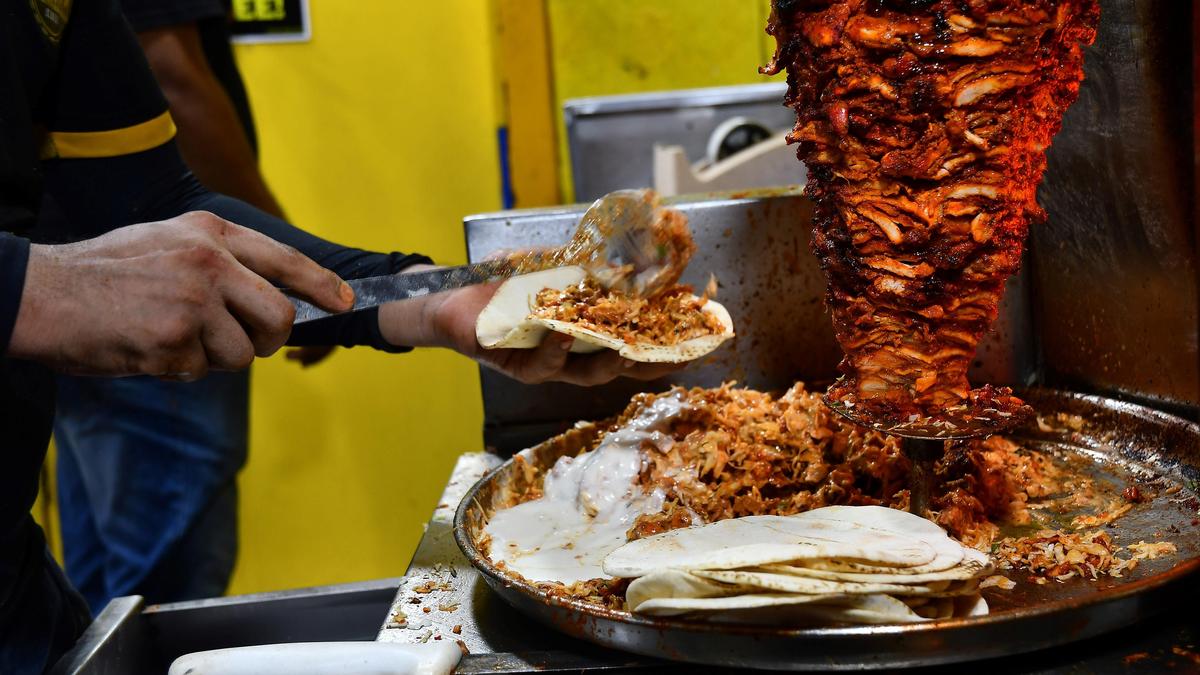
The issue became a major public concern after several food poisoning outbreaks were reported in South India. In many cases, the common factor was Shawarma—a meat dish often served with a large amount of mayonnaise. Because Shawarma stalls are often located outdoors, the sauce is exposed to heat and dust, making it spoil even faster. The government decided that the best way to stop these incidents was to ban the use of raw eggs in the sauce entirely.
Public or Industry Reaction
Health experts and doctors have praised the government's decision. They argue that food safety should always come before taste or tradition. Many doctors have seen a decrease in emergency room visits related to food poisoning since the ban was first introduced. They believe that keeping the ban will help maintain this positive trend.
On the other hand, some restaurant owners have expressed concerns about the cost and taste of eggless alternatives. However, most have complied with the rules to avoid heavy fines or having their shops shut down. Many customers have also become more aware of the risks and now specifically ask for eggless mayonnaise or avoid the sauce altogether when eating out.
What This Means Going Forward
Food safety officers will continue to conduct surprise checks at restaurants and food stalls across the state. If a business is caught using raw egg mayonnaise, they could face strict legal action, including the cancellation of their food license. The government is also expected to run awareness campaigns to teach food handlers about proper hygiene and storage methods.
For the general public, this means a safer dining experience. However, people are still advised to be careful when eating at places that do not follow basic cleanliness rules. The government may consider making this ban permanent if the risk of food-borne illnesses remains high in the coming years.
Final Take
The extension of the mayonnaise ban shows that the Tamil Nadu government is taking food safety seriously. While it might change the way some favorite snacks taste, the trade-off is a much lower risk of getting sick. Public health is a top priority, and strict rules like this are necessary to keep everyone safe in a hot climate where food can spoil in an instant.
Frequently Asked Questions
Why is raw egg mayonnaise banned in Tamil Nadu?
It is banned because raw eggs can carry Salmonella bacteria. In the hot weather of Tamil Nadu, this bacteria grows quickly, leading to severe food poisoning.
Can restaurants still serve any kind of mayonnaise?
Yes, restaurants can serve eggless mayonnaise or commercially made mayonnaise that has been heat-treated (pasteurized) to make it safe for consumption.
How long will this ban last?
The government has extended the ban for one more year, but it could be extended again in the future depending on food safety reports.



