
Summary
The Tamil Nadu government has announced a new electricity subsidy to help the food industry cope with rising fuel costs. Chief Minister M.K. Stalin confirmed that hotels and cloud kitchens using electric stoves will receive a discount of ₹2 per unit of electricity. This decision comes as a response to the ongoing shortage of Liquefied Petroleum Gas (LPG) caused by the conflict in West Asia. The move is designed to protect small businesses and keep food prices stable for the general public.
Main Impact
This policy change will have a direct effect on the daily operating costs of thousands of food businesses across the state. By offering a ₹2-per-unit discount, the government is making it more affordable for restaurants to move away from traditional gas-based cooking. This shift is expected to reduce the heavy reliance on imported gas, which has become expensive and hard to find due to global tensions. For the average customer, this could mean that the price of a meal stays the same even as global energy prices fluctuate.
Key Details
What Happened
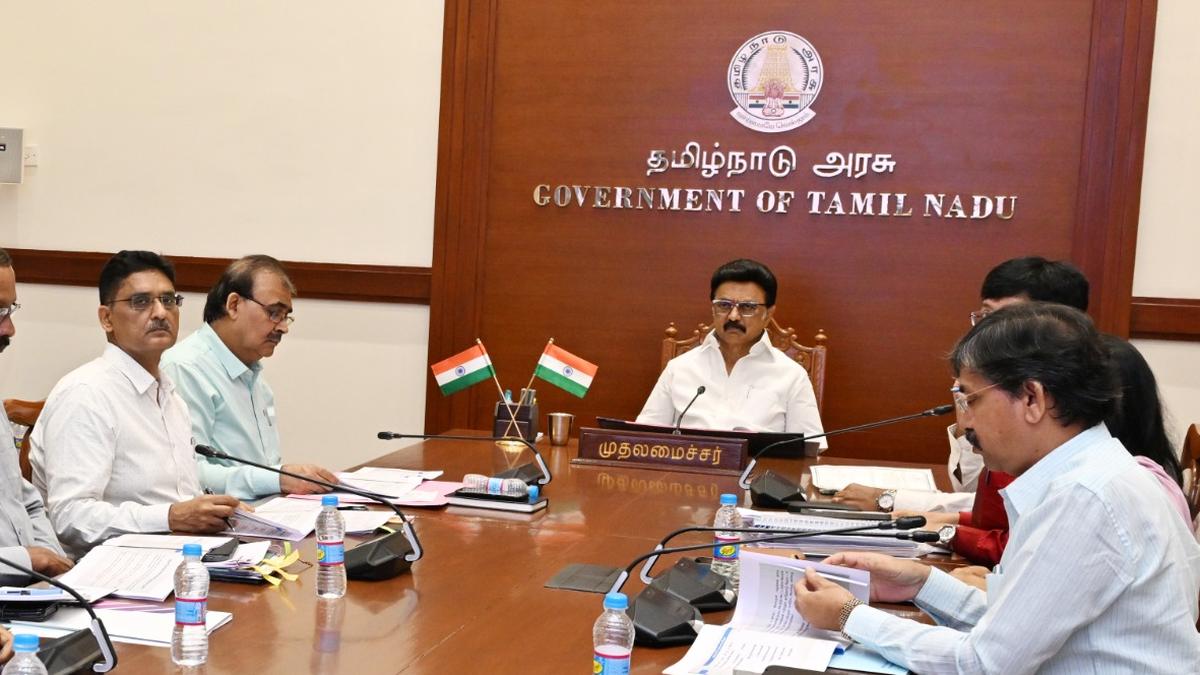
Chief Minister M.K. Stalin held a high-level meeting to address the energy crisis affecting the state's commercial sector. During this meeting, officials discussed how the war in West Asia has made it difficult to maintain a steady supply of LPG. To solve this, the government decided to encourage the use of electric cooking equipment. The subsidy is a financial incentive for business owners to invest in electric stoves and induction technology instead of waiting for gas deliveries that may be delayed or overpriced.
Important Numbers and Facts
The most significant figure in this announcement is the ₹2-per-unit reduction in electricity costs. This applies specifically to commercial connections registered as hotels or cloud kitchens. Cloud kitchens, which are delivery-only food businesses, have become a major part of the local economy and often operate with very thin profit margins. The government aims to implement this change quickly to prevent a supply chain breakdown in the food service industry. The subsidy will be managed through the state power utility, ensuring that the benefits reach the business owners directly through their monthly bills.
Background and Context
To understand why this matters, it is important to look at how food is cooked on a large scale. Most commercial kitchens in India rely heavily on large LPG cylinders. However, India imports a significant portion of its gas from other countries. When a war or conflict happens in West Asia, it disrupts the shipping routes and the production of fuel. This leads to a shortage in the local market and causes prices to jump significantly.
In recent months, the uncertainty in the global market has made it hard for hotel owners to plan their budgets. If the cost of gas goes up, they usually have to increase the price of their food. By switching to electricity, these businesses can use power generated within the country, which is often more stable in price and supply. This move also aligns with broader goals to use more modern and efficient cooking methods.
Public or Industry Reaction
The food service industry has generally welcomed the news. Many small restaurant owners have struggled with the rising cost of commercial gas cylinders over the past year. Industry groups have noted that while the initial cost of buying electric stoves can be high, the ₹2-per-unit subsidy makes the long-term operation much cheaper. Cloud kitchen operators, who rely on high-volume cooking and delivery, see this as a vital lifeline that will help them stay in business during a difficult economic period.
Some experts also point out that this could lead to a cleaner working environment. Electric kitchens are often cooler and safer than those using open gas flames. However, some older establishments have raised concerns about the cost of upgrading their electrical wiring to handle heavy-duty stoves. They are hoping for additional support or low-interest loans to help with the transition to electric equipment.
What This Means Going Forward
This decision marks a shift in how the state manages energy for businesses. If successful, it could serve as a model for other states facing similar fuel shortages. The government will likely monitor the uptake of this subsidy to see how many businesses actually make the switch. In the long run, this could lead to a permanent change in the way commercial food is prepared in Tamil Nadu.
There is also the possibility that this will encourage the development of more efficient electric cooking technology within the state. As demand for electric stoves grows, local manufacturers may increase production. The main challenge will be ensuring that the power grid can handle the increased demand as more large kitchens stop using gas and start using electricity at the same time.
Final Take
The Tamil Nadu government is taking a practical step to shield local businesses from global instability. By linking the electricity subsidy to the use of electric stoves, they are solving two problems at once: the immediate gas shortage and the need for more modern energy use. This policy provides a clear path for hotels and cloud kitchens to lower their costs while ensuring that the public continues to have access to affordable food.
Frequently Asked Questions
Who is eligible for the ₹2 electricity subsidy?
The subsidy is available for hotels and cloud kitchens that use electric stoves for their cooking operations instead of gas.
Why did the government introduce this subsidy now?
It was introduced because the war in West Asia has caused a shortage of LPG, making it difficult and expensive for businesses to get cooking gas.
Will this help reduce food prices for customers?
Yes, by lowering the operating costs for restaurants, the government hopes to prevent businesses from raising their food prices due to high fuel costs.



