
Summary
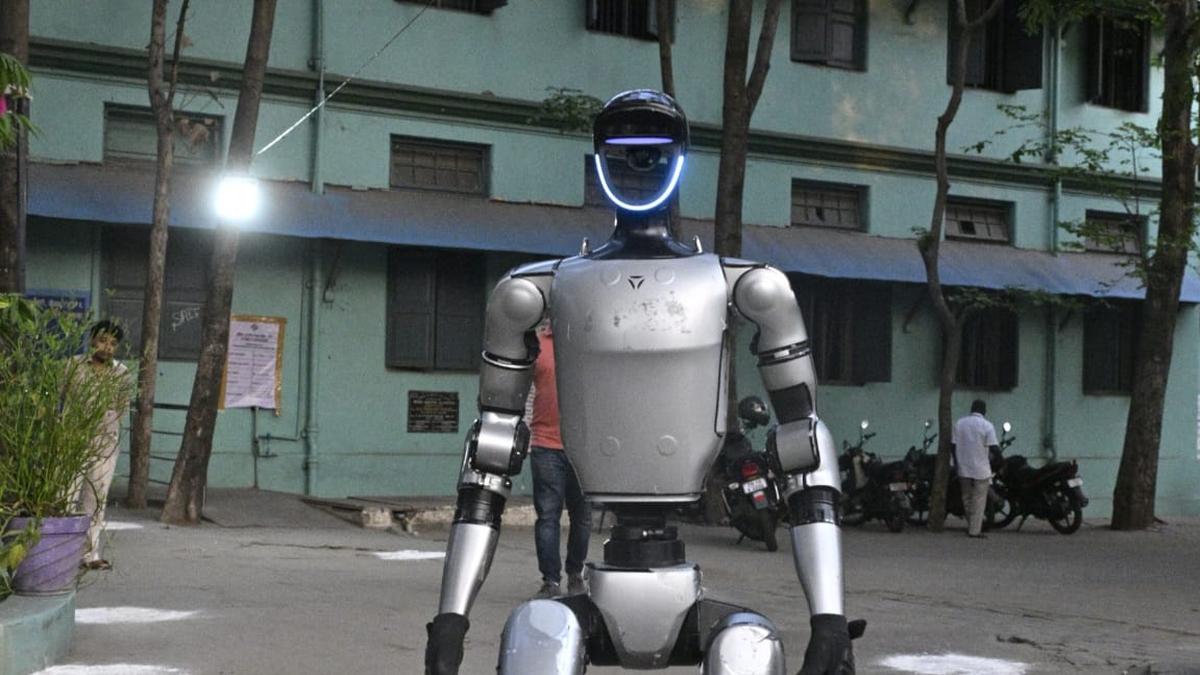
During the recent elections in Tamil Nadu, officials in the Vellore district introduced a modern twist to the voting process. Robots were stationed at specific polling booths to welcome and assist citizens as they arrived to cast their votes. This initiative was part of a pilot program to see how automation can help manage large crowds and improve the overall experience for the public. While the technology was only used in a few locations, it drew significant attention from voters and local media.
Main Impact
The introduction of robots at polling stations changed the traditional atmosphere of the election day. Usually, voters are met by long lines and busy staff members who are often overwhelmed by the number of people. By using robots to handle basic greetings and directions, the election department managed to create a more organized and tech-forward environment. This move helped reduce the pressure on human workers and provided a unique, helpful service to the community.
Key Details
What Happened
In Vellore, two specific polling stations were equipped with robots that stood at the entrance. These machines were programmed to speak to voters, offering them a warm welcome in the local language. Beyond just saying hello, the robots were designed to provide essential information. They guided people toward the correct rooms and reminded them to keep their identity documents ready. This helped prevent confusion at the door and kept the lines moving steadily throughout the day.
Important Numbers and Facts
The scale of the election in Vellore is quite large, with a total of 1,427 polling booths set up across the district. Out of this large number, officials selected only two booths to test the robotic assistants. This small-scale launch allowed the technical team to monitor the performance of the machines closely without affecting the entire voting network. The robots were active during the peak voting hours when the number of visitors was at its highest.
Background and Context
Elections in India are some of the largest organized events in the world. Managing millions of people in a single day requires a lot of planning and manpower. In recent years, election commissions have been looking for ways to use technology to make the process smoother. Tamil Nadu has often been at the front of these changes, using digital systems for registration and monitoring. The use of robots is a new step in this journey. It reflects a growing trend of using artificial intelligence and automation in public service roles to help citizens navigate government processes more easily.
Public or Industry Reaction
The reaction from the public was a mix of surprise and excitement. Many voters were seen taking photos with the robots, and families bringing children found the machines particularly engaging. First-time voters mentioned that the technology made the experience feel modern and less intimidating. On the professional side, election observers noted that the robots were effective at repeating instructions clearly, which is something human staff might struggle with after many hours of work. However, some people also raised questions about the cost of such technology and whether it could be used in more rural areas where power and internet might be less reliable.
What This Means Going Forward
The success of this small test in Vellore could pave the way for more robots in future elections. If the data shows that these machines truly helped speed up the process or improved voter satisfaction, we might see them in other districts across Tamil Nadu and perhaps even in other states. The next steps will likely involve making the robots more interactive, perhaps by allowing them to scan voter cards or provide information in more languages. However, officials will need to balance the benefits of technology with the costs involved in building and maintaining a large fleet of robots.
Final Take
The sight of robots at a polling booth is a clear sign of how much the world is changing. While the core of voting remains a human right and a human action, the tools we use to support it are becoming more advanced. This experiment in Vellore shows that even small technological additions can make a big difference in how people feel about participating in their local government. It is a glimpse into a future where technology and tradition work together to make public life more efficient for everyone.
Frequently Asked Questions
Why were robots used in the Vellore elections?
The robots were used to greet voters, provide directions to specific rooms, and help manage the flow of people at the polling stations. This was done to make the voting process smoother and more modern.
How many polling booths had these robots?
Out of the 1,427 polling booths in the Vellore district, only two were chosen to have robots as part of a special pilot project to test the technology.
What tasks did the robots perform?
The robots welcomed voters as they arrived and gave out basic information, such as reminding people to have their ID cards ready and showing them where to go to cast their ballots.



