
Summary
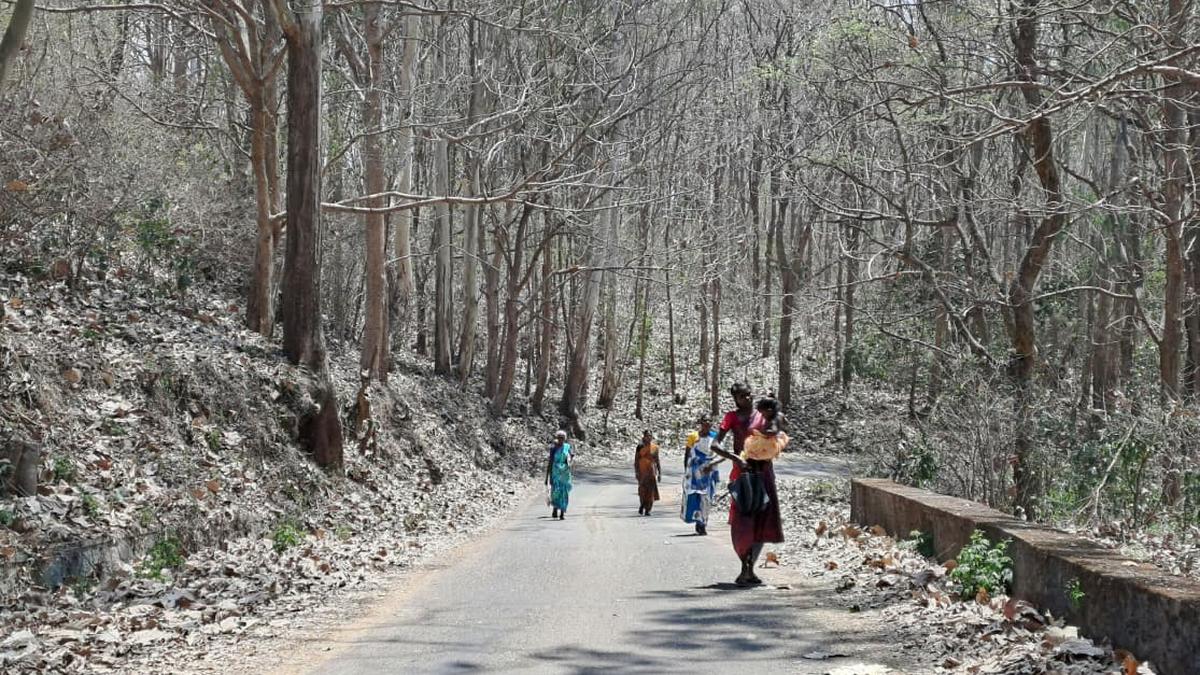
Voters from tribal communities in the Anamalai Tiger Reserve are making a difficult journey to cast their ballots in the 2026 Tamil Nadu assembly elections. Many residents from remote forest hamlets are traveling long distances, often on foot, to reach the nearest polling stations in the Valparai constituency. This effort highlights the strong commitment of these citizens to participate in the democratic process despite facing significant physical challenges and risks from wildlife.
Main Impact
The primary impact of this movement is the high level of civic participation coming from one of the state's most isolated regions. While urban areas often struggle with voter turnout, these tribal groups are showing that distance and danger are not barriers to exercising their right to vote. Their journey brings attention to the ongoing struggle for basic infrastructure and accessibility for forest-dwelling communities in South India.
Key Details
What Happened
As the 2026 elections began, hundreds of people from various tribal settlements inside the Anamalai Tiger Reserve (ATR) started their trek toward polling booths. Because many of these settlements are located deep within protected forest zones, the Election Commission cannot always set up booths directly inside their villages. As a result, men, women, and the elderly gathered in groups to walk through narrow forest paths. They traveled through areas known for sightings of wild animals to reach the designated voting centers located on the outskirts of the forest or in nearby towns.
Important Numbers and Facts
The Valparai constituency is unique because a large portion of its land falls under protected forest areas. Some voters reported walking between 10 to 15 kilometers one way just to reach a road where they might find a vehicle. In several cases, the journey takes several hours under the hot sun. The Anamalai Tiger Reserve is home to various indigenous groups who have lived in these hills for generations. Despite the lack of modern transport, these communities often record high voting percentages, sometimes higher than the state average.
Background and Context
The Anamalai Tiger Reserve is a heavily protected environment. Strict environmental laws often limit the construction of paved roads and permanent buildings within the core forest areas. While these laws help protect nature and wildlife, they make daily life difficult for the tribal people living there. For decades, these residents have asked for better access to healthcare, education, and government services. During election cycles, the difficulty of reaching a polling station becomes a visible symbol of their isolation. They view voting as a way to demand better living conditions and to ensure their rights as forest dwellers are protected by the government.
Public or Industry Reaction
Local activists and social workers have praised the determination of the tribal voters. Many observers note that these citizens face real dangers, including potential encounters with elephants, leopards, and snakes, just to reach the ballot box. There is a growing call from local leaders for the Election Commission to provide more mobile polling stations or dedicated transport for these remote areas. While the government sometimes arranges for jeeps or buses on the main roads, many hamlets are only accessible by foot, leaving the residents to manage the trek on their own.
What This Means Going Forward
The persistence of these voters sends a strong message to the winning candidates and the state government. It shows that the tribal population is active and expects their needs to be addressed in the coming years. Moving forward, there may be more pressure to balance forest conservation with the basic needs of the people living inside the reserve. The Election Commission may also look into using technology or more flexible voting methods in future elections to ensure that no citizen has to risk their safety to vote.
Final Take
The long walk taken by the tribespeople of Valparai is a powerful example of the strength of democracy. Their willingness to trek through miles of forest and face wild animals shows a deep respect for the power of the vote. While their journey is inspiring, it also serves as a reminder that more work is needed to make voting easy and safe for every citizen, regardless of where they live.
Frequently Asked Questions
Why do tribal voters have to walk so far to vote?
Many tribal settlements are located deep inside the Anamalai Tiger Reserve where there are no roads or polling stations. Strict forest laws prevent the construction of new buildings, so voters must travel to the nearest town or forest edge to find a booth.
Are there any dangers during their journey?
Yes, the trek involves walking through thick forests that are home to wild animals like elephants, leopards, and bison. Voters often travel in large groups to stay safe and make noise to keep animals away.
Which constituency does this area belong to?
These forest areas are part of the Valparai assembly constituency in the Coimbatore district of Tamil Nadu. It is one of the most geographically challenging areas for election officials to manage.



