
Summary
In a surprising turn of events during the election season in Tamil Nadu, groups of residents took to the streets to protest. However, they were not protesting against corruption or for better services. Instead, they were angry because they did not receive illegal cash payments from political parties. These residents claimed they were "left out" while their neighbors received money in exchange for their votes. This situation highlights a serious problem where the illegal practice of buying votes has become an open expectation in some communities.
Main Impact
The main impact of these protests is the normalization of electoral bribery. Usually, the exchange of money for votes happens in secret to avoid the law. In this case, the practice became so bold that people felt comfortable demanding their "share" in public. This shift shows that for many, the democratic process has turned into a financial transaction. It creates a massive challenge for election officials who are trying to ensure fair and honest voting. When voters openly ask for bribes, it suggests that the fear of legal consequences has faded.
Key Details
What Happened
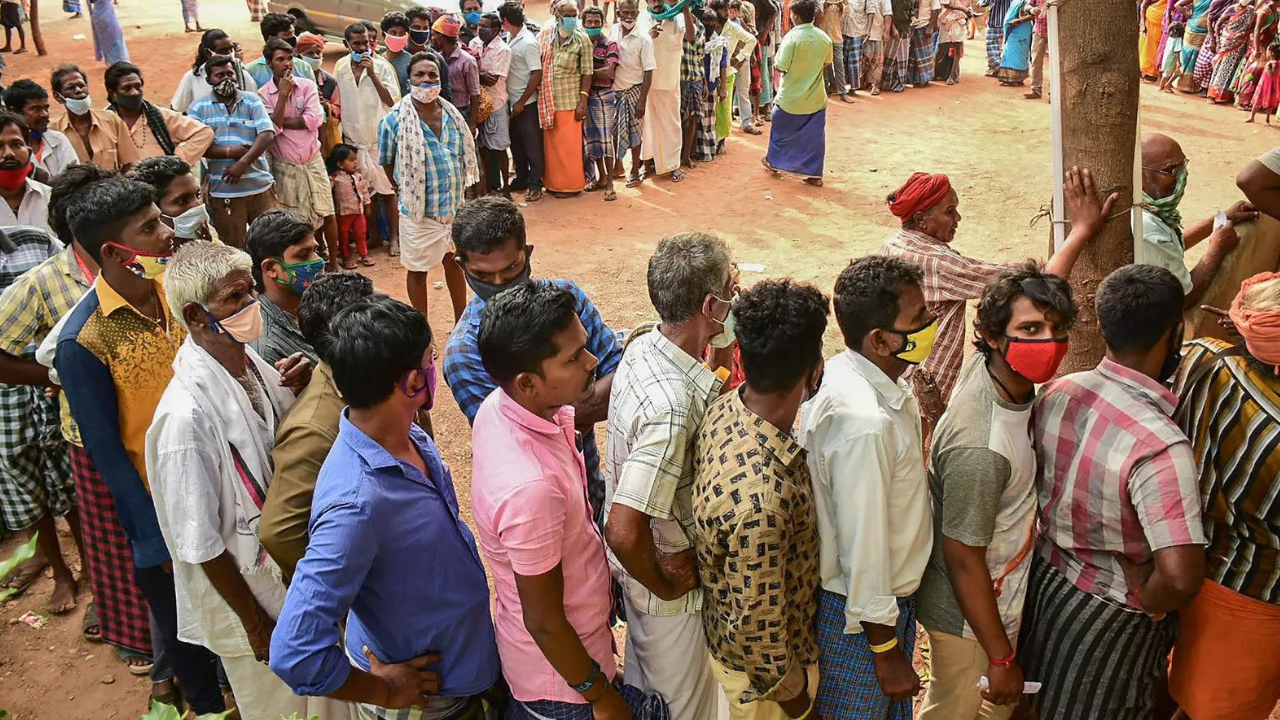
The incidents occurred in several parts of Tamil Nadu as the state prepared for the polls. Residents in specific neighborhoods blocked roads and gathered in front of local party offices. They complained that party workers had visited some houses to hand out envelopes filled with cash but skipped others. In some areas, women led the protests, arguing that it was unfair for only a few families to benefit from the "election gift." They demanded that the political parties treat everyone equally by paying every household the same amount.
Important Numbers and Facts
While the exact amounts varied by location, reports indicated that voters were being offered anywhere from 500 to 2,000 rupees per person. In some highly competitive areas, the price for a single vote was rumored to be even higher. The Election Commission of India (ECI) has been active in the state, seizing hundreds of crores in cash, gold, and liquor meant for distribution. Despite these massive seizures, the protests prove that a significant amount of money still reaches the ground level. Authorities have deployed thousands of flying squads to monitor these activities, but the sheer scale of the distribution makes it hard to stop every transaction.
Background and Context
Tamil Nadu has a long and troubled history with the "cash-for-vote" system. For decades, political experts have talked about the "Thirumangalam formula," named after a local election where organized cash distribution was first widely reported. Over time, this has created a cycle where political parties feel they cannot win without spending huge sums of money. On the other side, some voters have come to view this money as a right or a small benefit they receive once every few years. This culture makes it very difficult for smaller parties or independent candidates who do not have large budgets to compete fairly.
Public or Industry Reaction
Social activists and election watchdogs have expressed deep concern over these protests. They argue that when people demand money for votes, they lose the right to complain about poor governance or lack of development later. Many experts believe that this behavior destroys the spirit of democracy. On social media, the reaction was mixed. Some people were shocked by the boldness of the protesters, while others pointed out that poverty and inflation make even a small amount of money attractive to struggling families. Election officials have promised to take strict action against both the givers and the takers, but the widespread nature of the problem makes enforcement difficult.
What This Means Going Forward
This event shows that simply seizing cash is not enough to stop electoral corruption. There is a need for a major change in how people think about their votes. Going forward, the Election Commission may need to use more advanced technology, such as digital tracking and AI, to monitor suspicious financial movements. There is also a call for stricter laws that could disqualify candidates if their supporters are caught distributing money. If the trend of demanding cash continues, it could lead to a future where only the wealthiest individuals can hold public office, leaving the voices of the common people unheard.
Final Take
The sight of citizens protesting for the "right" to be bribed is a wake-up call for the country. It shows that the fight for clean elections is not just about catching politicians breaking the law, but also about educating the public. A vote is a powerful tool for change, but its value is lost when it is sold to the highest bidder. For democracy to work, the focus must shift back to policies and leadership rather than cash and gifts.
Frequently Asked Questions
Why were people protesting about cash for votes?
People were protesting because they felt it was unfair that some households in their neighborhood received cash from political parties while they were skipped. They were demanding equal payment for their votes.
Is it illegal to take money for a vote in India?
Yes, both giving and receiving money or gifts in exchange for a vote is a criminal offense under Indian law. It can lead to fines and even prison time for both the candidate and the voter.
What is the Election Commission doing to stop this?
The Election Commission uses flying squads, static surveillance teams, and video monitoring to catch illegal activities. They also encourage citizens to report bribery through apps like cVIGIL, which allows people to send photos or videos of wrongdoing directly to officials.



