
Summary
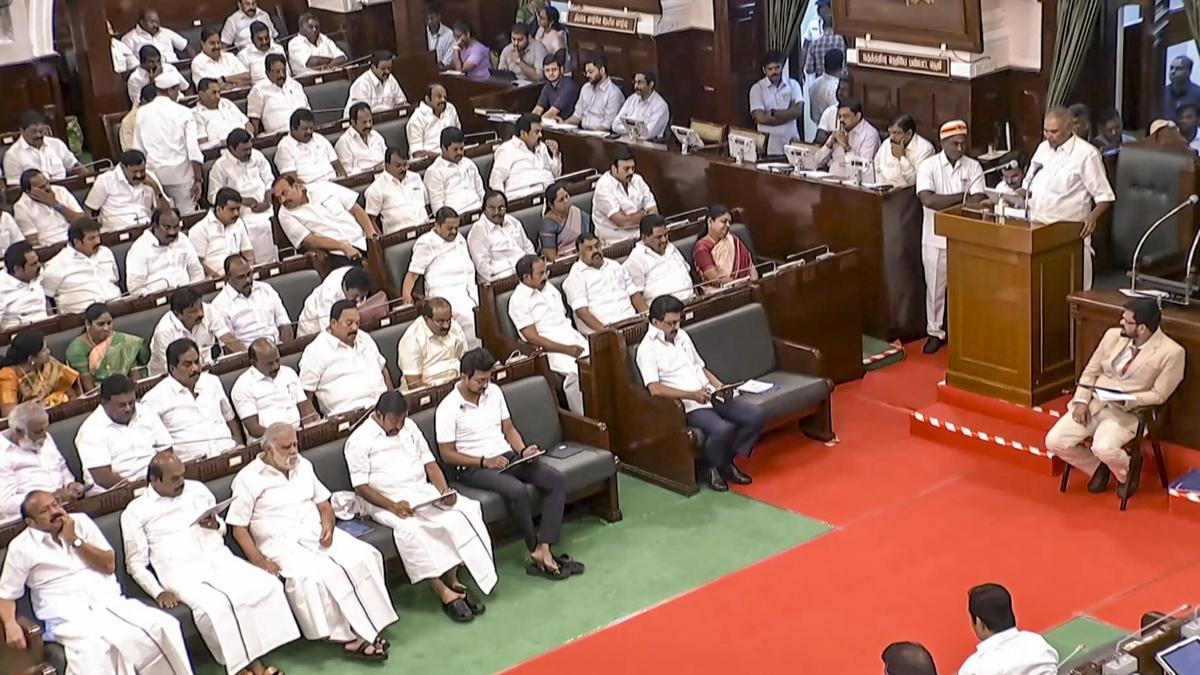
The 16th Assembly of Tamil Nadu is reaching the end of its term, marking a significant period in the state's political history. Formed in 2021, this assembly saw the return of the DMK party to power with a strong majority after a long wait. Led by Chief Minister M.K. Stalin, the government focused on social welfare and state rights during its five-year run. This period was also notable for being the first major term without the presence of veteran leaders like M. Karunanidhi and J. Jayalalithaa.
Main Impact
The biggest impact of the 16th Assembly was the introduction and promotion of the "Dravidian Model" of governance. This approach focused on balancing economic growth with social justice. The government launched several large-scale welfare programs that aimed to help women, students, and workers. By focusing on inclusive growth, the state tried to ensure that development reached people in both cities and rural villages. This era also saw a more vocal stance on state rights, leading to frequent discussions about how much power the central government should have over state matters.
Key Details
What Happened
In the 2021 state elections, the DMK-led alliance won a convincing victory, ending ten years of rule by the AIADMK. M.K. Stalin took office as Chief Minister for the first time. Throughout the term, the assembly passed many important bills, though some faced delays. A major point of tension was the relationship between the state government and the Governor. Many sessions were spent debating the Governor's role in approving bills passed by the elected members. The assembly also took a firm stand against national entrance exams like NEET, passing multiple resolutions to protect the interests of local students.
Important Numbers and Facts
The DMK won 133 seats on its own in the 234-member house, giving it a clear majority. Along with its allies, the coalition held 159 seats. One of the most talked-about financial moves was the "Magalir Urimai Thogai" scheme, which provided monthly cash support of 1,000 rupees to over one crore women. Another key success was the breakfast scheme for primary school children, which now covers thousands of schools across the state. On the economic side, the government set a goal to make Tamil Nadu a 1 trillion dollar economy by 2030, attracting several major global companies to set up factories in the state.
Background and Context
To understand why this assembly was important, we have to look at the history of Tamil Nadu. For decades, the state has been led by two main parties: the DMK and the AIADMK. The 2021 election was the first one held after the deaths of the state's most powerful political figures, Karunanidhi and Jayalalithaa. This created a new environment where new leaders had to prove themselves. The DMK had not held a single-party majority in the house for 25 years, making this win a major comeback for the party and its supporters. It allowed them to implement their own policies without relying too much on other parties.
Public or Industry Reaction
The public reaction to the 16th Assembly has been mixed but generally positive regarding welfare. Many people praised the free bus travel for women, saying it helped them save money and find better jobs. Education experts also liked the focus on school meals and better infrastructure. However, the opposition parties often criticized the government. They raised concerns about the state's rising debt and issues related to law and order. Business leaders mostly welcomed the government's efforts to bring in new investments, especially in the electric vehicle and electronics sectors, which created many new jobs.
What This Means Going Forward
As the state moves toward the next election in 2026, the work of the 16th Assembly will be the main topic of debate. The success or failure of the current welfare schemes will determine if the voters choose to keep the same government. The tension between the state and the central government is also likely to continue. Future assemblies will have to deal with the financial challenge of paying for large welfare programs while trying to grow the economy. The focus on "State Rights" has set a path that future leaders in Tamil Nadu will likely follow for years to come.
Final Take
The 16th Assembly of Tamil Nadu will be remembered as a time of transition and strong social policy. It moved the state into a new era of leadership while keeping the traditional focus on social justice. While political disagreements were common, the focus on direct help for citizens through welfare schemes remained the top priority. The decisions made during these five years have shaped the state's path toward its ambitious economic goals and defined its voice in national politics.
Frequently Asked Questions
What was the most famous scheme of this assembly?
The most famous schemes were the free bus travel for women and the monthly 1,000 rupee assistance for female heads of households. The school breakfast program also received a lot of attention.
Why was there a conflict with the Governor?
The conflict happened because the state government felt the Governor was sitting on bills for too long without signing them. This led to legal debates about the powers of an appointed Governor versus an elected government.
Which party had the majority in the 16th Assembly?
The DMK (Dravida Munnetra Kazhagam) held the majority after winning 133 seats in the 2021 elections, led by Chief Minister M.K. Stalin.



