
Summary
Tamil literature has a long and rich history of reflecting the social and political changes in Southern India. A recent collection of writings highlights how short stories in the Tamil language have captured the unique spirit of elections and voting. These stories provide a deep look into how power, local leadership, and the act of voting affect the lives of ordinary people. By looking at these literary works, readers can better understand the connection between creative writing and the real-world drama of the ballot box.
Main Impact
The primary impact of this collection is the way it bridges the gap between art and civic duty. While news reports focus on data, polls, and winners, short stories focus on the human experience. These stories show the hope, frustration, and humor that come with every election cycle in Tamil Nadu. This helps preserve the cultural history of the state, showing how political moods have shifted over several decades. It also encourages younger readers to see politics not just as a series of events, but as a part of their own cultural identity.
Key Details
What Happened
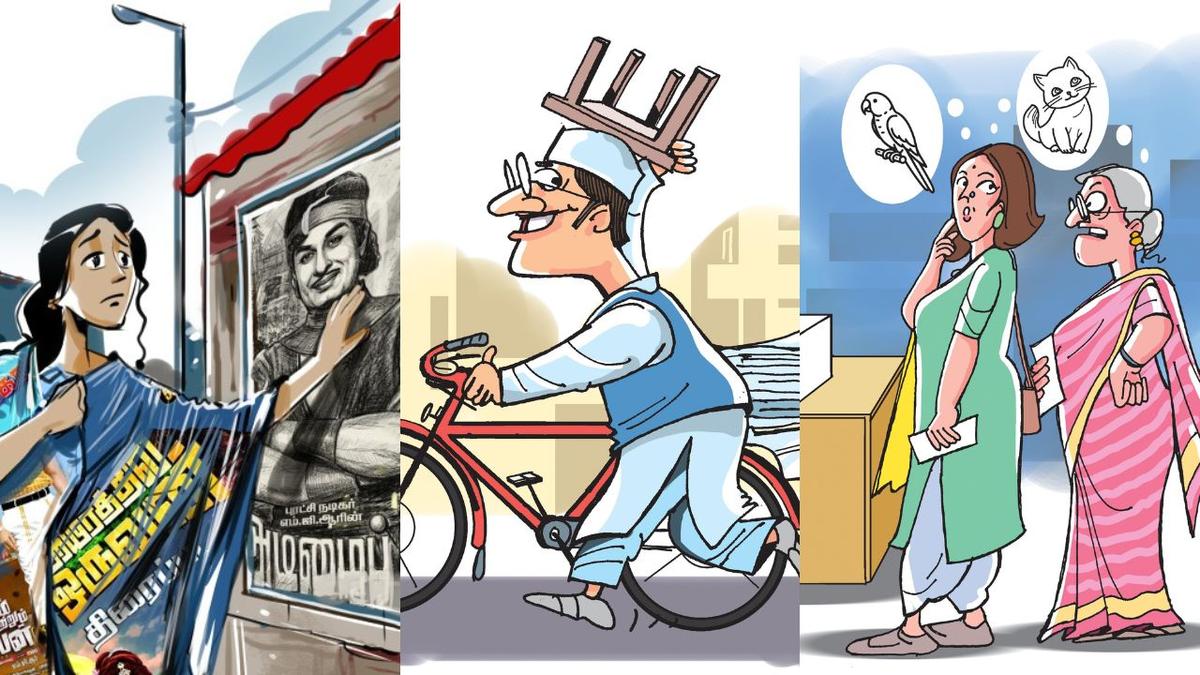
A series of articles has been compiled to showcase how Tamil authors use fiction to describe electoral politics. These stories often take place in small villages or busy city streets, focusing on the "common man" who is often caught in the middle of political battles. The collection looks at various authors who have written about the excitement of campaign rallies, the tension of voting day, and the aftermath of election results. These narratives serve as a record of how democracy is practiced on the ground level.
Important Numbers and Facts
Tamil Nadu is known for having one of the most active and passionate political environments in India. Over the last 70 years, hundreds of short stories have been written with political themes. The compilation includes works that span different eras, from the early days after independence to the modern age of digital campaigning. Many of these stories highlight the role of local tea shops, which often serve as the center for political debate in Tamil villages. The data shows that literature remains a powerful tool for social commentary, with many of these stories still being taught in schools and universities today.
Background and Context
In Tamil Nadu, politics and culture are deeply connected. For many years, the film industry and the literary world have been the main ways that political ideas are shared with the public. Many famous leaders in the state were once writers or poets themselves. Short stories are a popular format because they are easy to read and can be shared quickly in magazines and newspapers. They allow writers to criticize the government or praise social movements without using the dry language of a political speech. This tradition of "political fiction" helps keep the public informed and engaged with how their leaders behave.
Public or Industry Reaction
Readers and literary critics have praised the decision to bring these stories together. Many feel that in the age of social media, the deep thought found in short stories is being lost. Scholars argue that these stories are more than just entertainment; they are historical documents that show what people cared about in the 1960s, 80s, or 2000s. Local book clubs and student groups have started using these compilations to start discussions about the current state of democracy. The general reaction is that literature provides a "soul" to the often cold and calculated world of political strategy.
What This Means Going Forward
As technology changes how we vote and how candidates talk to us, Tamil literature will likely change as well. Future stories may focus on how social media and big data influence the choices of voters. However, the core themes of honesty, community, and the search for better leadership will likely remain the same. This collection sets a standard for how other regional languages might document their own political journeys. It ensures that the voices of the past are not forgotten as the state moves into a new era of governance.
Final Take
The relationship between Tamil short stories and elections shows that the pen is just as important as the ballot. These stories remind us that behind every vote is a person with a story to tell. By keeping these narratives alive, we ensure that the democratic process is viewed through a lens of empathy and human experience rather than just power and control. Literature continues to be the most effective way to capture the true heart of a nation's politics.
Frequently Asked Questions
Why is Tamil literature important for understanding politics?
Tamil literature reflects the real-life struggles and emotions of the people. It provides a more personal and detailed view of how political decisions affect daily life compared to standard news reports.
What are the common themes in these political short stories?
Common themes include the influence of local leaders, the excitement of election campaigns, the ethics of voting, and the way political changes impact small communities and families.
Who are the main characters in these stories?
The stories usually focus on ordinary citizens, such as farmers, shopkeepers, or students, who are trying to navigate the complex world of elections and government power.



