
Summary
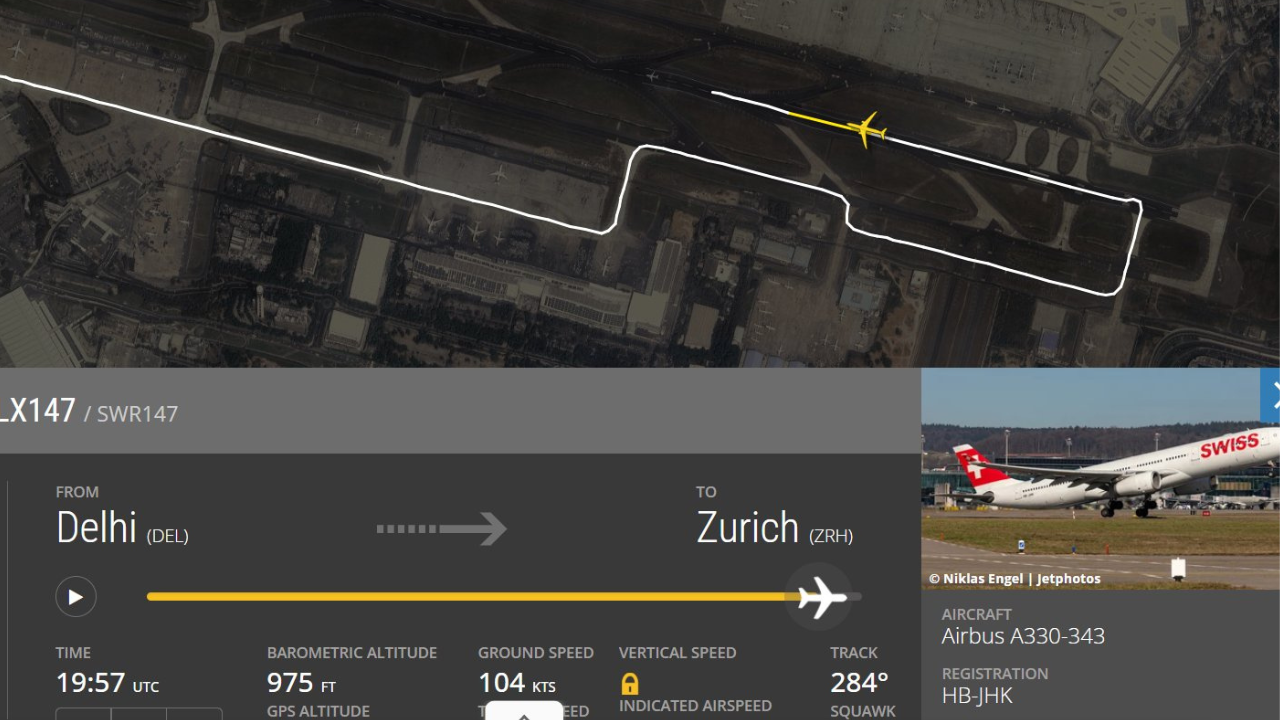
A SWISS international flight traveling from Delhi to Zurich was forced to stop suddenly on the runway after an engine caught fire during takeoff. The pilots noticed the fire as the plane was speeding up and immediately hit the brakes to stay on the ground. All 232 people on board had to leave the aircraft using emergency slides while the plane sat on the runway. While most people were unhurt, six passengers were taken to the hospital for medical care following the emergency exit.
Main Impact
The primary impact of this incident was the immediate danger to the lives of over 200 passengers and crew members. An engine fire during the takeoff roll is one of the most serious situations a pilot can face. Because the fire happened while the plane was moving fast, the crew had to make a split-second decision to abort the flight. This led to a full-scale emergency response at Indira Gandhi International Airport in Delhi, which temporarily blocked the runway and affected other flight schedules. The injuries to six passengers also highlight the physical risks involved when people have to jump down emergency slides in a hurry.
Key Details
What Happened
The aircraft, an Airbus A330, was lined up on the runway and began its takeoff run. As it reached a speed of 104 knots, which is about 120 miles per hour, the crew detected a major problem with engine number one. This engine, located on the left side of the plane, suffered a failure and caught fire. The pilots immediately stopped the acceleration and brought the heavy aircraft to a halt on the runway. Once the plane stopped, the captain ordered an emergency evacuation to ensure everyone could get away from the fire as quickly as possible.
Important Numbers and Facts
There were a total of 232 people on the flight, including both passengers and the flight crew. The speed at which the failure occurred, 104 knots, is a critical point in a takeoff. In aviation, pilots have a specific speed called "V1." If a problem happens before they reach this speed, they can safely stop the plane on the runway. If they are faster than that speed, they usually have to take off and then circle back to land. In this case, the pilots were able to stop safely. Following the evacuation, six people required hospital treatment for injuries sustained during the exit process.
Background and Context
The Airbus A330 is a very common and usually very safe long-distance airplane used by many airlines around the world. It has two large engines, and it is designed to be able to fly even if one engine stops working. However, an actual fire is much more dangerous than a simple engine failure. Fire can damage the wing or the fuel tanks, which is why the crew chose to evacuate immediately rather than taxiing back to the gate. Delhi's airport is one of the busiest in the world, and any incident on the runway causes a chain reaction of delays for other flights.
Engine fires during takeoff can be caused by several things. Sometimes a bird flies into the engine, or a mechanical part inside the engine breaks. When these parts break at high speed, they can cause sparks or leak hot oil, leading to flames. Pilots spend hundreds of hours in flight simulators practicing exactly how to handle these "rejected takeoffs" to make sure they can stop the plane without losing control.
Public or Industry Reaction
Aviation safety experts have praised the crew for their quick thinking. Stopping a large plane at high speed requires a lot of skill to prevent the brakes from overheating or the plane from sliding off the runway. SWISS, the airline involved, has started an investigation to find out exactly why the engine failed. Passengers who were on the flight shared stories of a scary and loud experience, but many expressed gratitude that the fire was caught before the plane left the ground. The Indian aviation authorities are also looking into the event to ensure all safety rules were followed during the evacuation.
What This Means Going Forward
The engine from the Airbus A330 will be taken apart by engineers to find the root cause of the fire. If they find a specific part failed due to a design flaw, other airlines using the same engines might be told to inspect their planes. For the passengers, the airline will need to provide support for their travel and medical needs. This event serves as a reminder of why safety briefings are so important. Even though flying is very safe, knowing how to use the emergency slides can save lives when seconds count. The runway at Delhi airport was cleared and checked for debris before being opened back up for other planes.
Final Take
This incident shows that even with modern technology, mechanical failures can still happen. The successful evacuation of 232 people with only a few minor injuries is a testament to the training of the pilots and cabin crew. While the fire was a frightening event, the safety systems and emergency procedures worked exactly as they were supposed to, preventing a much larger tragedy.
Frequently Asked Questions
What is a rejected takeoff?
A rejected takeoff is when the pilots decide to stop the plane after they have already started speeding down the runway. This is usually done if a warning light comes on or if they see fire or smoke.
Why were people injured during the evacuation?
Emergency slides are very steep and fast. When hundreds of people try to leave a plane at the same time in a state of panic, it is common for some people to get bumps, bruises, or more serious injuries like sprains when they hit the ground.
Is the Airbus A330 safe to fly?
Yes, the Airbus A330 has an excellent safety record. It is used by major airlines globally for long-distance travel. Incidents like engine fires are very rare and are usually handled safely by the crew.



