Summary
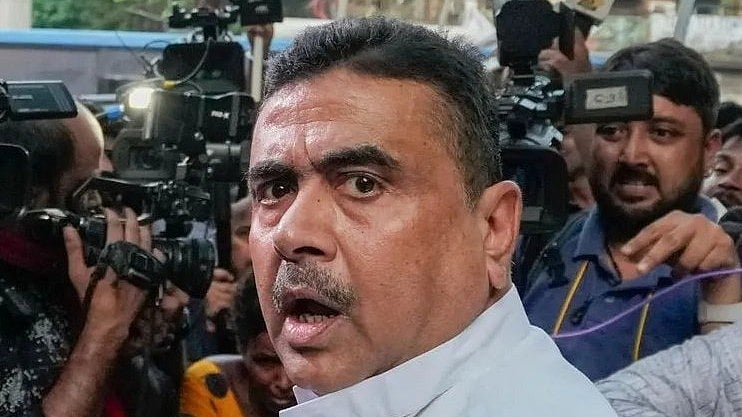
Police in Kolkata have filed a First Information Report (FIR) against Suvendu Adhikari, who serves as the Leader of the Opposition in the West Bengal Assembly. The legal action follows claims that the politician made comments that could damage religious harmony during a recent festival. A youth leader from the CPI(M) party filed the complaint, sparking a new legal battle for the prominent BJP leader. This development comes at a time of high political tension in the state as different groups prepare for upcoming elections.
Main Impact
The registration of this FIR marks a significant shift in the legal challenges facing Suvendu Adhikari. For a long time, he held a level of protection from new police cases, but recent court decisions have changed that status. This case could lead to a formal investigation into how political leaders use religious events to deliver messages to voters. It also highlights the deep divide between the ruling party, the opposition, and other political groups in West Bengal, where every public statement is closely watched by rivals and law enforcement.
Key Details
What Happened
The incident took place during the Dol Yatra festival, a major celebration in West Bengal. Suvendu Adhikari was visiting the Bhabanipur area in south Kolkata to celebrate with local residents, monks, and workers from the Bharatiya Janata Party (BJP). During his visit, he spoke to the crowd about his views on the current political and social state of the region. According to the complaint, his speech included warnings against "pseudo-secularism" and "atheism." He also reportedly called for a specific type of religious unity among voters for the next elections.
Important Numbers and Facts
The complaint was officially lodged at the Ballygunge police station, which falls under the South Division of the Kolkata Police. The person who filed the report is Sainik Sur, a leader from the youth wing of the CPI(M). The location of the event is also notable because Bhabanipur is the assembly seat represented by the Chief Minister of West Bengal, Mamata Banerjee. This makes any political activity in that specific neighborhood highly sensitive. The police have confirmed that the FIR is active and that they are currently looking into the details of the speech to see if any laws were broken.
Background and Context
To understand why this FIR is important, one must look at the political history of West Bengal. Suvendu Adhikari was once a top leader in the ruling Trinamool Congress (TMC) and a close associate of Mamata Banerjee. A few years ago, he switched sides to join the BJP and has since become one of the government's harshest critics. Because of the intense rivalry, many legal cases have been filed against him in the past.
Recently, the Calcutta High Court made a major ruling regarding Adhikari. Previously, the court had protected him from being named in new FIRs without special permission. However, that protection was recently withdrawn. This means that the police can now register cases against him just like they would for any other citizen. This change in legal status is likely why this new complaint was able to move forward so quickly through the local police station.
Public or Industry Reaction
The reaction to the FIR has been split along political lines. Sainik Sur, the complainant, told reporters that Adhikari’s words were meant to provoke people and create a sense of hostility. He argued that in a society where many different people live together, such remarks threaten peace. Sur also expressed concern that some media platforms were helping to spread these sensitive comments to a wider audience. He has even suggested that more complaints might be filed in different parts of the state to ensure the matter is taken seriously.
On the other side, supporters of the BJP often view these legal actions as political harassment. They argue that leaders should have the right to speak to their voters about their values and concerns. While the BJP has not released a long official statement on this specific FIR yet, they have historically defended Adhikari against what they call "false cases" created by their political opponents.
What This Means Going Forward
The immediate next step is the police investigation. Officers will likely review video recordings of the speech and talk to witnesses who were present at the Dol Yatra event. If the police find enough evidence that the speech violated laws regarding communal harmony, the case could move to a courtroom. This would require Adhikari to defend his words in front of a judge.
This case also sets a precedent for the upcoming election season. It sends a message to all politicians that their speeches during religious festivals will be monitored. If the courts decide that Adhikari’s remarks crossed a legal line, it could limit how other politicians talk about religion and secularism in their campaigns. For now, the situation remains a major point of debate in Kolkata’s political circles.
Final Take
The legal system is now tasked with deciding where the line sits between free political speech and comments that might disturb social peace. As the investigation continues, this case will serve as a reminder of the high stakes involved in West Bengal's political environment. Whether this leads to a full trial or is eventually dismissed, it highlights the ongoing struggle for influence in one of India's most politically active states.
Frequently Asked Questions
Why was an FIR filed against Suvendu Adhikari?
The FIR was filed because a complainant alleged that Adhikari made "communally sensitive" remarks during a festival. The complaint claims his words could cause public unrest and hurt the harmony between different groups of people.
Who is the person who filed the complaint?
The complaint was filed by Sainik Sur. He is a leader within the youth wing of the CPI(M), which is a political party that opposes both the BJP and the ruling TMC in West Bengal.
Can Suvendu Adhikari be arrested for this?
At this stage, the police are only investigating the claims. While an FIR allows the police to start a formal inquiry, any further action like an arrest would depend on the evidence found and the specific legal charges applied during the investigation.