
Summary
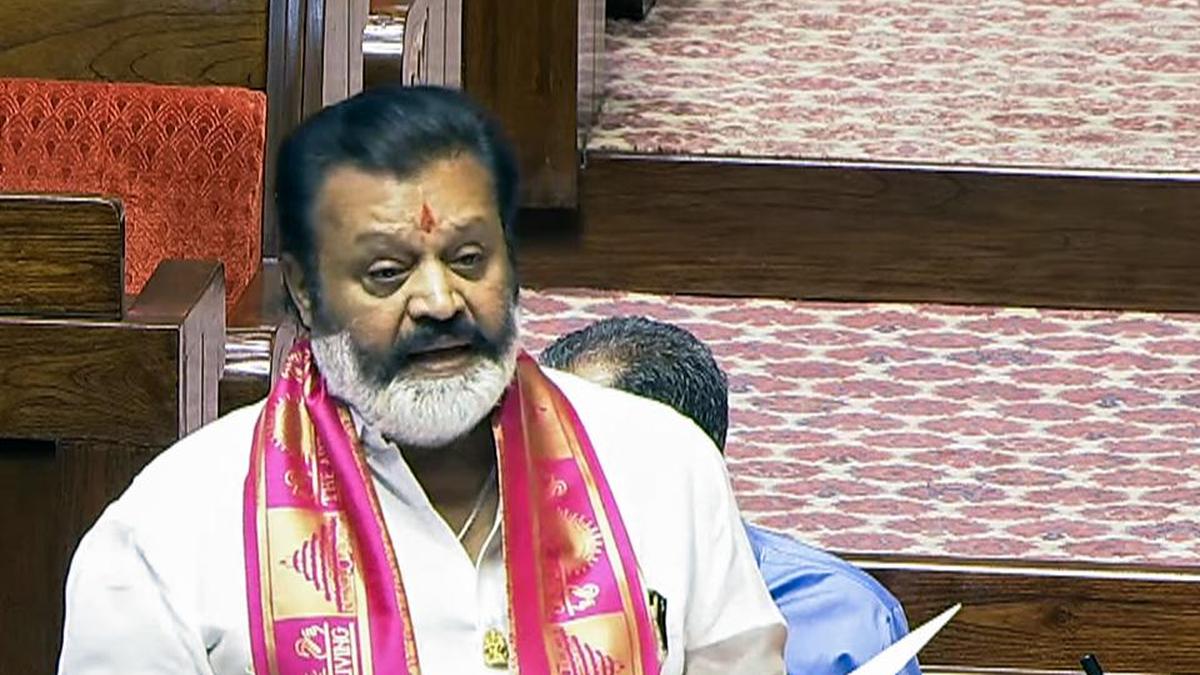
Union Minister Suresh Gopi recently expressed strong disappointment following the defeat of a new Constitution Amendment Bill in Parliament. He stated that the opposition parties chose to play politics instead of supporting national progress. According to the Minister, the failure of this Bill is a major setback for millions of women across India who were looking forward to positive changes. He believes that political rivalry was placed above the needs of the citizens.
Main Impact
The rejection of the Constitution Amendment Bill has created a significant stir in the political world. This event highlights the deep divide between the ruling government and the opposition parties. Because the Bill failed to pass, several planned reforms aimed at empowering women are now on hold. This delay affects long-term goals for social equality and changes how the public views the current legislative process. The primary impact is a feeling of missed opportunity for those who expected the law to bring immediate benefits to the female population.
Key Details
What Happened
The event unfolded when the government presented a Constitution Amendment Bill for a vote. To pass such a Bill, a high level of support is needed from all members of the house. However, the opposition did not provide the necessary votes, leading to the Bill’s defeat. Shortly after the session, Union Minister Suresh Gopi took to social media to share his views. He posted on Facebook that the defeat was not just a loss for the government but a loss for the entire country. He argued that the opposition focused on their own political gains rather than the welfare of the people.
Important Numbers and Facts
Constitution Amendment Bills are different from regular laws because they require a two-thirds majority to pass. This means that the ruling party almost always needs some support from the opposition. In this case, the lack of consensus meant the Bill could not meet the legal requirements to become law. While specific vote counts vary by session, the failure to reach this majority shows a clear lack of agreement on the proposed changes. The Minister’s statement emphasized that "millions of Indian women" would be the ones most affected by this legislative block.
Background and Context
In India, changing the Constitution is a serious and difficult task. The Constitution is the foundation of all laws, so any amendment must be carefully debated. Over the years, there have been many attempts to introduce laws that give more power and representation to women in government and society. These discussions often involve complex issues like seat reservations in law-making bodies or changes to property rights. When a Union Minister speaks out about "aspirations," they are referring to the hopes of people who want more opportunities and safety. The current political environment is very competitive, which often makes it hard for different parties to agree, even on topics that seem beneficial to everyone.
Public or Industry Reaction
The reaction to Suresh Gopi’s comments has been mixed. Supporters of the government agree with the Minister, saying that the opposition is being a hurdle to growth. They believe that the Bill was a sincere effort to help women and that it should have been passed without delay. On the other side, opposition leaders argue that they have valid reasons for their vote. They often claim that the government’s Bills have hidden flaws or that they do not go far enough to solve real problems. Social media has become a place for heated debate, with many citizens expressing their frustration over the slow pace of legal reform. Women's rights groups have also weighed in, calling for more cooperation among politicians to ensure that important laws do not get stuck in political fights.
What This Means Going Forward
Looking ahead, the government may try to bring the Bill back in a different form or wait for a better time to reintroduce it. The defeat serves as a reminder that passing major laws requires more than just a good idea; it requires building bridges between different political groups. For the public, this means that the promised changes will take longer to arrive. It also sets the stage for future election campaigns, where both sides will likely use this event to gain support. The government will point to the opposition as an obstacle, while the opposition will defend their choice as a way to protect the integrity of the Constitution. This cycle of disagreement suggests that more political tension is expected in the coming months.
Final Take
The failure of the Constitution Amendment Bill is a clear example of how political disagreement can stop legislative action. While the government views this as a lost chance for progress, the opposition sees it as a necessary check on power. For the millions of women mentioned by Suresh Gopi, the wait for significant legal reform continues. This situation shows that in a democracy, the path to change is rarely simple and often requires a level of cooperation that is currently missing in the political arena.
Frequently Asked Questions
Why did the Constitution Amendment Bill fail?
The Bill failed because it did not get the required two-thirds majority in Parliament. The opposition parties voted against it, preventing the government from reaching the necessary number of votes to change the Constitution.
What did Suresh Gopi say about the defeat?
Suresh Gopi stated that the opposition chose "politics over progress." He mentioned that the defeat was a blow to the aspirations of millions of Indian women who were hoping for the benefits the Bill would have provided.
What happens next with the Bill?
The government can choose to revise the Bill and present it again in a future session. However, they will need to find a way to get more support from other parties or wait until the political balance changes to try again.



