
Summary
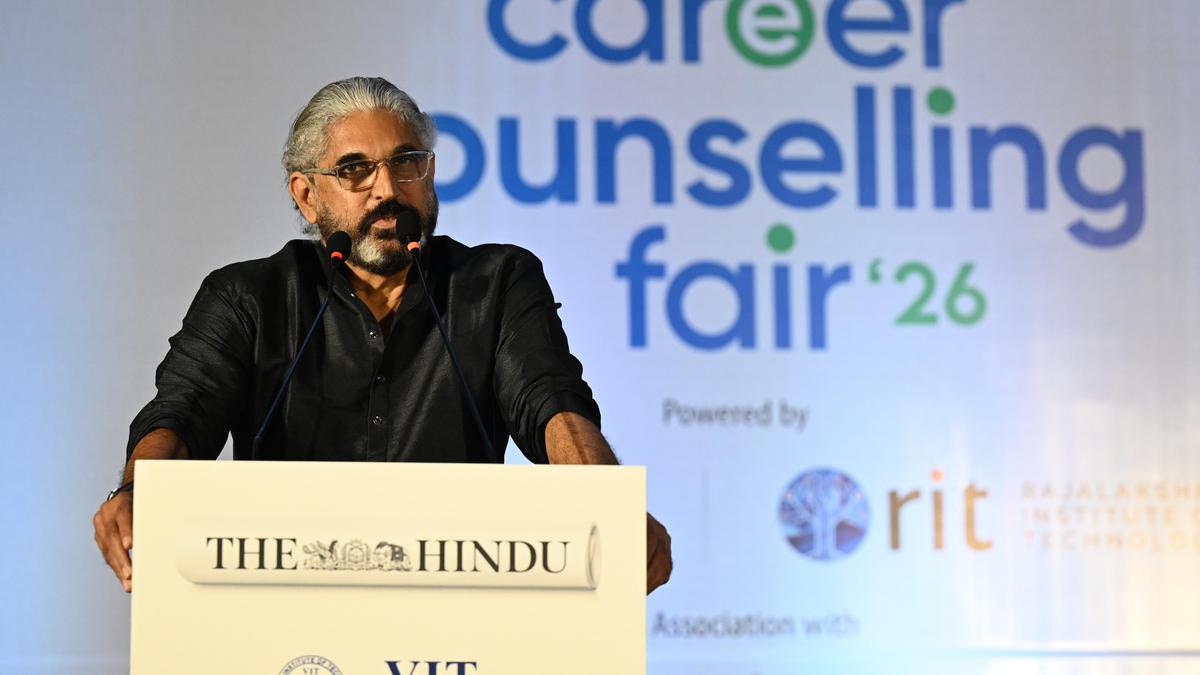
Suresh Chandra Menon, a well-known figure in the film industry, recently shared his positive views on the role of Artificial Intelligence (AI) in media. He believes that AI will not replace humans but will instead make movies and digital content much more interesting for the audience. By using these new tools, filmmakers can try ideas that were once too expensive or difficult to film. This shift marks a new era where technology and creativity work together to improve the viewing experience.
Main Impact
The biggest change AI brings is the ability to handle repetitive and technical tasks much faster than before. This allows directors and writers to spend more time on the emotional parts of a story. AI helps in creating better visual effects, cleaning up audio, and even helping with the editing process. For the audience, this means higher quality films that look and sound professional, even if they are made with smaller budgets. It levels the playing field for independent creators who want to compete with big studios.
Key Details
What Happened
During a recent discussion about the future of cinema, Suresh Chandra Menon explained that AI should be seen as a helpful partner. He pointed out that every time a new technology enters the film world, people worry it will ruin the art. However, history shows that technology usually makes the art form stronger. Menon emphasized that AI can analyze what audiences like, which helps producers make better decisions about what kind of stories to tell. He also mentioned that AI can help in translating and dubbing movies into different languages more naturally, helping local films reach a global audience.
Important Numbers and Facts
The use of AI in the film industry is growing quickly. Experts suggest that AI can reduce the time spent on post-production by nearly 30 to 40 percent. Tasks like rotoscoping, which used to take weeks of manual labor, can now be done in a few days with the help of smart software. Additionally, AI-driven tools are being used to de-age actors, allowing them to play younger versions of themselves without heavy makeup or expensive traditional CGI. This saves millions of dollars in production costs while maintaining a realistic look on screen.
Background and Context
The film industry has always changed when new inventions arrived. First, movies moved from being silent to having sound. Later, they moved from black and white to color. More recently, digital cameras replaced film reels. Each of these steps was met with some fear, but they all made movies better. AI is simply the next step in this journey. It is a set of computer programs that can learn and perform tasks that usually require human intelligence. In media, this includes recognizing patterns in images, generating realistic backgrounds, and even suggesting script improvements based on successful movie structures.
Public or Industry Reaction
The reaction to AI in the film world is mixed. Many young filmmakers are excited because AI tools are often cheaper and easier to use. They feel it gives them the power to create big-budget visuals on a laptop. On the other hand, some veteran professionals worry about job security. They fear that AI might take away roles in editing, voice-over work, and background acting. However, leaders like Menon argue that while the nature of jobs will change, the need for human creativity will never go away. The industry is currently trying to find a balance between using technology and protecting the rights of human workers.
What This Means Going Forward
In the coming years, we can expect to see more movies that use AI to create immersive worlds. Virtual production, where actors perform in front of giant LED screens showing AI-generated environments, will become the standard. This reduces the need for traveling to distant locations, which is better for the environment and the budget. We might also see more personalized content where AI suggests movies based on very specific moods or themes. The focus will shift toward learning how to use these tools effectively. Filmmakers who learn to work with AI will likely have more opportunities than those who ignore it.
Final Take
Technology has always been a part of storytelling, from the first cameras to the latest computers. Suresh Chandra Menon’s outlook reminds us that AI is just another tool in the artist's toolbox. While the machines can process data and generate images, they cannot feel emotions or understand the human experience. As long as humans stay in control of the stories being told, AI will only serve to make those stories more vivid, exciting, and accessible to everyone around the world.
Frequently Asked Questions
Will AI replace actors and directors?
No, AI is meant to assist rather than replace. While it can create digital characters, the emotional depth and creative vision provided by human actors and directors are still essential for a good movie.
How does AI save money in filmmaking?
AI saves money by speeding up slow processes like film editing, color correction, and visual effects. It also allows filmmakers to create realistic settings digitally instead of building expensive physical sets.
Can AI write a movie script?
AI can generate ideas, outlines, and even full scenes based on existing data. However, these scripts often lack the unique human touch and original perspective that make a story truly memorable and relatable.



