
Summary
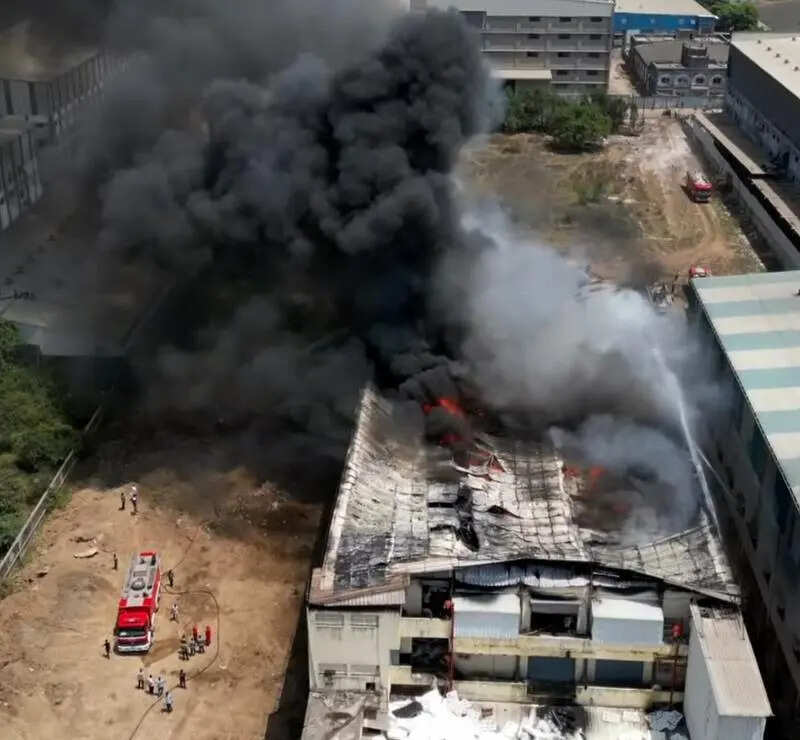
A major fire broke out at a textile manufacturing unit in the Sachin industrial area of Surat early this morning. Firefighting teams worked for more than six hours to bring the flames under control and prevent them from spreading to nearby factories. While the building and its contents suffered heavy damage, no injuries or deaths have been reported so far. This incident has once again raised concerns about safety protocols in one of India’s largest industrial hubs.
Main Impact
The fire caused an immediate shutdown of operations at the affected textile unit, leading to significant financial losses. Beyond the direct damage to the building, the thick smoke and heat forced several neighboring businesses to stop work for the day as a safety measure. This event highlights the ongoing risks faced by the textile sector, where the presence of flammable materials like fabric and chemicals can turn a small spark into a large-scale emergency. The local economy in the Sachin GIDC area often feels the ripple effects of such accidents, as they disrupt supply chains and daily labor schedules.
Key Details
What Happened
The fire started during the early hours of the day when the facility was beginning its shift. Witnesses reported seeing thick black smoke rising from the roof of the factory, which quickly alerted local security and workers. The fire department was called immediately, and several fire engines were sent to the location. Because the factory was filled with rolls of cloth and synthetic materials, the fire spread rapidly across multiple floors. Firefighters had to use high-pressure water hoses and specialized equipment to reach the center of the blaze. It took a coordinated effort from multiple fire stations to finally contain the fire after six hours of intense work.
Important Numbers and Facts
The emergency response involved over a dozen fire tenders from various parts of the city. The cooling process, which follows the main firefighting effort, lasted several additional hours to ensure that no hidden sparks could restart the fire. Initial reports suggest that goods worth millions of rupees, including raw yarn and finished garments, were destroyed in the blaze. The Sachin GIDC (Gujarat Industrial Development Corporation) is home to thousands of such units, making fire safety a high-priority concern for the local administration. Fortunately, the quick evacuation of the few workers present at the start of the fire prevented any loss of life.
Background and Context
Surat is often called the textile capital of India, and the Sachin area is a vital part of this industry. The factories here produce a large portion of the country’s synthetic fabrics. However, the industrial layout in these zones can be very crowded. Many units are built close to each other, and the narrow roads can sometimes make it difficult for large fire trucks to move quickly. Textile fires are particularly dangerous because fabrics act as fuel, and the chemicals used in dyeing and printing can release toxic fumes. Over the years, there have been several calls for better fire hydrants and more frequent safety audits in these industrial clusters to protect both property and workers.
Public or Industry Reaction
Local business owners have expressed their worry over the frequency of such incidents. Many are calling for the industrial association to work more closely with the fire department to improve emergency response times. There is also a push for better insurance coverage for small and medium-sized units that may not be able to recover easily from such a total loss. Safety experts have pointed out that many fires in the region are caused by old electrical wiring or short circuits, urging factory owners to invest in modern electrical systems. Workers in the area have also shared their concerns about workplace safety, asking for better exit routes and regular fire drills.
What This Means Going Forward
Following this incident, local authorities are expected to launch a full investigation into the cause of the fire. If the factory is found to have ignored safety rules, the owners could face penalties. This event will likely lead to a new round of safety inspections across the Sachin GIDC area. Other factory owners may take this as a warning to check their own fire extinguishers and alarm systems. In the long term, there may be a move toward installing automatic sprinkler systems in textile warehouses, which could help stop fires before they grow out of control. The focus will remain on balancing high-speed production with the necessary safety standards to prevent future disasters.
Final Take
The successful containment of the fire after six hours shows the dedication of the local fire services, but it also serves as a serious reminder of the dangers present in industrial zones. While the lack of casualties is a relief, the economic damage to the textile unit is a blow to the local business community. Moving forward, the priority must be on prevention rather than just reaction. Ensuring that every factory follows strict safety codes is the only way to protect the people and the industry that drive the city’s economy.
Frequently Asked Questions
What caused the fire at the Sachin textile unit?
The exact cause is still being investigated by the fire department. However, early reports suggest that an electrical short circuit might have started the blaze.
Were there any injuries reported in the incident?
No, there were no reported injuries or deaths. The workers who were inside the building at the time managed to evacuate safely before the fire spread.
How long did it take to put out the fire?
It took approximately six hours for the firefighting teams to contain the main blaze, followed by several more hours of cooling operations to prevent it from restarting.



