
Summary
Residents in Surat who have installed solar panels are reporting significant problems with new smart meters. These homeowners, who invested in solar energy to lower their electricity costs, claim the new devices are showing incorrect readings and causing much higher bills. The situation has created a wave of complaints against the local power company, Dakshin Gujarat Vij Company Ltd (DGVCL). Many users feel that the system for tracking solar energy is no longer transparent or fair.
Main Impact
The primary impact of these glitches is a growing lack of trust in the smart meter system. For years, Surat has been a leader in residential solar power, with thousands of families switching to green energy. However, the current technical issues are making people regret their decision to go solar. Instead of seeing their monthly expenses drop, many residents are facing unexpected financial stress. This could slow down the progress of renewable energy adoption if the public feels the billing technology is flawed or biased against them.
Key Details
What Happened
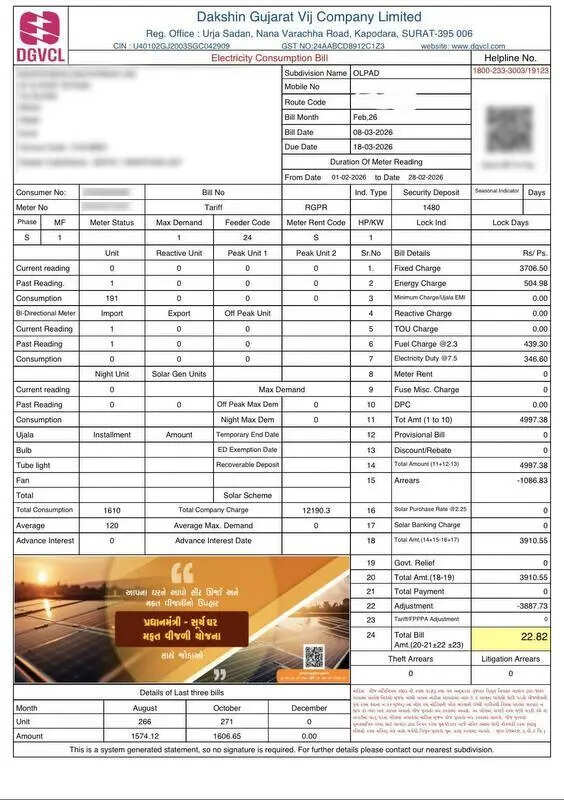
The trouble began when DGVCL started replacing traditional electricity meters with smart meters in various parts of Surat. These smart meters are designed to send data automatically to the power company, removing the need for manual readings. However, solar users noticed that their "net metering" data was not showing up correctly. Net metering is the process where the energy produced by solar panels is subtracted from the energy used from the grid. Users claim the meters are recording high consumption even when their solar panels are producing plenty of power. Some residents have even reported that their bills doubled shortly after the new meters were installed.
Important Numbers and Facts
Surat is often called the "Solar City" of India because it has one of the highest numbers of rooftop solar installations in the country. Thousands of households rely on the "Surya Gujarat" scheme to manage their power needs. Since the smart meter rollout began, hundreds of formal complaints have been filed. Users have pointed out that the mobile apps provided by the utility company often show different data than what appears on the physical meter. In some cases, the solar credit—the money saved by sending extra power back to the grid—is missing entirely from the monthly statements.
Background and Context
To understand why this is a big deal, it helps to know how solar billing works. When you have solar panels, you use the energy they make during the day. If you make more than you need, that extra power goes into the city's power grid. The power company is supposed to give you credit for that extra energy. At the end of the month, you only pay for the "net" amount of electricity you used. Smart meters were supposed to make this tracking easier and more accurate. However, the software and hardware seem to be struggling to handle the two-way flow of electricity. This is a major concern because the government is pushing for smart meters to be installed in every home across the state.
Public or Industry Reaction
The reaction from the public has been one of frustration and anger. Social media groups for Surat residents are filled with photos of high bills and confusing meter readings. Some consumer rights groups have asked for a temporary stop to the smart meter rollout until an independent study can prove they are accurate. On the other side, officials from DGVCL have defended the technology. They argue that the meters are tested for quality and that the high bills might be due to changes in how people use power or old billing cycles ending. However, this explanation has not satisfied many residents who see a direct link between the new meters and their rising costs.
What This Means Going Forward
If these glitches are not fixed soon, the power company may face legal action from consumer groups. There is a clear need for better communication between the utility provider and the public. One possible step forward is for the company to allow third-party testing of the meters to prove they are working right. Additionally, the mobile apps used to track energy need to be updated so that solar users can see their savings in real-time. If the government wants more people to use solar energy, they must ensure that the billing process is simple, honest, and easy to understand. Without these changes, the move toward a smarter power grid could face even more resistance.
Final Take
Technology is supposed to help people manage their lives better, but in this case, it has caused confusion and worry. For solar energy to work for everyone, the tools we use to measure it must be perfect. The residents of Surat deserve a billing system that accurately reflects their efforts to use clean energy. Fixing these smart meter glitches is not just about correcting bills; it is about keeping the promise of a greener and more affordable future for everyone.
Frequently Asked Questions
Why are smart meters causing high bills for solar users?
Many users believe the meters are not correctly subtracting the energy produced by their solar panels from the energy they take from the grid. This leads to bills that do not show the proper solar credits.
What is net metering?
Net metering is a system where your solar panels send extra electricity back to the power company. The company then gives you a credit on your bill, so you only pay for the electricity you used beyond what you produced.
What should I do if my smart meter bill seems wrong?
You should contact your local power office, such as DGVCL, to file a formal complaint. It is also helpful to keep records of your solar production from your inverter to compare with the company's data.



