
Summary
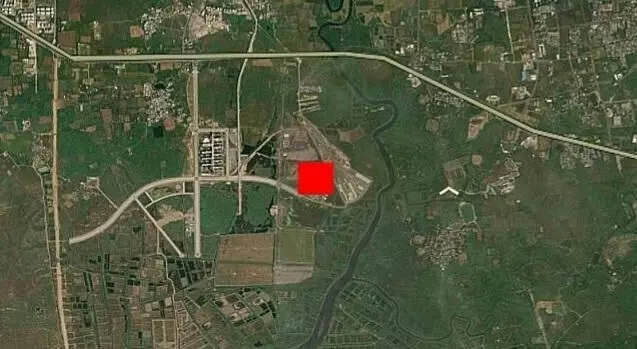
Recent satellite images have captured a significant fire and a new flare-up at the Khajod waste disposal site in Surat. The blaze has sent thick clouds of smoke into the air, affecting the health and daily lives of people living in nearby neighborhoods. This situation highlights the ongoing struggle to manage city waste safely during periods of extreme heat. Firefighting teams are working around the clock to bring the situation under control and prevent further spread.
Main Impact
The primary impact of the Khajod fire is the sudden drop in air quality across large parts of Surat. As the fire burns through layers of trash, it releases harmful gases and fine particles into the atmosphere. Residents in areas like Vesu, Althan, and VIP Road have reported a heavy smell of burning plastic and visible haze. This has led to an increase in complaints regarding breathing difficulties, itchy eyes, and throat irritation among the local population.
Key Details
What Happened
The fire at the Khajod landfill started several days ago and appeared to be under control before a fresh flare-up occurred. Satellite technology used by environmental monitors showed clear heat signatures coming from the site, indicating that the fire was burning deep within the mounds of garbage. These underground fires are particularly difficult to put out because water often cannot reach the source of the heat. The wind has carried the resulting smoke toward residential zones, making the problem visible from many miles away.
Important Numbers and Facts
The Khajod disposal site is one of the largest in the region, handling hundreds of tons of waste every day. During the peak of the flare-up, more than a dozen fire tenders were sent to the location. Temperatures in Surat have recently stayed above 40 degrees Celsius, which creates the perfect environment for such fires to start. Methane gas, which is naturally produced when organic waste rots, acts as a fuel that keeps the fire burning even when there is no visible flame on the surface.
Background and Context
Landfill fires are a common but dangerous problem in many growing cities. At sites like Khajod, waste is piled high in large mounds. Over time, the materials at the bottom of these piles begin to break down. This process creates methane, a gas that catches fire very easily. When the weather gets hot, the internal temperature of the trash pile rises. If the gas finds a way to reach the air, it can spark a fire that lasts for days or even weeks. This is not the first time Surat has faced this issue, as the city has struggled with waste management challenges for several years.
Public or Industry Reaction
The local community has expressed frustration over the recurring nature of these fires. Many people have taken to social media to share photos of the smoke-filled sky, calling for the municipal corporation to find a permanent fix. Environmental experts have pointed out that simply dumping trash in open fields is no longer a safe option for a city as large as Surat. There is a growing demand for better waste processing plants that can separate plastic and organic matter before they reach the landfill, which would reduce the risk of chemical fires.
What This Means Going Forward
In the coming weeks, the focus will remain on cooling down the site to prevent more flare-ups. Firefighters are using a mix of water and thick layers of soil to "smother" the fire, which cuts off the oxygen supply. Moving forward, the city government may need to invest in more advanced monitoring systems. Using satellite data more frequently could help officials spot "hot spots" before they turn into full-blown fires. There is also a plan to speed up the process of "biomining," which involves clearing out old waste and restoring the land, but this will take significant time and money to complete.
Final Take
The fire at Khajod serves as a serious reminder of the hidden dangers found in our waste. While firefighters work hard to douse the flames, the real solution lies in changing how the city handles its trash. Without better recycling and gas management at disposal sites, these summer fires will likely continue to threaten the health of the public. Protecting the air quality of Surat requires a long-term commitment to modern waste technology and faster action from local authorities.
Frequently Asked Questions
Why is the Khajod fire so hard to put out?
The fire burns deep inside the massive piles of trash where methane gas is trapped. Water often cannot reach these deep layers, so the fire continues to smolder even if the surface looks extinguished.
Is the smoke from the landfill fire dangerous?
Yes, the smoke contains fine particles and chemicals from burnt plastic and other waste. It can cause respiratory problems, especially for children, the elderly, and people with asthma.
How do satellites help in tracking these fires?
Satellites use thermal sensors to detect heat that is not visible to the human eye. This allows experts to see exactly where the fire is hottest and track how far the smoke is spreading across the city.



