
Summary
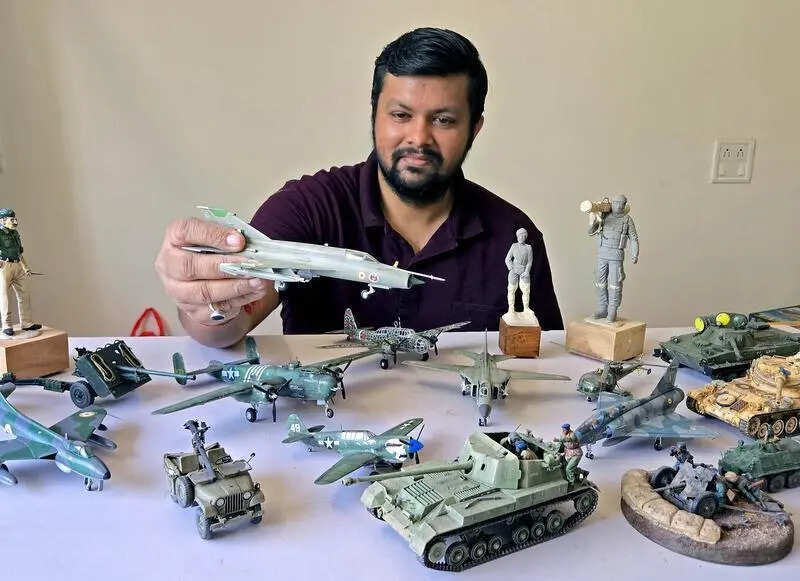
An artist in Surat is making headlines for creating incredibly detailed miniature models of military equipment and battlefields. These small-scale recreations include everything from historical tanks to modern fighter jets and naval ships. By using a mix of specialized kits and raw materials, the artist brings military history to life in a way that fits on a tabletop. This work serves as both a tribute to armed forces and a display of extreme patience and technical skill.
Main Impact
The creation of these miniature war machines does more than just show off artistic talent. It provides a physical way for people to connect with history and engineering. In an age where most things are digital, these hand-built models remind us of the mechanical complexity of real-world vehicles. The impact is felt most by history students and military fans who can see the exact details of a machine without needing to visit a museum. This hobby also highlights the importance of precision and focus, showing how art can be used to document the tools of war with high accuracy.
Key Details
What Happened
The artist, based in the city of Surat, has spent years perfecting the craft of scale modeling. Each project starts with deep research into the specific vehicle or battle scene. The artist looks at old photographs, technical drawings, and historical records to make sure every bolt and paint color is correct. Once the research is done, the building process begins. This involves assembling hundreds of tiny parts, some of which are smaller than a grain of rice. After assembly, the artist uses advanced painting techniques to make the models look real. This includes adding fake rust, mud, and scratches to show that the machine has been through a battle.
Important Numbers and Facts
The models are usually built to specific scales, such as 1:35 or 1:72. This means the model is 35 or 72 times smaller than the real object. A single tank model can consist of over 400 individual pieces. It often takes between 50 to 100 hours of work to finish just one piece. The artist uses specialized tools like surgical tweezers, tiny airbrushes, and magnifying lamps to handle the work. Many of the models represent famous machines used by the Indian Army, such as the T-90 Bhishma tank or the MiG-21 fighter jet, as well as famous vehicles from World War II.
Background and Context
Scale modeling is a hobby that has existed for decades, but it has changed a lot over time. In the past, models were often simple toys. Today, they are considered fine art. The process requires a person to be part historian, part engineer, and part painter. For an artist in a city like Surat, finding the right materials can sometimes be a challenge, as many high-end model kits are imported. However, the passion for military history keeps the craft alive. This type of work is often called "diorama making" when the artist builds an entire scene around the vehicle, such as a ruined building or a muddy trench, to tell a story about a specific moment in time.
Public or Industry Reaction
The response from the local community has been very positive. Many people are surprised by the level of detail that can be achieved at such a small size. On social media, photos of the models often go viral because they look like real full-sized vehicles until a human hand is placed next to them for scale. Military veterans have also praised the work for its accuracy, noting that the models capture the true spirit of the machines they once operated. Some local schools have even expressed interest in using these models to help teach students about historical events in a more engaging way.
What This Means Going Forward
As this artist continues to build more pieces, there is a growing possibility of a public exhibition. This would allow more people to see the collection in person. There is also a push to start workshops where the artist can teach young people how to build their own models. This could help keep the traditional craft alive in a world dominated by video games and screens. In the future, we might see these models used in local museums or as part of educational displays about the history of the Indian defense forces. The goal is to turn a private passion into a public resource for learning and inspiration.
Final Take
The work of this Surat artist shows that great things can come in very small packages. By focusing on the tiny details of war machines, the artist helps us remember the big stories of history. It is a reminder that with enough time and patience, anyone can turn simple materials into a masterpiece that honors the past and educates the future.
Frequently Asked Questions
What materials are used to build these miniatures?
Most models are made from high-quality plastic kits, but the artist also uses metal, resin, and wood. Common household items like wire or sand are often used to create realistic ground and weather effects.
How long does it take to finish one model?
Depending on the complexity and the amount of detail, a single model can take anywhere from a few weeks to several months to complete. The painting and "weathering" process usually takes the most time.
Are these models for sale?
While many artists build these for their own private collections, some do take custom orders from collectors or museums. However, because of the hundreds of hours of labor involved, they are usually quite expensive compared to mass-produced toys.



