
Summary
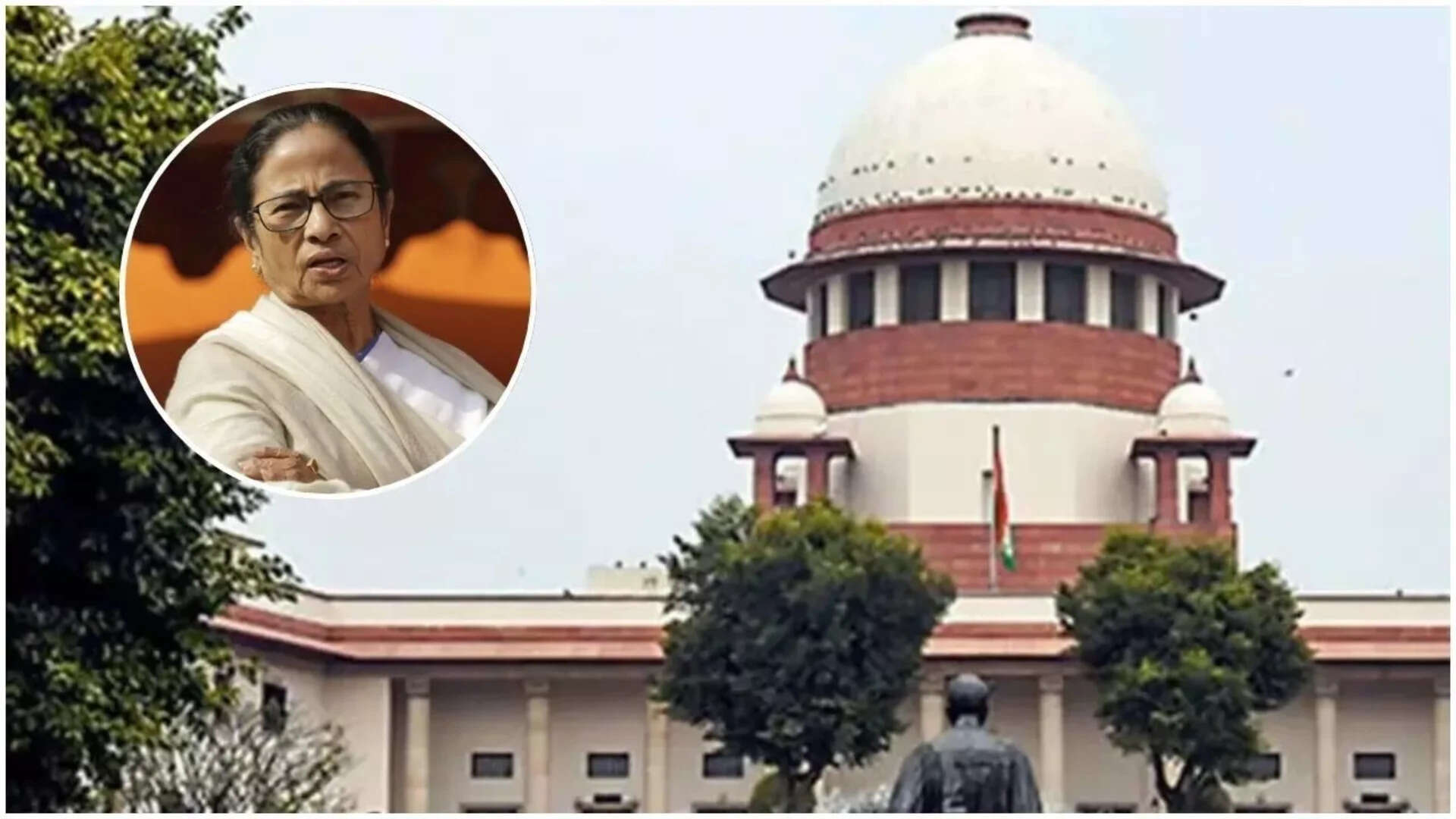
The Supreme Court of India recently questioned the West Bengal government regarding a legal battle with the Enforcement Directorate (ED). The case involves claims that state officials and supporters blocked ED officers during a raid related to the political group I-PAC and Chief Minister Mamata Banerjee. The court told the state government to stop focusing only on the agency's name and instead consider the safety and rights of the individual officers involved. This development highlights the growing tension between central investigative agencies and state authorities.
Main Impact
This court hearing marks a shift in how legal battles between the central government and states are handled. Usually, these fights are seen as political arguments between two powerful groups. However, the Supreme Court is now focusing on the "fundamental rights" of the people working for these agencies. By telling the West Bengal government not to just say "ED, ED, ED," the court is signaling that state governments cannot simply block federal investigations by complaining about the agency's presence. This could make it harder for states to stop central raids in the future.
Key Details
What Happened
The Enforcement Directorate, which is a central agency that investigates financial crimes and money laundering, filed a plea in the Supreme Court. They alleged that their officers faced major obstacles while trying to conduct a raid in West Bengal. The raid was connected to I-PAC, a company that helps political parties with election campaigns. The ED claimed that Chief Minister Mamata Banerjee and her administration interfered with their work. During the hearing, the West Bengal government tried to argue against the ED's claims, but the judges were not satisfied with their reasoning.
Important Numbers and Facts
The case was heard by a bench of justices who emphasized that every individual, including government officers, has rights under the Indian Constitution. The ED has reported several instances over the past year where their teams were met with protests or physical blocks while trying to enter premises in West Bengal. While the specific number of officers involved in this particular raid was not the main focus, the legal principle of "victimhood" was central to the discussion. The court noted that if an officer is stopped from doing their legal duty, they are a victim of a crime, regardless of which agency they work for.
Background and Context
To understand this case, it is important to know that India has a system where both the central government and state governments have their own powers. Sometimes, these powers clash. In West Bengal, there has been a long history of the state government accusing the central government of using agencies like the ED to target political rivals. The ED is often sent to investigate corruption or illegal money deals. On the other hand, the central government argues that the state is protecting people who have broken the law. This specific case involving I-PAC is part of a larger series of investigations into how political campaigns are funded and managed.
Public or Industry Reaction
Legal experts have noted that the Supreme Court's comments are a warning to all state governments. Many people who support the central government believe the court is right to protect officers who are just doing their jobs. They argue that without protection, these officers cannot stop corruption. However, supporters of the West Bengal government feel that the ED is being used as a political tool. They believe the raids are timed to hurt the reputation of the Chief Minister. Despite these different views, the court's focus remains on the legal process rather than political opinions.
What This Means Going Forward
Moving forward, the West Bengal government will have to provide a better legal explanation for why the ED raids were blocked. If they cannot prove that the officers acted outside the law, the state might face penalties or be forced to provide police protection for future central raids. This case will likely set a rule for how other states interact with central agencies. It ensures that even if a state disagrees with an investigation, they cannot use force or administrative power to stop it. The safety of individual officers will now be a major factor in these legal disputes.
Final Take
The Supreme Court is reminding everyone that the law applies to everyone equally, including state leaders and central agencies. By focusing on the rights of the officers, the court is trying to move the conversation away from politics and back to the legal duties of the government. This decision protects the people on the ground who are caught in the middle of big political fights.
Frequently Asked Questions
What is the ED and why was it in West Bengal?
The ED is the Enforcement Directorate. It is a central government agency that investigates crimes involving money, such as money laundering. They were in West Bengal to conduct a raid related to financial investigations involving the group I-PAC.
Why did the Supreme Court tell the state to stop saying "ED, ED, ED"?
The court felt the state government was using the agency's name as a way to avoid talking about the actual problem. The judges wanted the state to focus on the fact that individual officers were allegedly blocked and mistreated while doing their jobs.
What is the main issue in this case?
The main issue is whether a state government can stop a central agency from carrying out a legal investigation. The ED claims they were obstructed, while the state government argues the agency is acting unfairly for political reasons.



