
Summary
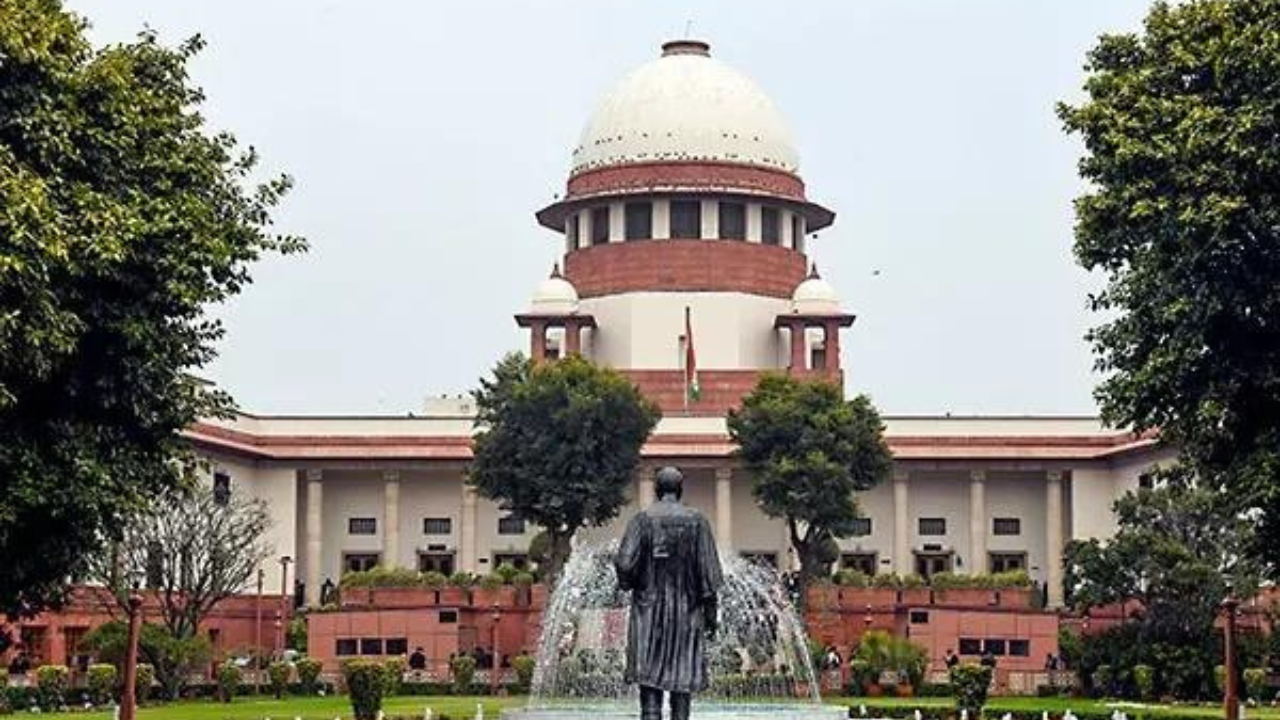
The Supreme Court of India recently took a firm stand in a marriage dispute where a woman tried to back out of a signed divorce agreement. After initially agreeing to end the marriage and accepting a financial settlement, the wife later refused to follow through with the legal process. The court decided to dissolve the marriage anyway and canceled a domestic violence case she had filed against her husband. This ruling serves as a strong reminder that legal settlements made during mediation must be respected and cannot be ignored without a valid reason.
Main Impact
This decision by the Supreme Court highlights a growing concern over the misuse of legal procedures in matrimonial fights. By stepping in to end the marriage, the court prevented one party from using the legal system to harass the other. The ruling makes it clear that once a person signs a settlement agreement in front of a mediator, they are expected to honor that commitment. This helps protect the integrity of the mediation process, which is designed to help couples resolve their issues quickly and peacefully without long, painful court battles.
Key Details
What Happened
The case involved a couple who had been fighting in court for some time. Eventually, they went through mediation, which is a process where a neutral third party helps people reach an agreement. During this process, both the husband and the wife agreed to a mutual consent divorce. As part of the deal, they settled on a specific amount of money and other terms to end their relationship. However, after the paperwork was ready, the wife changed her mind and refused to give her final consent for the divorce.
She claimed that the original agreement was not complete. She told the court that she had intentionally left out details about her jewelry and gold to help her husband avoid paying taxes. The Supreme Court found this explanation hard to believe and very troubling. The judges noted that she was trying to change the rules after the game had already been played, which they described as an abuse of the court's time and resources.
Important Numbers and Facts
The court looked at the timeline of the dispute and the behavior of both parties. It found that the wife had already accepted parts of the settlement before trying to cancel the deal. Because the marriage had reached a point where it could not be saved, the court used its special powers to grant the divorce immediately. Along with ending the marriage, the court also dismissed the domestic violence charges the wife had brought against the husband, stating that these charges were being used as a tool for pressure rather than a search for justice.
Background and Context
In India, divorce can often take many years if both parties do not agree. To speed things up, the law allows for "mutual consent divorce," where both people agree to part ways. Mediation is a key part of this, as it allows couples to talk through their problems and reach a fair deal on money, property, and children. However, a common problem arises when one person signs the agreement but later refuses to show up in court to finish the process. This leaves the other person stuck in a legal limbo, unable to move on with their life.
The Supreme Court has previously stated that if a marriage is "irretrievably broken"—meaning it is completely dead and cannot be fixed—it has the power to end it even if one person tries to block the process. This case is a practical example of the court using that power to ensure fairness and prevent one person from unfairly controlling the life of another through legal delays.
Public or Industry Reaction
Legal experts have noted that this ruling is a positive step toward reducing the backlog of cases in Indian courts. Many lawyers believe that if people are allowed to back out of mediation agreements without consequences, the entire mediation system will fail. The court's decision to call the wife's actions "egregious" shows that the judiciary is becoming less patient with people who use the law to play games. There is a general feeling that this will encourage more honest negotiations in future divorce cases, as people will know that their signatures on a settlement carry real weight.
What This Means Going Forward
Going forward, this case sets a clear example for other high courts and lower courts across the country. It signals that the "right to change one's mind" has limits, especially when a legal agreement has already been reached. For people going through a divorce, it means they must be very careful and honest during mediation. They cannot sign a deal with the secret intention of changing it later or using it as a way to hide assets from the government.
The ruling also suggests that the Supreme Court will continue to keep a close eye on domestic violence cases that are filed in the middle of divorce battles. If the court feels these cases are being used as a way to get more money or to punish a spouse after a settlement has been reached, they are likely to be dismissed. This could lead to a more balanced legal environment where genuine victims are protected, but false or strategic claims are stopped early.
Final Take
The law is meant to provide a path to resolution, not a way to keep people trapped in conflict. By ending this marriage and stopping the extra legal cases, the Supreme Court chose to prioritize finality and fairness over technical delays. This decision reinforces the idea that a person's word and their signature in a court-led mediation are binding. It protects the legal system from being used as a weapon and allows both individuals the chance to start their lives over without further unnecessary litigation.
Frequently Asked Questions
Can a person back out of a mutual consent divorce?
While the law generally allows a person to withdraw consent before the final decree, the Supreme Court can step in if it feels the withdrawal is unfair or being used to misuse the legal system.
What happens if a mediation agreement is broken?
If someone breaks a mediation agreement, the court may choose to enforce the original terms or, as seen in this case, use its powers to finalize the divorce if the marriage is beyond repair.
Why did the court cancel the domestic violence case?
The court canceled the case because it believed the wife was using the charges as a way to harass the husband after she had already agreed to a settlement, calling it an abuse of the legal process.



