
Summary
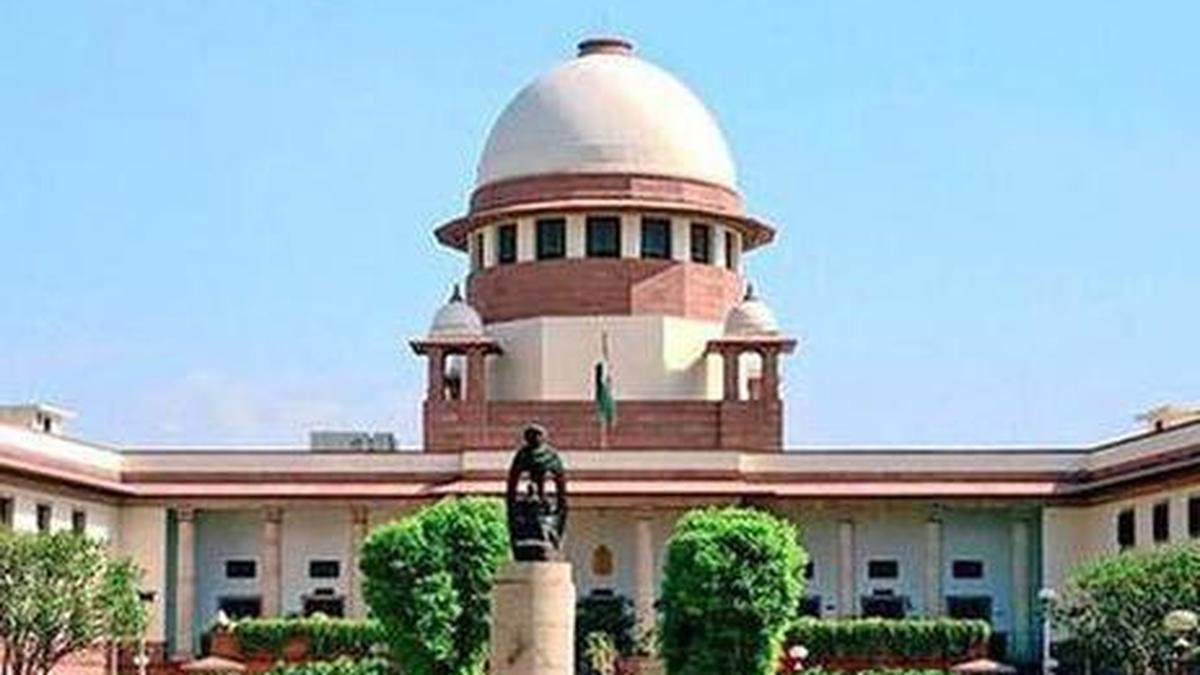
The Supreme Court of India has agreed to review a petition filed by the Central Bureau of Investigation (CBI) regarding a long-standing custodial death case. The federal agency is challenging a High Court decision that cleared four individuals who were previously linked to the death of a young man in police custody. This case, which dates back to 2005, involves allegations of severe physical abuse by law enforcement officers in Kerala. The decision by the top court to hear the plea marks a significant moment in the search for justice that has lasted nearly two decades.
Main Impact
The Supreme Court's involvement brings renewed attention to the issue of police accountability and the treatment of individuals in state care. By agreeing to hear the CBI’s appeal, the court is signaling that it will closely examine the legal reasons why the lower court chose to acquit the accused. For the family of the victim, this development provides a fresh opportunity to seek a final verdict. It also serves as a reminder to the legal system and the public that cases involving human rights violations can be revisited, even many years after the initial incident occurred.
Key Details
What Happened
The case centers on the death of Udayakumar, a 28-year-old man who was taken into police custody in September 2005. The incident took place in Thiruvananthapuram, the capital of Kerala. According to the original charges, Udayakumar was picked up by the police on suspicion of a minor crime. While he was at the police station, he was allegedly subjected to brutal torture methods. Reports from the time suggested that officers used heavy objects and physical force to extract information or punish him. Unfortunately, the injuries he sustained were so severe that he died while still in the hands of the police.
The death sparked massive public anger across the state, leading to demands for a fair investigation. Because the local police were involved in the incident, the case was eventually handed over to the CBI to ensure a neutral inquiry. Over the years, several officers were put on trial. While some were initially found guilty by a trial court, the High Court later overturned or changed those decisions, leading to the acquittals that the CBI is now fighting against in the Supreme Court.
Important Numbers and Facts
The timeline of this case is extensive, spanning over 18 years of legal battles. Udayakumar was only 28 years old at the time of his death. The current appeal involves four individuals who were cleared of charges by the High Court. The incident happened in 2005, and the CBI took over the investigation after local authorities faced criticism for how they handled the initial probe. The Supreme Court will now look at the evidence presented during the previous trials to determine if the High Court's decision to acquit the suspects was legally sound.
Background and Context
Custodial death is a term used when a person dies while being held by the police or in a jail. In India, these incidents are treated with great seriousness because the state has a duty to protect anyone it takes into custody. When a person dies in a police station, it often leads to accusations of "third-degree" methods, which is a common way of describing torture used to get confessions. The Udayakumar case is one of the most famous examples of this issue in Kerala's history.
The victim's mother, Prabhavathi Amma, became a symbol of courage as she fought for justice for her son for nearly twenty years. Her persistence helped keep the case alive in the media and the courts. This case also led to discussions about police reforms and the need for better monitoring of what happens inside police stations. The legal journey has been complex, moving from local courts to the High Court and now finally reaching the highest court in the country.
Public or Industry Reaction
Human rights activists and legal experts have closely watched this case for years. Many felt that the High Court's decision to acquit the accused was a blow to the fight against police brutality. They argue that if officers are not held responsible for deaths in custody, it sends a dangerous message that they can act without fear of punishment. On the other hand, some legal observers noted that the CBI must provide very strong evidence to overturn an acquittal in the Supreme Court. The general public in Kerala has remained supportive of the victim's family, often citing this case as a reason why police stations need better oversight and cameras.
What This Means Going Forward
The Supreme Court will now set a date to hear the arguments from both the CBI and the lawyers representing the acquitted individuals. The court will review the witness statements, medical reports, and the logic used by the High Court in its previous ruling. If the Supreme Court finds that the evidence was ignored or misinterpreted, it could reverse the acquittals or order a fresh look at the sentencing. This process will likely take several months. The outcome will be a major test for the Indian judicial system's ability to handle cases involving law enforcement officers who are accused of breaking the law they are supposed to uphold.
Final Take
The road to justice is often long and difficult, especially when it involves powerful institutions like the police. The Supreme Court’s decision to hear this plea ensures that the facts of Udayakumar’s death will be examined one more time at the highest level. It highlights the importance of persistence in legal battles and the role of federal agencies like the CBI in challenging decisions that may seem unfair. Regardless of the final result, the case remains a vital part of the conversation about human rights and the protection of citizens in custody.
Frequently Asked Questions
What is a custodial death?
A custodial death happens when a person dies while they are being held by the police, in a prison, or under the control of any government authority. These cases are strictly investigated to ensure no foul play or torture was involved.
Why is the CBI involved in this case?
The CBI was brought in because the local police were the ones accused of the crime. To make sure the investigation was fair and unbiased, the case was moved from the local authorities to the federal agency.
What happens if the Supreme Court disagrees with the High Court?
If the Supreme Court finds that the High Court made a mistake, it can cancel the acquittals. This could lead to the accused being sent back to prison or the court could issue a new judgment based on the evidence.



