
Summary
The Supreme Court of India has announced that a special nine-judge bench will begin final hearings on April 7 to address major issues regarding religious discrimination against women. This legal process will focus on whether women should be allowed to enter various religious places, including the Sabarimala temple in Kerala. The court aims to settle long-standing debates about the balance between religious traditions and the constitutional right to gender equality. This decision is expected to have a lasting impact on how different faiths manage their customs in relation to modern laws.
Main Impact
This hearing is one of the most significant legal events in recent years because it moves beyond a single temple or religion. While the Sabarimala case started the conversation, the nine-judge bench will look at broader questions that affect many different faiths. The court will decide if religious practices that exclude women are legal under the Indian Constitution. The outcome could change the rules for mosques, Parsi temples, and other places of worship across the country. It marks a critical moment where the law must choose between protecting ancient traditions and upholding the principle that all citizens are equal regardless of their gender.
Key Details
What Happened
On Monday, a bench led by Chief Justice Surya Kant, along with Justices Joymalya Bagchi and Vipul M. Pancholi, set a strict timeline for the case. The Chief Justice will form a nine-judge Constitution bench specifically for these hearings. The court has made it clear that it wants to move quickly and avoid delays. All lawyers and groups involved have been told to follow the schedule exactly. To keep things organized, the court has appointed specific lawyers to lead each side of the argument and help the judges understand the complex legal points involved.
Important Numbers and Facts
The court has laid out a clear calendar for the next few months to ensure the case stays on track. Here are the key dates and figures for the upcoming legal proceedings:
- March 14: This is the final deadline for all parties to submit their written arguments to the court.
- April 7 to April 9: The court will hear from the people who want the previous Sabarimala ruling reviewed and those who support their view.
- April 14 to April 16: The court will listen to the arguments from groups that oppose the review and want to keep the current rules in place.
- April 21: This day is set aside for any final replies or extra points that need to be made by either side.
- April 22: The hearings are expected to conclude after final statements from the court assistants, known as amici curiae.
- 9 Judges: The size of the bench is significant because a larger group of judges can set a stronger legal rule that smaller benches cannot easily change later.
Background and Context
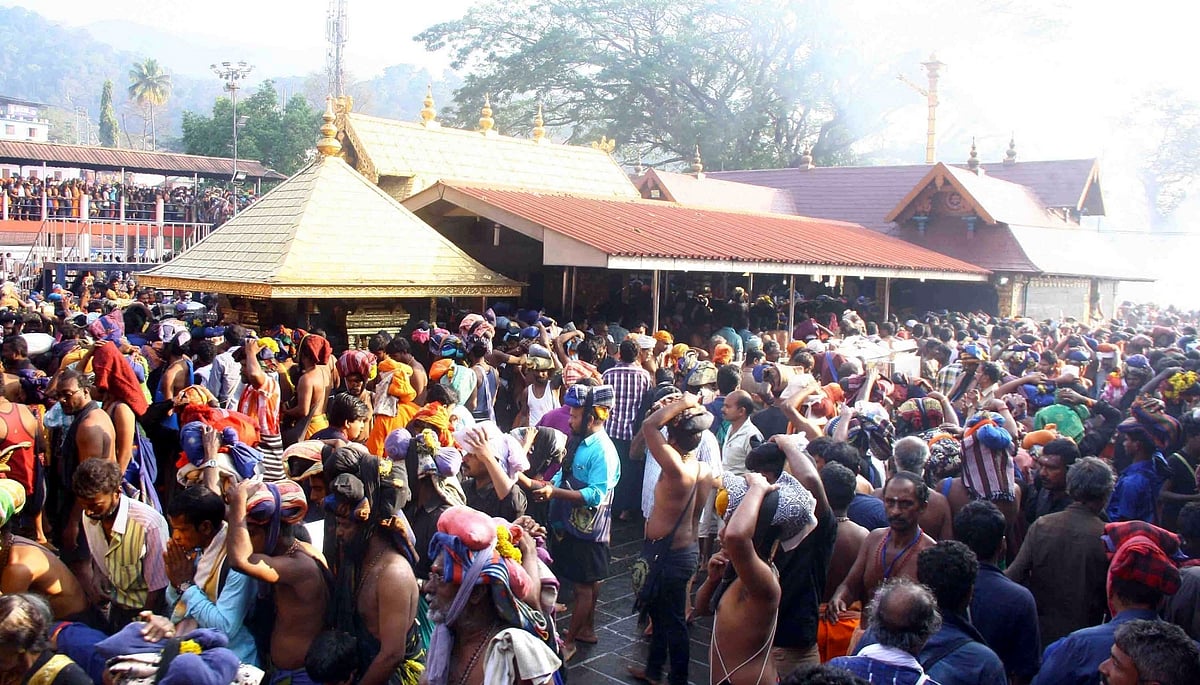
This entire legal battle began several years ago with the Sabarimala temple. In 2018, the Supreme Court ruled that women of all ages should be allowed to enter the temple, breaking a tradition that barred women of a certain age group. However, this ruling faced strong pushback from people who believed the court should not interfere with religious customs. Many petitions were filed asking the court to look at the decision again. Instead of just looking at one temple, the court decided to form a larger bench to look at the bigger picture. They want to know if any religious practice that treats men and women differently is allowed under the law. This includes rules about women entering mosques and the rights of women in the Parsi community.
Public or Industry Reaction
The central government has shared its position on the matter. Solicitor General Tushar Mehta told the court that the government supports the petitions that want to review the earlier Sabarimala verdict. This suggests that the government is open to considering the importance of religious traditions. On the other hand, many women's rights activists and legal experts believe that the 2018 ruling was a victory for equality and should not be changed. They argue that no person should be kept out of a public place of worship based on their biology. The legal community is watching closely, as the court has appointed special experts, called amici curiae, to help ensure all sides are heard fairly.
What This Means Going Forward
The next few months will be a testing time for the Indian legal system. The judges have a difficult task because the Constitution protects both the right to equality and the right to practice religion. When these two rights clash, the court must decide which one takes priority. If the court rules in favor of equality, it could lead to major changes in how temples, mosques, and churches operate. If it rules in favor of tradition, it may set a rule that religious customs are protected even if they seem unfair to some. The final decision will likely be announced shortly after the hearings end in late April, and it will serve as a guide for all future cases involving religion and gender.
Final Take
This case is about more than just a temple; it is about the identity of a modern nation trying to respect its past while moving toward a fairer future. By setting a clear schedule and involving a large group of judges, the Supreme Court is showing that it takes these concerns very seriously. The world will be watching as India decides how to balance the sacred rules of faith with the secular rules of a democracy. The outcome will define the rights of millions of women for generations to come.
Frequently Asked Questions
What is the main issue the Supreme Court is deciding?
The court is deciding if religious traditions that prevent women from entering places of worship are legal or if they violate the constitutional right to equality.
When will the final decision be made?
The final hearings are scheduled to end on April 22. While the hearings will finish then, the judges usually take some time after that to write and release their final judgment.
Does this case only affect the Sabarimala temple?
No. While it started with Sabarimala, the nine-judge bench will look at similar issues in other religions, such as women's entry into mosques and the rights of Parsi women who marry outside their community.

