
Summary
The Supreme Court of India recently expressed strong disapproval of how the West Bengal government handled school job recruitments. This legal rebuke comes at a critical time, just as the state prepares for important elections. The court's comments have provided the Bharatiya Janata Party (BJP) with powerful new arguments to use against the ruling Trinamool Congress (TMC). This development has turned the focus of the election campaign toward issues of corruption and government transparency.
Main Impact
The primary impact of the Supreme Court's remarks is a significant shift in the political narrative in West Bengal. For months, the BJP has been trying to build a case against the TMC based on claims of poor governance. The court's direct criticism acts as a validation of these claims from a neutral and highly respected authority. This makes it much harder for the state government to dismiss the allegations as simple political attacks.
For the voters, this news brings the issue of "cash-for-jobs" back to the center of their decision-making. Many families in West Bengal value government jobs highly, and news of unfairness in hiring touches a sensitive nerve. The BJP is now using this momentum to reach out to young voters and their parents, promising a cleaner system if they are elected to power. This has put the TMC in a defensive position where they must explain the administrative failures pointed out by the judges.
Key Details
What Happened
The Supreme Court was hearing a case related to the recruitment of teachers and non-teaching staff in West Bengal government-sponsored schools. The judges were looking into a previous order by the Calcutta High Court that had cancelled the jobs of about 26,000 people. While the Supreme Court decided to put a temporary hold on the mass firing, it did not hold back its criticism of the state government. The judges noted that the recruitment process appeared to be a "systemic fraud" and questioned why digital records of the exams were not properly maintained.
Important Numbers and Facts
The case involves recruitment that took place back in 2016. At that time, more than 23 lakh candidates applied for various positions in schools. Out of these, around 26,000 were eventually hired. However, investigations found that many people who got jobs had very low marks or had submitted blank answer sheets. The court found that the OMR sheets, which are the digital records of the answers, were either missing or had been tampered with. This lack of data made it nearly impossible for the court to separate the honest candidates from those who may have paid for their positions.
Background and Context
This issue matters because education and employment are the two biggest concerns for people in West Bengal. For several years, there have been protests by job seekers who claim they were cheated out of their rightful positions. Several high-ranking officials and former ministers are already in jail because of their alleged involvement in this recruitment scam. The BJP has been using these arrests to show that the TMC government is deeply involved in corruption.
In simple terms, the "cash-for-jobs" scam refers to the allegation that government positions were sold for large sums of money instead of being given to the most qualified people. This has caused a lot of anger among the youth who spent years studying for these exams. The Supreme Court's recent comments have now given this anger a legal backing, making it a central theme of the current election cycle.
Public or Industry Reaction
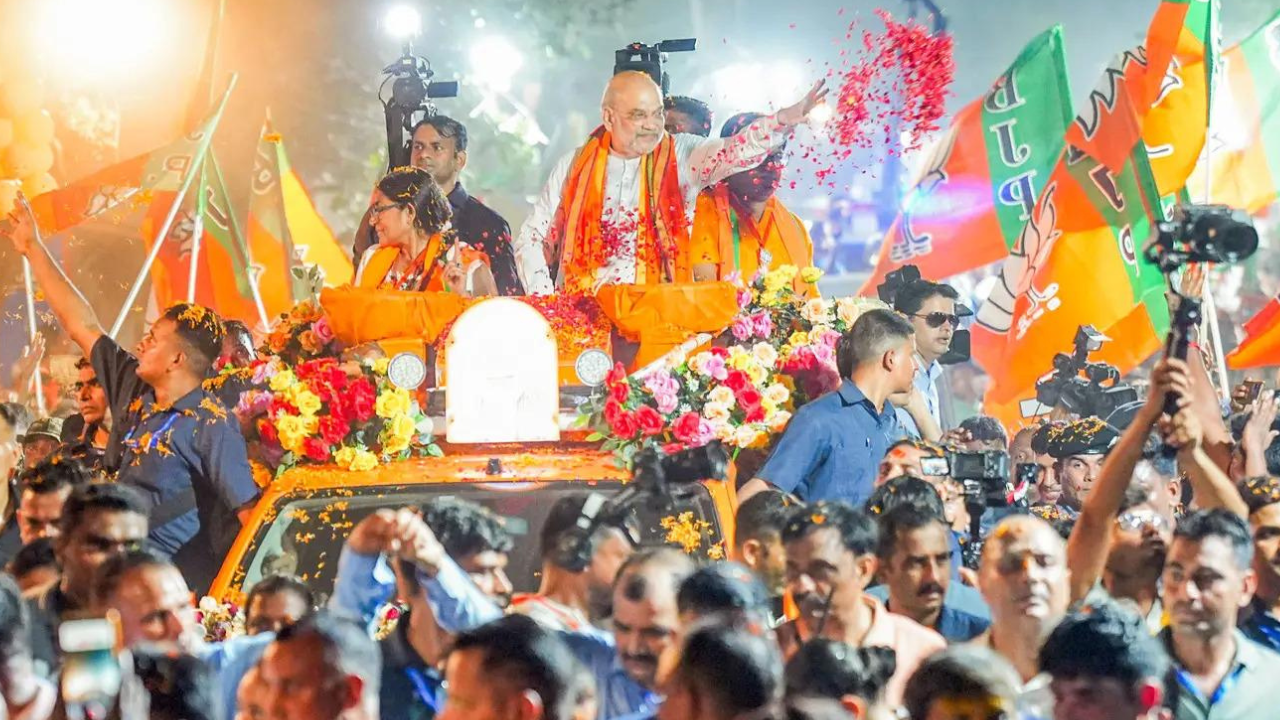
The reaction from the BJP was immediate. Top leaders, including the Prime Minister, have used their election rallies to talk about the court's "rebuke." They argue that the TMC has betrayed the trust of the people and that the "mafia" is running the state's education system. They are framing the election as a choice between corruption and a fresh start.
The TMC, on the other hand, has tried to downplay the court's verbal remarks. They emphasize that the Supreme Court stayed the cancellation of the 26,000 jobs, which they call a victory for the workers. They accuse the BJP of using the legal system to create a negative image of the state. Meanwhile, the general public remains divided. While some are happy that the truth is coming out, others are worried about the thousands of families who might lose their only source of income if the jobs are eventually cancelled for good.
What This Means Going Forward
Looking ahead, the legal battle is far from over. The Supreme Court will continue to hear the case and will eventually make a final decision on whether the 26,000 people can keep their jobs. This means the cloud of uncertainty will hang over the state government for a long time. The state will have to find a way to recreate the missing data or prove that the hiring was fair, which will be a very difficult task.
Politically, the BJP will likely keep this issue at the top of their campaign list. They believe that this "extra ammo" will help them win over undecided voters who are tired of corruption. The TMC will need to work hard to regain the trust of the youth. They might announce new, more transparent hiring rules to show they have learned from their mistakes. The final result of this struggle will be seen when the election votes are counted.
Final Take
The Supreme Court's criticism has changed the rules of the game in West Bengal. It is no longer just one party's word against another; it is now a matter of record that the highest court in the land found the state's hiring process deeply flawed. This gives the opposition a significant advantage. Whether this advantage leads to a change in government remains to be seen, but it has certainly made the path to victory much harder for the ruling party.
Frequently Asked Questions
Why did the Supreme Court criticize the West Bengal government?
The court was unhappy with the lack of transparency in the 2016 school recruitment process. The judges specifically pointed out that digital records were missing and that the hiring system seemed to be a "systemic fraud."
What happened to the 26,000 jobs that were cancelled?
The Calcutta High Court had ordered all 26,000 jobs to be cancelled. However, the Supreme Court has put a temporary stay on that order, meaning the employees can keep their jobs for now while the case continues.
How does this affect the upcoming elections?
The BJP is using the court's harsh words to attack the TMC's record on corruption. It has become a major campaign issue that could influence voters who are concerned about fair employment and government honesty.



