
Summary
The Supreme Court of India recently raised important questions about how ancient religious traditions fit into the modern world. The court asked whether it is reasonable to expect a person of faith to follow every old practice in today's society. This discussion happened during a legal case where the rules of a temple were being challenged. The outcome of this debate could change how religious freedom and individual rights are balanced in the future.
Main Impact
This case is significant because it looks at the clash between long-standing customs and modern legal standards. If the court decides that ancient rules must give way to modern values, it could change how many religious sites across the country operate. This affects not just one temple, but the way all religious institutions manage their traditions. It forces a conversation on whether a religion can stay the same as the world around it changes.
Key Details
What Happened
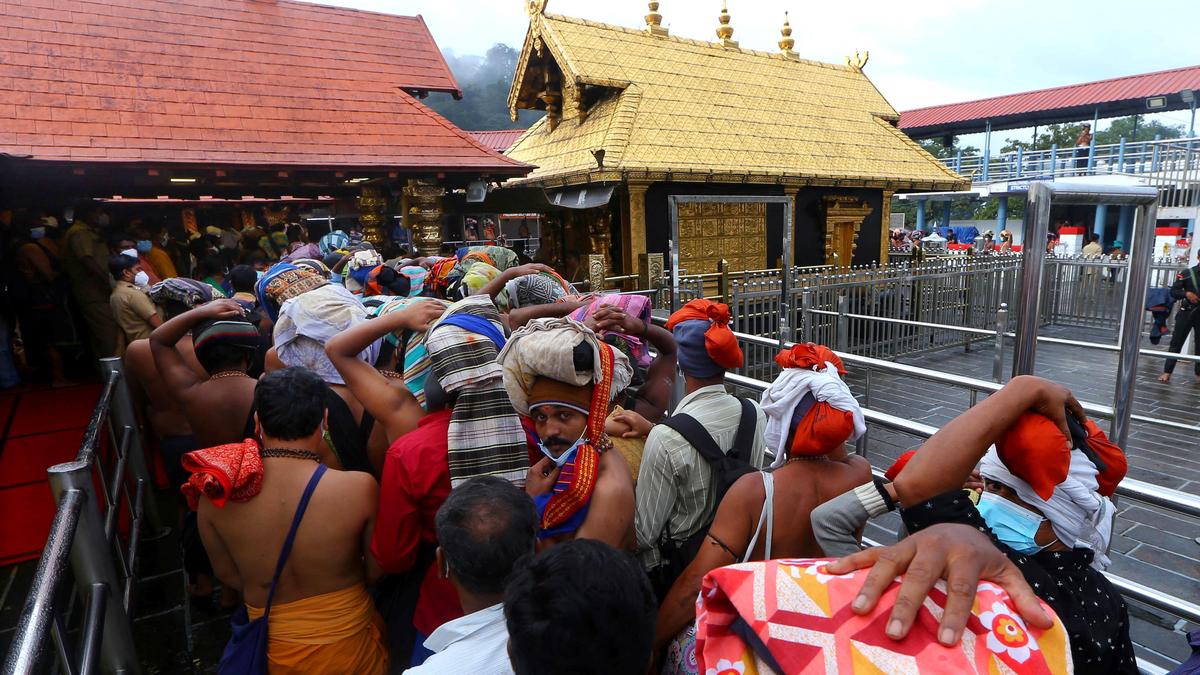
During the court proceedings, the judges spoke about the difficulty of keeping old traditions alive in a modern setting. They questioned if a believer should be forced to stick to practices that were created hundreds or even thousands of years ago. On the other side, the lawyer representing the temple's chief priest, known as the tantri, argued that these traditions are essential. The lawyer stated that the right to enter a temple is not a general right to go anywhere. Instead, it is a right to enter for worship, which means the person must follow the specific rules and customs of that temple.
Important Numbers and Facts
The legal debate focuses on specific parts of the Indian Constitution. Article 25 gives people the right to practice their religion, while Article 26 gives religious groups the right to manage their own affairs. The court is looking at whether these rights allow a temple to keep certain people out or enforce strict rules that might seem unfair today. There are thousands of temples in India, each with its own set of unique rituals. The court must decide which of these rituals are "essential" to the faith and which are just old habits that can be changed.
Background and Context
For many years, there has been a struggle between those who want to protect religious heritage and those who want to ensure equality for everyone. Some temples have rules about who can enter based on age, gender, or other factors. These rules are often based on stories or traditions that have been passed down for generations. In the past, the Supreme Court has stepped in to open temples to groups that were previously excluded. However, religious leaders often argue that the court should not interfere in matters of faith. They believe that a temple is a sacred space with its own laws, and those who enter should respect those laws without question.
Public or Industry Reaction
The reaction to the court's questions has been split. Many social activists believe that no tradition should be used to treat people unfairly. They argue that if a practice hurts someone's dignity, it should be stopped, no matter how old it is. On the other hand, many religious groups and devotees feel that the court is overstepping its boundaries. They worry that if the government starts changing religious rules, the unique identity of their faith will be lost. They feel that a believer chooses to follow these rules out of love and respect for the deity, not because they are being forced.
What This Means Going Forward
The court's final decision will set a major example for future cases. If the court rules that modern standards must always come first, we might see a wave of changes in how religious sites are run. This could lead to more people being allowed into spaces that were once restricted. However, it could also lead to more tension between the legal system and religious communities. The government and the courts will have to be very careful to respect faith while also protecting the rights of every citizen. The next steps will involve more hearings where both sides will present evidence about which practices are truly necessary for the religion to exist.
Final Take
The core of this issue is finding a middle ground between the past and the present. While society moves forward with new ideas about equality and fairness, religion often looks backward to preserve its roots. The Supreme Court has the difficult job of deciding if a person can be a modern citizen and a traditional believer at the same time. This case reminds us that laws are not just about rules on paper, but about how we live together in a world that is constantly changing.
Frequently Asked Questions
Why is the Supreme Court questioning religious traditions?
The court is trying to see if old religious rules conflict with the modern rights of citizens, such as the right to equality and dignity. They want to know if these traditions are still relevant today.
What is the argument of the temple priests?
The priests argue that temples are special places with their own rules. They believe that if you want to worship there, you must follow the traditions that have been in place for a long time to keep the temple holy.
Can the law change how a religion is practiced?
Yes, in some cases, the law can step in if a religious practice goes against the basic rights guaranteed by the Constitution. However, the court usually tries to avoid changing things that are considered "essential" to the faith.



