
Summary
The Supreme Court of India has officially ended the criminal case against Ali Khan Mahmudabad, a professor at Ashoka University. The case was based on social media posts he made regarding a topic called ‘Operation Sindoor.’ The legal proceedings stopped after the Haryana government told the court it would not give the necessary permission to prosecute the professor. This decision follows a suggestion from the court to show kindness and treat the situation as a unique event.
Main Impact
This ruling provides significant legal relief to the academic, who has been facing these charges for nearly a year. By quashing the case, the Supreme Court has signaled that not every controversial social media post needs to end in a full criminal trial. The decision highlights a balance between law enforcement and the use of "magnanimity," which means being generous or forgiving toward someone. It also sets a reminder for public figures and academics to be very careful with their words on the internet, as the court noted that written text can easily be misunderstood during sensitive times.
Key Details
What Happened
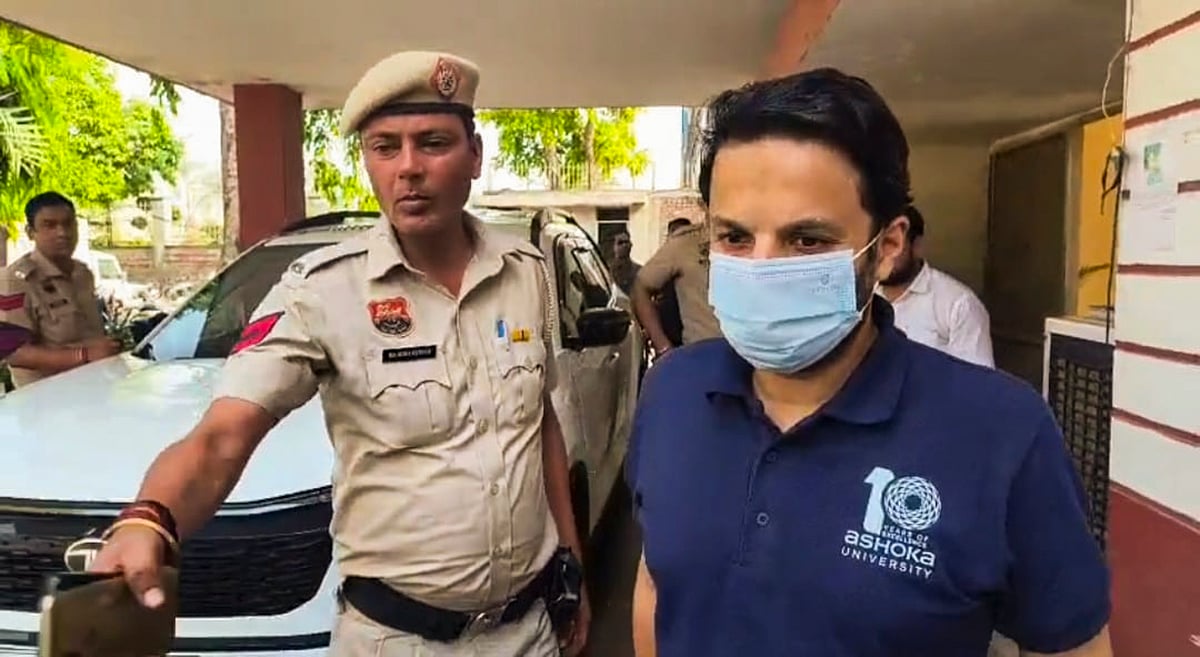
The legal trouble for Professor Mahmudabad began in May 2025. He was arrested by the Haryana Police because of his online comments about ‘Operation Sindoor.’ The authorities claimed that his posts could hurt the unity and strength of the country. However, for a person to be officially tried for certain crimes in India, the government must first give a "sanction," which is a formal type of permission. In this case, the Haryana government decided to withhold that permission, effectively stopping the trial from moving forward.
Important Numbers and Facts
The timeline of this case involves several key dates and groups. The professor was first taken into custody on May 18, 2025. Two separate First Information Reports (FIRs) were filed against him at the Rai police station in the Sonipat district. One complaint came from Renu Bhatia, who leads the Haryana State Commission for Women, and another came from a local village leader, known as a sarpanch. To look into the matter, the court even set up a Special Investigation Team (SIT) made up of three high-ranking police officers. This team was asked to study the specific language used in two of the professor's posts to see if there were hidden meanings or harmful messages.
Background and Context
This case matters because it touches on the limits of free speech and how the government monitors social media. The term "dog whistling" was used during the hearings. This is a technical term that describes using coded language that sounds normal to most people but carries a specific, often controversial, message for a certain group. The court wanted to know if the professor was using his academic background to hide harmful ideas in his writing. Because the professor works at a well-known institution like Ashoka University, his actions and the government's response received a lot of attention from the public and other educators.
Public or Industry Reaction
The Haryana government, represented by Additional Solicitor General S.V. Raju, told the court that they chose to follow the judges' earlier advice. The court had suggested in January that the state should consider dropping the matter as a "one-time gesture." While the government agreed to stop the prosecution, they did ask the court to give the professor a firm warning. They wanted to ensure he does not post similar content in the future. Chief Justice Surya Kant agreed that caution is necessary. He mentioned that when things in society are tense, people must be extra careful about what they say or write because words can be interpreted in many different ways.
What This Means Going Forward
The end of this case means the professor will no longer have to attend court hearings or worry about a potential prison sentence for these specific posts. For the wider public, it serves as a lesson in digital responsibility. The government’s decision not to prosecute shows that they may sometimes listen to the court’s calls for leniency. However, the involvement of a Special Investigation Team shows that the authorities are willing to use high-level resources to analyze social media content. Moving forward, academics and influencers will likely be more cautious about using complex language that could be seen as a threat to national security or social harmony.
Final Take
The Supreme Court's decision to close this case brings a quiet end to a very public dispute. It shows that while the law is strict, there is room for the government to step back when encouraged by the judiciary. The professor is now free from these legal charges, but the warning from the Chief Justice remains a clear message to everyone using social media: choose your words wisely, as the line between academic expression and legal trouble can be very thin.
Frequently Asked Questions
Why was the case against the professor dropped?
The case was dropped because the Haryana government refused to give the legal permission, or sanction, required to prosecute him. They did this following a suggestion from the Supreme Court to show kindness in this specific instance.
What is a Special Investigation Team (SIT)?
An SIT is a group of experts, usually senior police officers, appointed to investigate a specific and complicated case. In this situation, they were tasked with analyzing the language used in the professor's social media posts.
What did the Chief Justice advise the professor?
Chief Justice Surya Kant advised the professor to be more careful and prudent when sharing his views publicly. He noted that during sensitive times, written words can be misunderstood or seen as more harmful than intended.

