
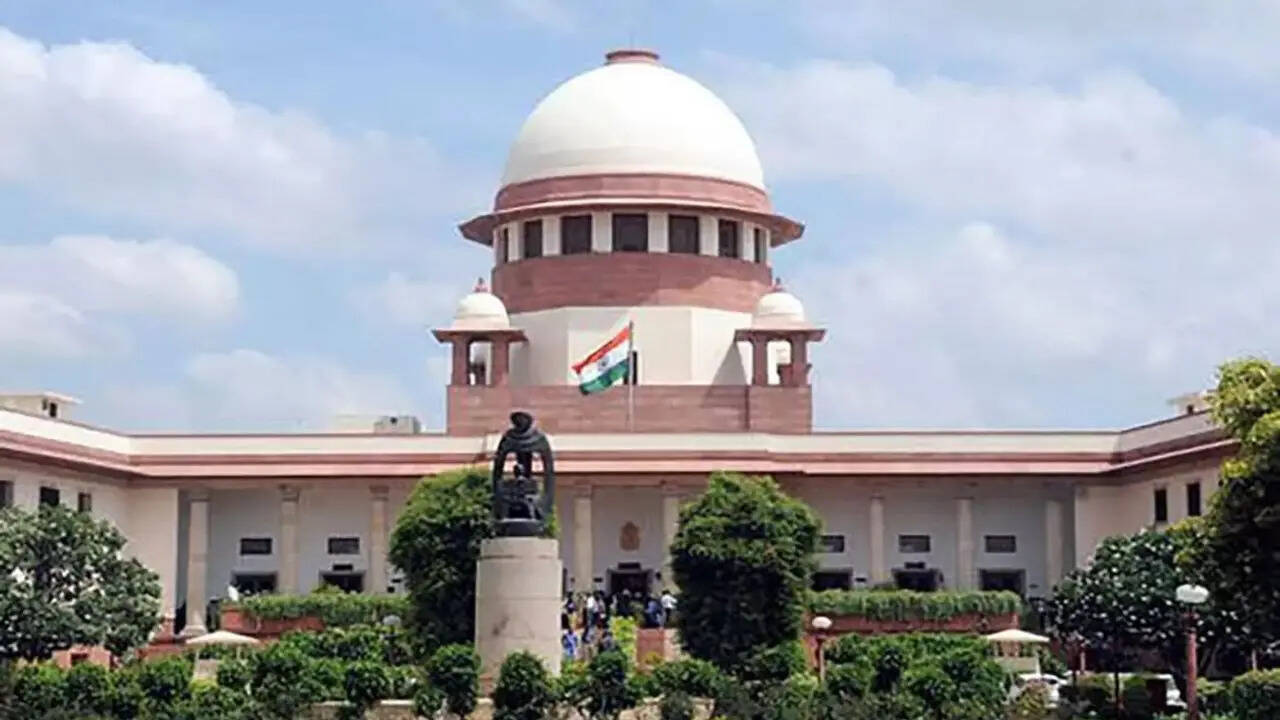
Summary
The Supreme Court of India has delivered a landmark judgment in favor of a former Indian Air Force (IAF) pilot who was dismissed from service 33 years ago. The court ruled that the pilot’s removal in 1991 was unfair and lacked a proper legal process. By overturning the original dismissal, the court has ordered that the officer be given an honorable farewell, restoring his dignity and granting him the financial benefits he earned during his service. This decision ends a three-decade-long legal battle for justice and recognition.
Main Impact
The primary impact of this ruling is the restoration of the pilot’s professional reputation. For over 30 years, he lived with the shame of a "dishonorable" exit from the military. The Supreme Court’s intervention changes his official record from "dismissed" to "retired," which allows him to be seen as a respected veteran. Beyond the emotional relief, the ruling ensures that the former officer receives his pension and other retirement benefits, which had been denied to him since his removal.
Key Details
What Happened
The case dates back to 1991 when the pilot, a Flight Lieutenant, was suddenly removed from his position. The Indian Air Force did not hold a full trial, known as a court-martial, to prove any wrongdoing. Instead, they used a specific administrative power to terminate his service. The pilot challenged this move, arguing that he was never given a fair chance to defend himself against the allegations made against him. After moving through various lower courts and tribunals, the case finally reached the highest court in the country.
Important Numbers and Facts
The legal struggle lasted for exactly 33 years, a period longer than many military careers. The Supreme Court bench, led by Justice P.S. Narasimha and Justice Sandeep Mehta, noted that the authorities failed to follow the rules of natural justice. As part of the judgment, the court ordered the government to pay the former pilot ₹5 lakh as compensation for the long legal delay and the mental stress he endured. Additionally, his pension will be calculated as if he had retired normally from the service on the date of his original dismissal.
Background and Context
In the military, a dismissal is the most severe form of punishment. It not only ends a person's career but also strips them of their rank, their right to wear the uniform, and their pension. Usually, such a punishment follows a strict legal process where evidence is presented and the accused can speak. In this specific case, the IAF used a shortcut. They used the "pleasure of the President" doctrine, which allows for the removal of an officer without a full trial if it is deemed necessary for the service. However, the Supreme Court has often stated that this power cannot be used to bypass fairness or to hide a lack of evidence.
Public or Industry Reaction
Legal experts and military veterans have welcomed the decision. Many believe it reinforces the idea that no institution, including the armed forces, is above the law when it comes to the rights of an individual. The reaction from the veteran community highlights a common concern: the need for transparency in disciplinary actions. While the military requires strict discipline, this ruling serves as a reminder that discipline must be balanced with fairness. Supporters of the pilot have expressed relief that his long wait for a "clean name" has finally ended.
What This Means Going Forward
This judgment sets a strong precedent for future cases involving military dismissals. It sends a clear message to the Ministry of Defence and the heads of the armed forces that administrative powers should not be used to avoid the hard work of a proper investigation. If an officer is to be removed for misconduct, the authorities must prove the charges through the established legal channels. For other veterans who may feel they were treated unfairly, this ruling offers hope that the judicial system will eventually correct errors, even if it takes decades.
Final Take
The Supreme Court’s decision is a victory for the rule of law over arbitrary power. While 33 years is a very long time to wait for justice, the court has ensured that the former pilot can finally hold his head high. By granting him an honorable exit and the financial security he deserves, the court has corrected a historical wrong. This case serves as a reminder that true honor in the military is not just about following orders, but also about ensuring that those who serve are treated with the respect and fairness they have earned.
Frequently Asked Questions
Why was the pilot dismissed in the first place?
The pilot was dismissed in 1991 based on allegations of misconduct. However, the Air Force did not hold a formal court-martial to prove these claims, leading the Supreme Court to rule the dismissal unfair.
What did the Supreme Court order the government to do?
The court ordered that the pilot's status be changed from "dismissed" to "retired." It also ordered the government to pay him ₹5 lakh in costs and provide him with all his pension benefits.
How long did the legal battle last?
The legal battle lasted for 33 years. The pilot was removed from service in 1991, and the final Supreme Court ruling in his favor was delivered in 2024.



