
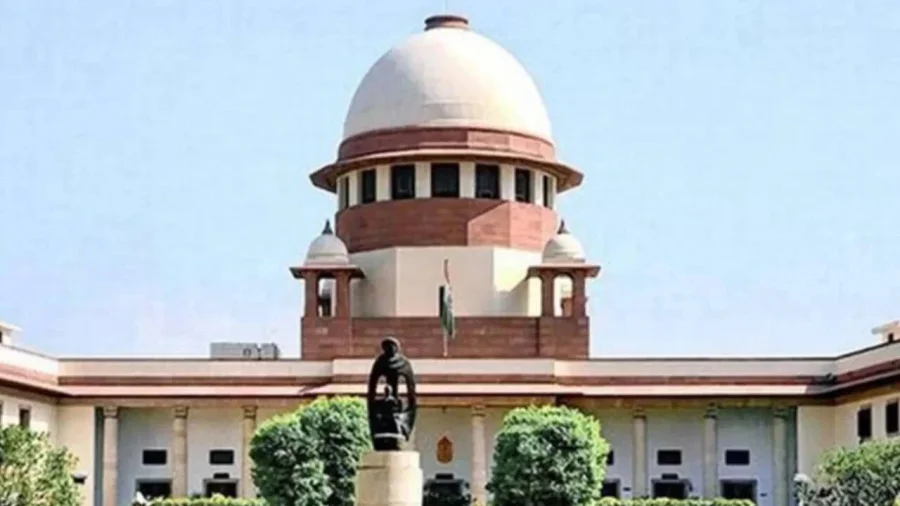
The Supreme Court of India, in a significant observation, has sent a clear message to state governments: bail orders granted by High Courts should not be routinely challenged before the apex court. A bench led by the Chief Justice of India (CJI) dismissed an appeal by the Chhattisgarh government that sought to overturn a High Court's decision to grant bail to an accused.
What Did the Supreme Court Say About Challenging HC Bail?
The CJI-led bench, while rejecting the Chhattisgarh government's petition, made a pointed observation that bail granted by a High Court should not be a matter for the Supreme Court to routinely review. The bench's remarks indicate a strong judicial stance against what it perceives as an unnecessary burdening of the top court with such appeals.
Why This Ruling Matters for Bail Jurisprudence in India
This decision is a significant development in Indian criminal law. It reinforces the principle that High Courts are the final arbiters on bail matters in most cases. The Supreme Court's intervention is meant only for cases involving grave legal questions or a miscarriage of justice. This ruling could deter state governments from filing appeals against every High Court bail order, thereby streamlining the legal process.
The Chhattisgarh Government's Appeal: What Was the Case?
The Chhattisgarh government had approached the Supreme Court challenging a bail order passed by the Chhattisgarh High Court. While the specific details of the case were not the focus of the bench's ruling, the core issue was the state's attempt to overturn a High Court's discretionary decision to grant bail. The Supreme Court's dismissal of the appeal effectively upholds the High Court's original order.
How This Affects Accused Persons and the Legal System
For individuals seeking bail, this ruling provides a layer of finality to High Court decisions. It means that once a High Court grants bail, the state cannot easily drag the matter to the Supreme Court unless there are extraordinary reasons. This reduces the legal uncertainty and prolonged incarceration that can result from repeated challenges by the prosecution.
Official Response from the Supreme Court Bench
The bench, comprising the CJI and other judges, was clear in its disapproval. The court's oral remarks, as reported, indicated that the practice of challenging High Court bail orders in the Supreme Court is not welcome. The dismissal of the appeal without detailed legal arguments signals the court's firm view on this procedural issue.
Analysis: A Check on State Governments' Litigation Strategy
Legal experts view this as a necessary check on the tendency of state governments to litigate aggressively in bail matters. By refusing to entertain such appeals, the Supreme Court is conserving its own time for more substantial constitutional and legal questions. It also sends a message that the High Court's discretion in bail matters is to be respected, barring exceptional circumstances.
Confirmed Facts vs What Remains Unclear
Confirmed: The CJI-led bench dismissed the Chhattisgarh government's appeal against a High Court bail order. The bench observed that bail by HCs should not be challenged in the SC. Unclear: The specific details of the underlying criminal case and the identity of the accused are not part of the reported ruling. The exact wording of the court's order is not available in the public domain.
Risks and Balanced View
While the ruling is a strong statement, it does not create an absolute bar. The Supreme Court can still entertain appeals against High Court bail orders in cases involving serious national security concerns, large-scale fraud, or where the High Court has clearly erred in law. The ruling is a guideline against routine challenges, not a complete prohibition.
Wider Trend: Supreme Court's Focus on Judicial Efficiency
This ruling is part of a broader trend where the Supreme Court has been emphasizing judicial discipline and efficiency. The court has repeatedly expressed concern over the large number of pending cases and has sought to discourage frivolous litigation. This decision aligns with that goal by limiting the scope of appeals in bail matters.
Practical Guidance for Litigants and Lawyers
For lawyers representing state governments, this ruling means they must now demonstrate exceptional grounds to challenge a High Court bail order in the Supreme Court. For defense lawyers, it provides a strong argument that a High Court's bail decision is final and should not be lightly disturbed. Accused persons can have greater confidence in the finality of a High Court bail order.
Future Outlook: What Could Happen Next
The ruling is likely to be cited in future cases where state governments attempt to challenge High Court bail orders. It may lead to a reduction in the number of such appeals reaching the Supreme Court. However, the exact impact will depend on how strictly the court enforces this principle in subsequent cases.
Our Take
This is a welcome and pragmatic ruling from the Supreme Court. It protects the sanctity of High Court decisions and prevents the apex court from being clogged with routine bail matters. The observation that bail by High Courts should not be challenged in the Supreme Court is a strong signal that will strengthen the federal structure of the judiciary and provide much-needed finality in bail proceedings. It is a win for judicial efficiency and for the rights of accused persons.
Frequently Asked Questions
Can a state government still challenge a High Court bail order in the Supreme Court?
Yes, but only in exceptional circumstances where there is a clear legal error or a miscarriage of justice. The Supreme Court has made it clear that routine challenges are not acceptable.
What does this ruling mean for an accused person?
It means that once a High Court grants you bail, the state cannot easily take that decision to the Supreme Court. This provides greater certainty and finality to the bail order.
Does this ruling apply to all High Courts in India?
Yes, the observation was made by a Supreme Court bench and sets a precedent for all High Courts. The principle that High Court bail orders should not be routinely challenged applies nationwide.
What is the main reason behind the Supreme Court's decision?
The main reason is to prevent the Supreme Court from being burdened with routine bail appeals and to respect the discretionary power of High Courts in bail matters.



