
Summary
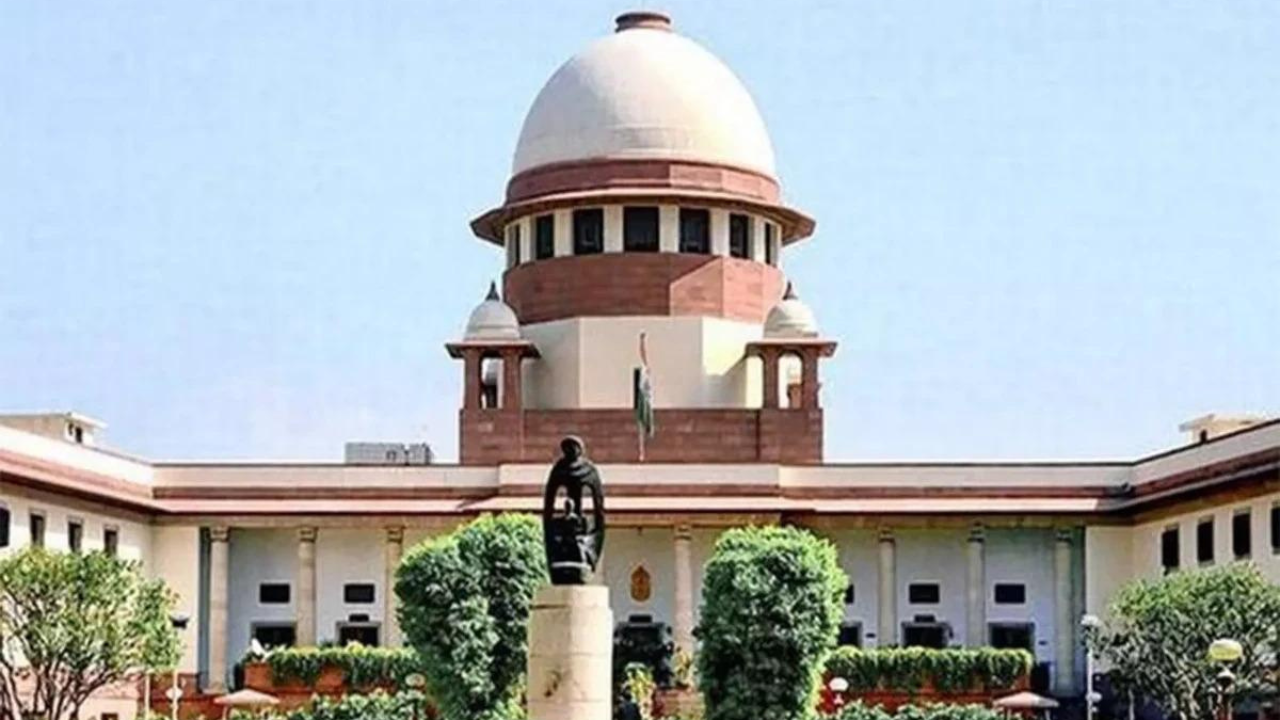
The Supreme Court of India has taken a major step to improve road safety across the country. The court has issued a strict order to ban heavy vehicles from parking on national highways and to stop the growth of illegal buildings along the roadside. These new rules are designed to reduce the high number of accidents and deaths that happen on major roads every year. Local authorities have been given a 60-day deadline to start following these instructions and clear the roads of dangers.
Main Impact
This ruling is expected to change how highways are managed in India. By removing parked trucks and illegal shops from the sides of the road, the court aims to make travel faster and much safer. The biggest impact will be on the "blackspots," which are specific areas where accidents happen most often. With better surveillance and clearer roads, drivers will have better visibility, and there will be fewer obstacles that cause fatal crashes. This move puts direct responsibility on local officials to ensure that the law is followed on the ground.
Key Details
What Happened
The Supreme Court expressed deep concern over the rising number of road deaths, calling some highways "corridors of peril." To fix this, the court has ordered a complete ban on heavy vehicles, such as large trucks and trailers, parking on the shoulders of national highways. Often, these vehicles park in the dark without proper lights, leading to high-speed collisions. Additionally, the court has banned any new roadside structures or encroachments. This means people cannot build shops, houses, or walls right next to the highway, as these can distract drivers or block the path for emergency services.
Important Numbers and Facts
The court has set a strict timeline of 60 days for state governments and highway authorities to implement these changes. District Magistrates, who are the top officials in each local area, will be personally responsible for overseeing inspections. They must ensure that no illegal parking or building is happening in their regions. Furthermore, special task forces will be created to monitor road safety. These teams will focus on identifying and fixing "blackspots"—stretches of road that have seen a high number of accidents over the past few years. The goal is to use data and technology, like cameras and sensors, to keep a constant watch on traffic flow.
Background and Context
India has one of the highest rates of road accidents in the world. Every year, thousands of people lose their lives on national highways. Many of these deaths are considered avoidable. In the past, laws existed to prevent illegal parking and building, but they were often not enforced strictly. Trucks would park for hours or even days on the side of the road because there were not enough proper rest areas. At the same time, local businesses would often set up stalls right on the edge of the highway to catch the attention of travelers, creating dangerous bottlenecks. The Supreme Court's intervention is a response to the slow progress made by the government in making these roads truly safe for the public.
Public or Industry Reaction
Road safety experts have welcomed the court's decision, calling it a necessary move to save lives. They believe that clear roads are the first step toward modernizing the transport system. However, some members of the trucking industry have raised concerns. They point out that truck drivers often have no choice but to park on the highway because there are not enough official truck terminals or rest stops with basic facilities like food and toilets. While they agree with the safety goals, they are calling on the government to build more authorized parking zones quickly so that drivers have a legal place to stop and rest.
What This Means Going Forward
In the coming months, travelers can expect to see more police activity and inspections on major highways. The 60-day deadline means that local governments must act fast to remove existing illegal structures and move parked trucks. If these orders are followed correctly, it could lead to a significant drop in nighttime accidents. Going forward, the government will likely need to invest more in technology, such as high-definition cameras and automated fine systems, to catch people who break these rules. There will also be a greater focus on designing roads that naturally prevent illegal parking, such as using barriers or better lighting.
Final Take
The Supreme Court has made it clear that the safety of citizens is more important than the convenience of illegal parking or roadside businesses. By setting a firm deadline and holding local officials accountable, the court is trying to turn dangerous highways into safe paths for everyone. Success will depend on whether the authorities can maintain these standards over the long term and whether they provide enough legal rest areas for the millions of truck drivers who keep the country's economy moving.
Frequently Asked Questions
Why did the Supreme Court ban parking on highways?
The court banned parking because heavy vehicles parked on the side of the road often cause serious accidents, especially at night when visibility is low. Clearing the roads makes them safer for all drivers.
Who is responsible for making sure these rules are followed?
District Magistrates and local task forces are responsible for inspecting the highways and ensuring that no illegal parking or building takes place in their areas.
What are highway "blackspots"?
Blackspots are specific locations on a road where accidents have happened frequently in the past. The new safety norms require authorities to identify these areas and fix the problems that cause crashes there.



