
Summary
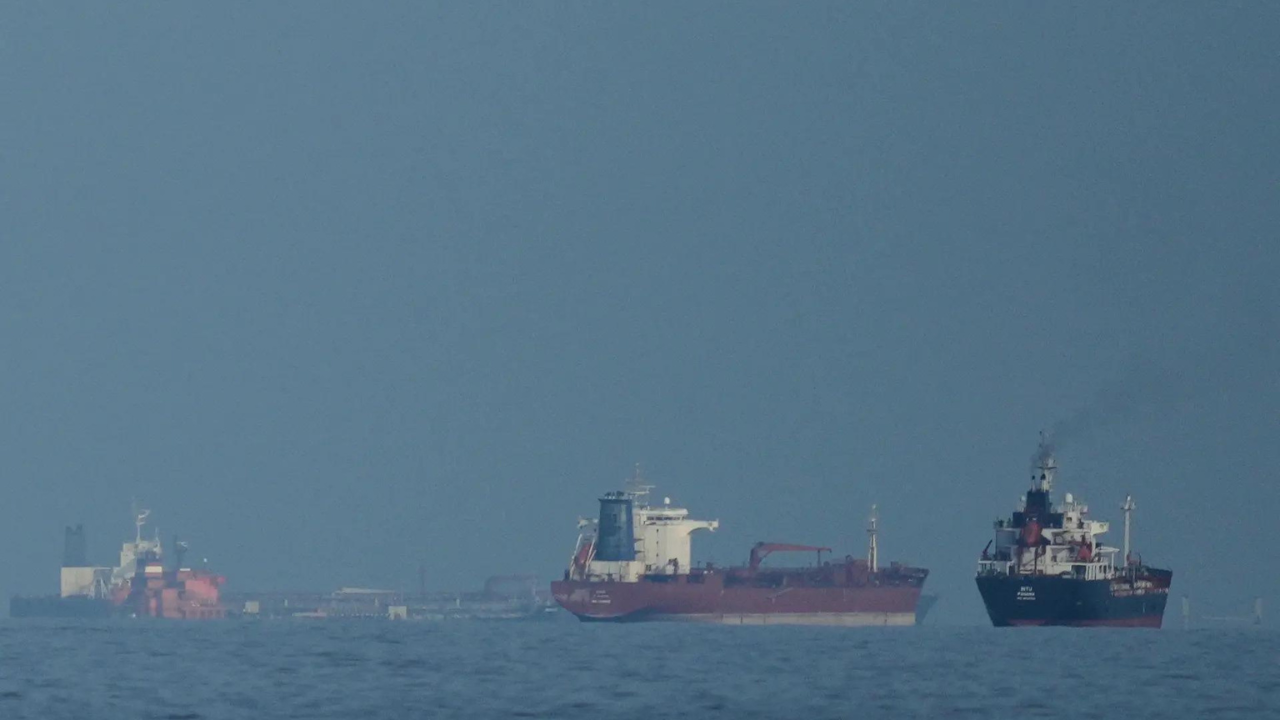
Iran has announced that its military forces now have complete control over the Strait of Hormuz. This narrow waterway is one of the most vital paths for global trade, especially for the transport of oil. The Iranian Revolutionary Guard Corps (IRGC) issued a stern warning, stating that any enemy ships entering the area would be in great danger. This move comes at a time of high tension following a naval blockade order from the United States. While Iran says civilian ships can still pass, the new rules and military presence have caused deep concern across the globe.
Main Impact
The immediate impact of this announcement is a sharp increase in regional tension. Because the Strait of Hormuz is a "chokepoint" for the world's energy supply, any threat to close it or control it strictly can lead to higher oil prices. When oil prices go up, the cost of shipping goods, driving cars, and heating homes also rises for people everywhere. Beyond the economy, there is a high risk of a military mistake. With Iranian forces claiming full control and the U.S. military nearby, even a small misunderstanding could lead to a much larger conflict that would be hard to stop.
Key Details
What Happened
The Iranian Revolutionary Guard Corps, which is an elite branch of Iran’s military, made a public statement about their dominance in the region. They claimed that they are now the primary authority in the Strait of Hormuz. They used very strong language, warning that their enemies would become trapped in a "deadly vortex" if they tried to challenge this control. This statement is seen as a direct response to recent moves by the United States to limit Iran's ability to move goods by sea. While Iran mentioned that civilian traffic is still allowed, they noted that these ships must follow specific rules that have not been fully explained yet.
Important Numbers and Facts
The Strait of Hormuz is a small but mighty stretch of water. At its narrowest point, it is only about 21 miles wide. Despite its small size, more than 20 million barrels of oil pass through it every single day. This accounts for about 20% of the world's total oil consumption. The current situation is made worse by the fact that recent talks to find a peaceful solution in the region have stopped. Without a working ceasefire or a clear agreement, both sides are moving more ships and weapons into the area, making the situation more dangerous by the hour.
Background and Context
To understand why this matters, you have to look at the map. The Strait of Hormuz connects the Persian Gulf with the rest of the world's oceans. Most of the oil produced by countries like Saudi Arabia, Iraq, and Kuwait must go through this narrow gap to reach buyers in Asia, Europe, and North America. For decades, Iran and the United States have argued over who should have power in these waters. Iran often uses its location to threaten the global oil supply when it feels pressured by international sanctions or military threats. This latest claim of "full control" is one of the most direct challenges to international shipping rules seen in recent years.
Public or Industry Reaction
The shipping industry is on high alert. Companies that own large oil tankers are worried about the safety of their crews and their cargo. Many are already seeing the cost of insurance for their ships go up. If it becomes too expensive or too dangerous to sail through the strait, ships might have to take much longer routes, which adds time and cost to everything we buy. Governments around the world are calling for both Iran and the U.S. to show restraint. They want the waterway to remain open to everyone, as required by international law. However, with diplomatic talks failing, many experts fear that words will soon turn into actions.
What This Means Going Forward
In the coming days, the world will be watching to see how the United States and its allies respond. If the U.S. Navy tries to ignore Iran's claims and sail through the strait, it could lead to a direct fight. On the other hand, if Iran starts stopping and searching civilian ships, it could lead to a global economic crisis. The next steps depend on whether leaders can get back to the talking table. For now, the risk of a "deadly vortex" of war remains high, and the stability of the global energy market is at risk. Everyone from government officials to everyday consumers will feel the effects of what happens in this small strip of water.
Final Take
The claim of full control over the Strait of Hormuz is a bold move that puts the entire world on edge. It is not just a local military issue; it is a global economic threat. As long as this vital path for oil is used as a tool for political power, the risk of conflict will stay high. The world needs a peaceful way to keep trade moving, but right now, that goal seems further away than ever.
Frequently Asked Questions
Why is the Strait of Hormuz so important?
It is the main path for oil leaving the Middle East. About 20% of the world's oil passes through this narrow waterway every day, making it essential for the global economy.
What did Iran mean by a "deadly vortex"?
This is a warning to foreign military ships. Iran is saying that any enemy vessel that tries to enter the strait without permission will face a powerful and dangerous military response.
Can civilian ships still use the strait?
Iran says civilian ships are allowed to pass, but they must follow certain regulations. However, there is a lot of concern that these rules could be used to delay or block ships from certain countries.

