Summary
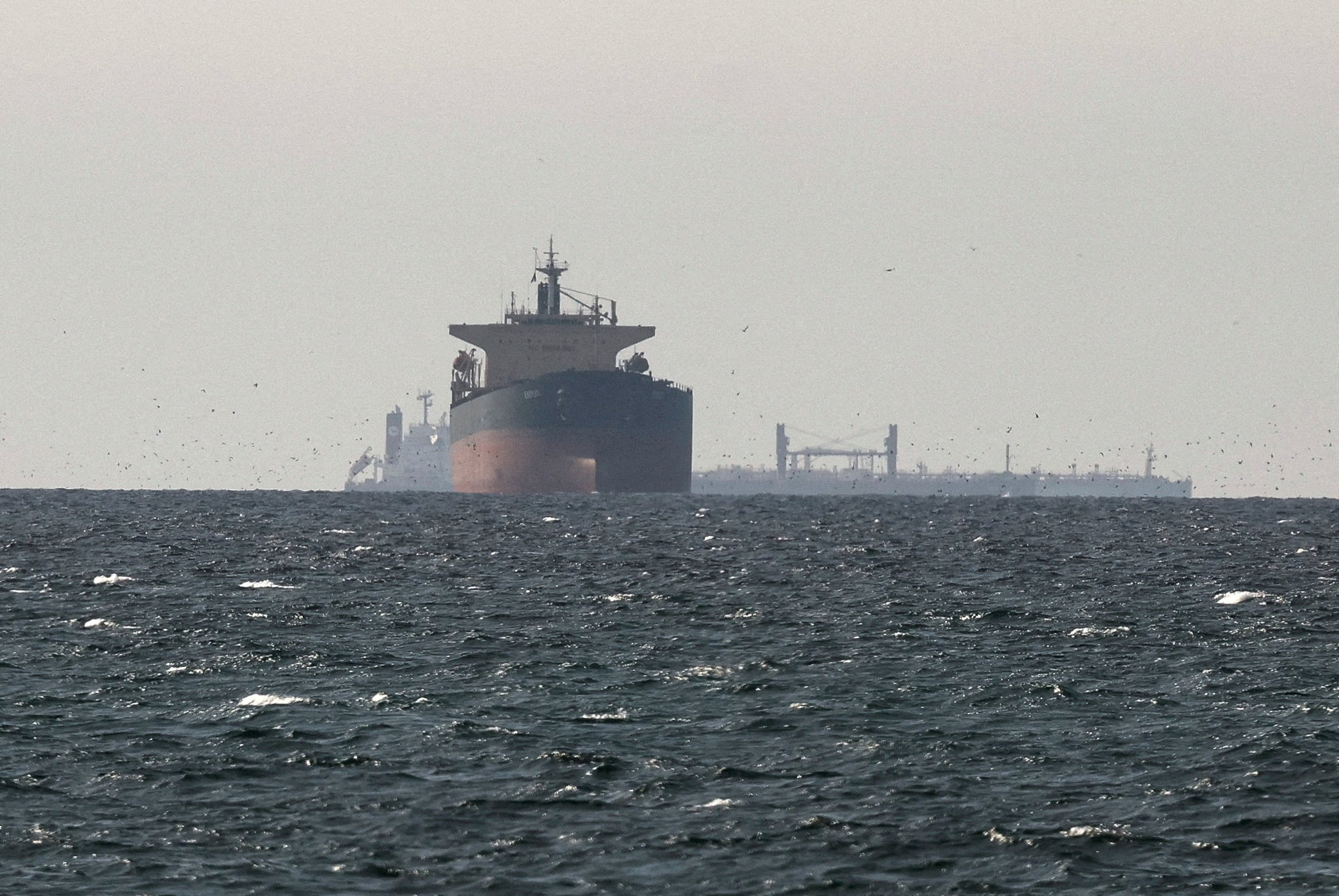
Iran has started to allow certain ships to pass through the Strait of Hormuz, but it is not opening the path for everyone. The Iranian government is choosing which vessels can move based on their destination and which country they belong to. This waterway is one of the most important places in the world for the oil trade, and Iran is using its control over the area to put pressure on the United States and Israel. While some ships going to friendly nations can now pass, the threat to global energy supplies remains very high.
Main Impact
The biggest impact of this move is on the global energy market and the price of fuel. About 20% of the world's oil and gas travels through this narrow stretch of water. When Iran blocks the path, it makes oil more expensive for everyone, including people buying gas for their cars. By allowing some ships to pass while stopping others, Iran is showing that it has the power to decide who gets energy and who does not. This creates a lot of uncertainty for businesses and governments around the world.
Key Details
What Happened
In recent days, Iranian authorities have changed how they manage the Strait of Hormuz. Instead of a total blockade, they are now using a "case-by-case" system. They are looking at where a ship is coming from and where it is going before letting it through. Most of the ships being allowed to pass are oil tankers and cargo vessels heading toward Asian countries. This selective opening is a way for Iran to maintain its economy while still showing strength against its political rivals.
Important Numbers and Facts
The Strait of Hormuz is a vital link for the global economy. Here are the key facts regarding its importance:
- 20% of Global Oil: One-fifth of the world's liquid energy supplies pass through this single point every day.
- Key Destinations: The ships currently being allowed to pass are mostly heading to China, India, and Pakistan.
- Regional Trade: Ships traveling to or from other countries along the Persian Gulf are also being given permission to move in some cases.
- Strategic Narrowness: At its narrowest point, the shipping lanes in the strait are only about two miles wide, making it very easy to block.
Background and Context
To understand why this matters, you have to look at the map. The Strait of Hormuz is a small gap of water between Iran and Oman. It is the only way for ships to get out of the Persian Gulf and into the open ocean. Countries like Saudi Arabia, Kuwait, and the United Arab Emirates rely on this path to sell their oil to the rest of the world. If the strait is closed, the world loses a massive amount of its energy supply almost instantly.
Iran has often used the threat of closing the strait when it is angry with the United States or Israel. Because Iran has a long coastline along the strait, it can use its navy and missiles to stop ships. In the past, this has led to "tanker wars" where ships were attacked or seized. The current situation is part of a larger conflict over security and politics in the Middle East.
Public or Industry Reaction
The shipping industry is very worried about these developments. Companies that own these large ships are now facing much higher costs for insurance. Because the area is considered a "war zone" or a high-risk area, it costs a lot more money to protect the cargo. Some shipping companies are choosing to take much longer routes around Africa to avoid the Middle East entirely, which makes goods more expensive and takes more time.
Leaders in countries like China and India have been talking with Iran to make sure their energy supplies are not cut off. Meanwhile, the United States and its allies have increased their naval presence in the area to try and keep the shipping lanes safe. However, as long as Iran controls the coastline, the risk of a sudden closure remains a major concern for world leaders.
What This Means Going Forward
In the coming weeks, we will see if Iran continues to let more ships through or if they will tighten their grip again. If the conflict with Israel or the United States gets worse, Iran might decide to close the strait completely. This would be a "nuclear option" for the global economy, likely causing a worldwide financial crisis. On the other hand, if Iran continues to let ships from China and India pass, it might be trying to keep its friends happy while only hurting its enemies. We should expect more military ships from many different countries to enter the region to watch over the tankers.
Final Take
Iran is using the Strait of Hormuz as a powerful tool for diplomacy and war. By letting some ships pass, they are showing that they can be reasonable with their allies, but by keeping the threat alive, they are reminding the world of their power. The global economy is currently tied to this small stretch of water, and as long as tensions remain high, the price of energy will stay unpredictable. The world is watching closely to see if this vital path stays open or becomes the center of a much larger fight.
Frequently Asked Questions
Why is the Strait of Hormuz so important?
It is the most important oil transit point in the world. About 20% of the world's oil passes through it, meaning any trouble there can cause gas prices to rise globally.
Which countries are being allowed to send ships through?
Currently, Iran is mostly allowing ships that are heading to or coming from countries like China, India, and Pakistan, as well as some local neighbors in the Persian Gulf.
What happens if the strait is completely closed?
A total closure would stop a huge portion of the world's oil supply. This would likely lead to a massive increase in energy prices and could cause a global economic recession.