
Summary
Tensions in the Middle East have reached a new high as Indian commercial ships face increasing danger in the Strait of Hormuz. Recently, a tenth Indian-flagged vessel successfully navigated through this risky waterway, but the journey was marked by fear. This success comes shortly after the Iranian Revolutionary Guard Corps (IRGC) opened fire on two other ships in the same area. These events highlight the growing threats to international trade and the safety of Indian sailors working in one of the world's busiest shipping lanes.
Main Impact
The primary impact of these incidents is the immediate threat to maritime security and global energy supplies. The Strait of Hormuz is a vital path for oil and gas coming from the Persian Gulf. When military forces fire on commercial vessels, it creates a sense of panic in the shipping industry. For India, this is a major concern because many of its ships carry essential goods and energy resources. The risk of physical damage to ships and harm to crew members has forced the Indian government and the Navy to increase their presence and monitoring in the region.
Key Details
What Happened
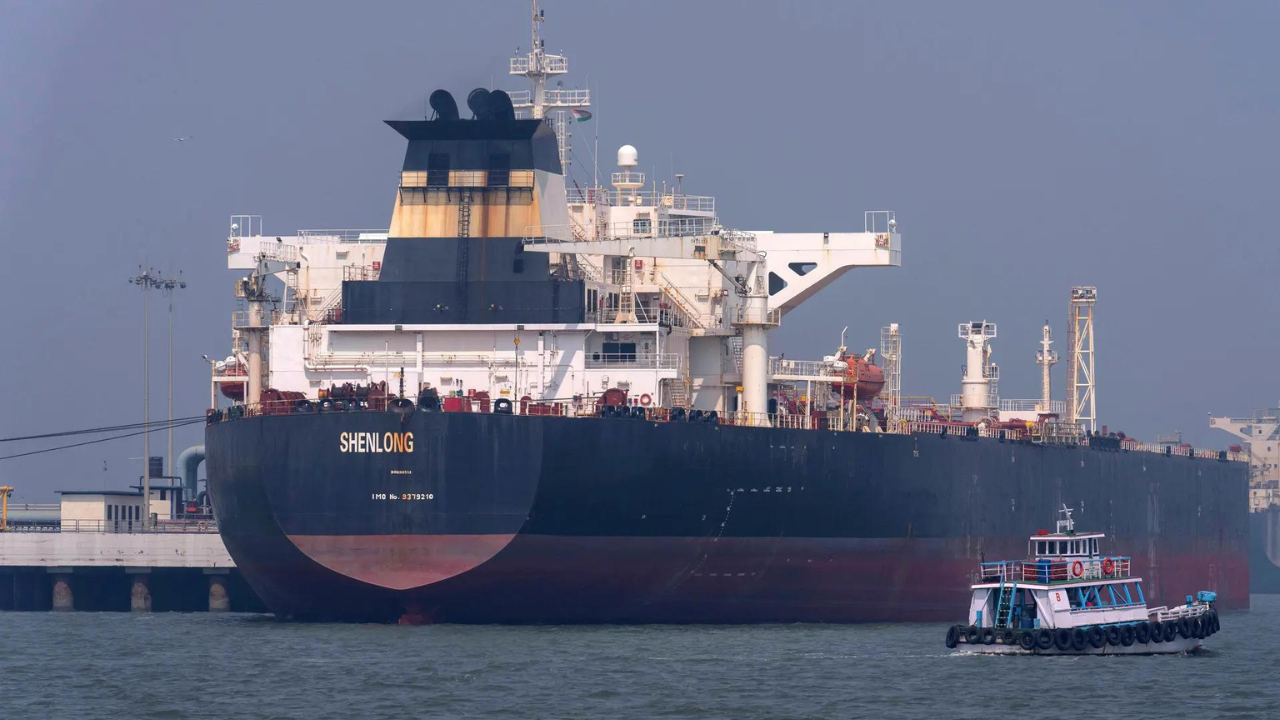
In recent days, the Strait of Hormuz has become a site of military action against civilian trade. The Iranian Revolutionary Guard Corps, which is an elite branch of Iran’s military, reportedly used weapons against two ships. While the specific damage to those vessels is being assessed, the act of firing on merchant ships is a serious escalation. Amidst this violence, a tenth Indian-flagged ship managed to cross the strait safely. This ship was part of a group of vessels that the Indian authorities have been tracking closely to ensure they do not get caught in the crossfire.
Important Numbers and Facts
The Strait of Hormuz is very narrow, with some parts being only 21 miles wide. About 20% of the world's total oil consumption passes through this small gap every day. So far, ten Indian-flagged ships have been recorded making this dangerous crossing under heightened security protocols. The IRGC has a history of patrolling these waters, but the recent decision to fire upon ships marks a shift toward more aggressive tactics. Indian officials are now keeping a 24-hour watch on all domestic vessels entering the Persian Gulf region.
Background and Context
To understand why this matters, one must look at the geography and politics of the region. The Strait of Hormuz sits between Oman and Iran. It connects the Persian Gulf with the Gulf of Oman and the Arabian Sea. Because it is the only way to move oil by sea from many of the world's biggest producers, it is often called a "chokepoint." If this path is blocked or becomes too dangerous to use, oil prices across the globe could skyrocket.
India relies heavily on this route for its energy needs. A large portion of India’s crude oil imports comes through this strait. Furthermore, thousands of Indian citizens work as sailors on these ships. When the IRGC targets vessels, it is not just a political move; it is a direct threat to the lives of workers and the stability of the Indian economy. In the past, the Indian Navy has launched operations like "Operation Sankalp" to provide safety and a sense of security to Indian ships in these waters.
Public or Industry Reaction
The shipping industry has reacted with deep concern. Maritime insurance companies are likely to raise their rates for any ship traveling through the Persian Gulf, which makes the cost of goods more expensive for everyone. Shipping unions have called for better protection for crews, noting that sailors should not have to fear for their lives while doing their jobs. In India, trade experts are worried that continued instability will lead to delays in cargo arrivals. The Indian government has remained in constant contact with regional powers to try and lower the tension, but the situation remains unpredictable.
What This Means Going Forward
Looking ahead, we can expect a much larger military presence in the waters near Iran. The Indian Navy may need to provide more direct escorts for merchant ships rather than just monitoring them from a distance. There is also a high chance of diplomatic talks between New Delhi and Tehran to ensure that Indian vessels are not targeted. If the firing continues, international shipping companies might look for alternative routes, though few options are as efficient as the Strait of Hormuz. The safety of the next group of ships will depend on whether regional tensions can be cooled down through dialogue.
Final Take
The successful crossing of the tenth Indian ship is a small relief, but the attacks on other vessels show that the danger is far from over. Protecting these sea lanes is essential for the global economy and the safety of thousands of workers. As long as military forces continue to use commercial shipping lanes as a place for conflict, the risk to human life and trade will remain at a critical level. India must continue to balance its diplomatic ties while ensuring its ships and citizens are protected at sea.
Frequently Asked Questions
Why is the Strait of Hormuz so important?
It is the most important oil transit point in the world. A huge amount of the world's oil and natural gas passes through this narrow waterway every day.
What does "Indian-flagged" mean?
An Indian-flagged ship is a vessel that is officially registered in India. It must follow Indian laws and is protected by the Indian government while at sea.
Who are the IRGC?
The IRGC stands for the Iranian Revolutionary Guard Corps. They are a major branch of the Iranian military that handles internal and external security, including patrolling the waters near Iran.



